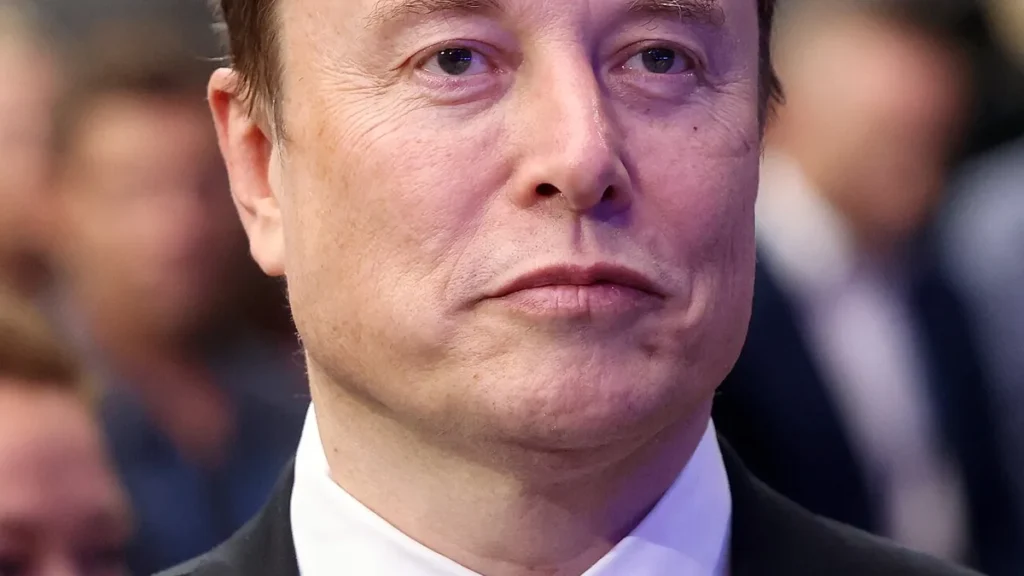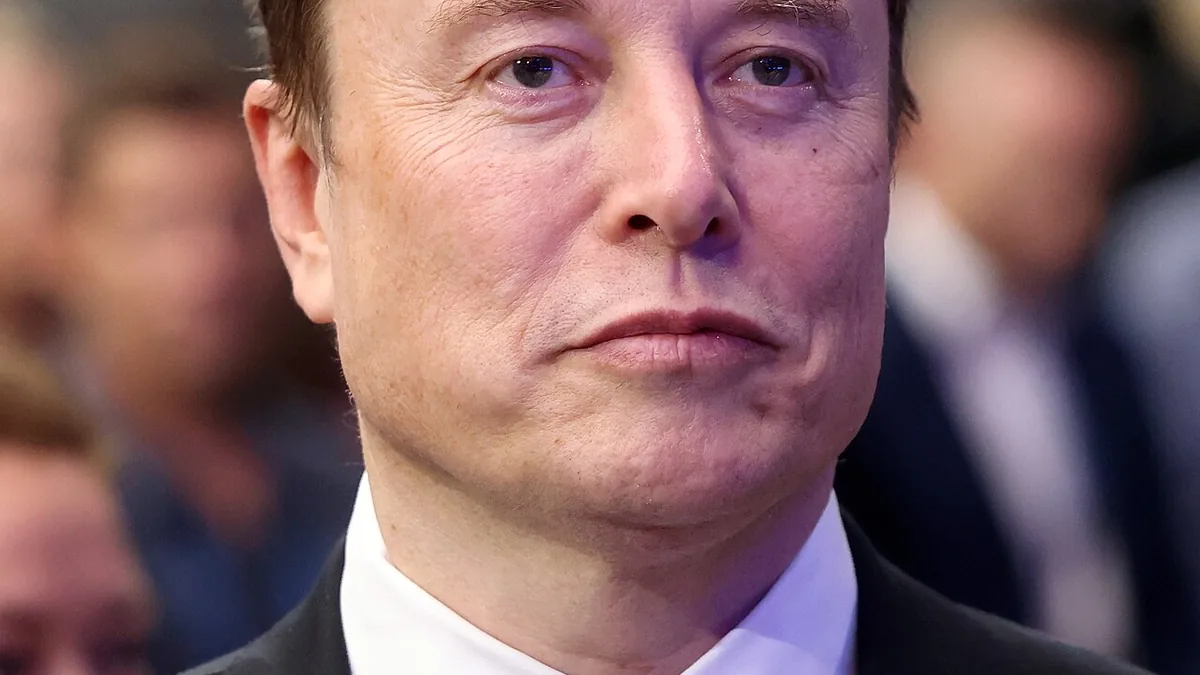
Elon Musk, Tesla and SpaceX chief executive, said Wednesday that he felt “pretty foolish” about spending a record $446 million on US midterm elections. His massive spending failed to prevent sweeping defeats for the Republicans he backed. Speaking virtually at the New York Times DealBook Summit, Musk acknowledged the limits of money in American politics.
Musk was the election’s top individual donor. He gave $446 million specifically to support President Donald Trump’s party, particularly in Texas where many of his firms are based. According to the nonpartisan campaign finance watchdog OpenSecrets, Musk’s total spending reached at least $445 million on federal races. He also spent tens of millions more through dark-money nonprofit groups and millions on state and local races. Despite this record spending, Democrats won control of both chambers of Congress, flipping swing seats and making historic gains in regions controlled by Republicans for decades. Of the 37 Republican House candidates Musk backed, only three won.
Musk acknowledged his regret over the investment. He said, “I feel pretty foolish about having spent so much money and not seeing much for it. Probably, if I could rewind the clock, I would have spent less money.” He continued, “It certainly shows that American elections are not just about money. You can put a lot of money into an election and have an effect that is relatively minor.” In Texas, Musk-backed Attorney General Ken Paxton benefited from about $158 million in spending linked to Musk but lost to Democrat James Talarico.
From MAGA Champion to Political Skeptic
Musk’s comments mark a dramatic reversal from his rhetoric in 2024. At a Trump rally in 2024, Musk joked, “I’m not just Maga, I’m dark, gothic Maga.” Now, he stated he was “not Maga.” He said, “I’m not sure what Maga means. If that means sort of blind adherence to a set of policies by the Republican Party, then I certainly don’t have that.” This shift reflects his disillusionment with the results of his massive financial commitment.
Democrats have indicated plans to investigate Musk’s work and influence. They aim to examine his role in the Department of Government Efficiency, known as DOGE, and his companies’ dealings with the federal government. The investigations could scrutinize whether his political spending influenced policy decisions or created conflicts of interest. Separately, Musk commented on Nvidia CEO Jensen Huang, saying he is irreplaceable and comparing his departure to dropping Michael Jordan. Nvidia’s board has ruled out reinstating Huang.
Musk’s public regret about his spending emphasizes a larger reality about American elections. While wealthy individuals can spend unprecedented sums, money alone does not guarantee political outcomes. His experience spending $446 million and backing candidates who largely lost shows that voter preferences, campaign messaging, and broader political currents matter more than donor wealth. Musk’s shift from enthusiastic Republican backer to skeptical donor reflects this hard-learned lesson about the limits of financial power in shaping electoral results.