The leaders called it a peace declaration. In reality, the declaration contains no commitments to reduce or limit nuclear arsenals, and it makes no mention of the wars in Ukraine or Iran. US President Donald Trump, Chinese President Xi Jinping and Russian President Vladimir Putin stood together in China under the banner of peace. Yet their joint text offered vague hopes rather than firm commitments. It sidestepped active combat zones entirely.
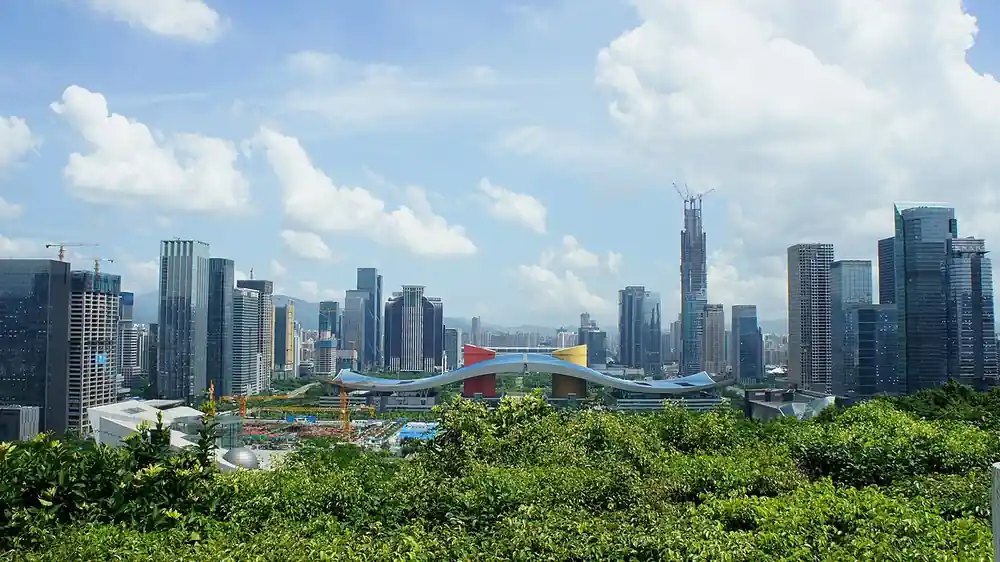
The three leaders held the first-ever three-way trilateral summit on Thursday 19 November 2026. The talks took place on the sidelines of the APEC Leaders’ Summit in Shenzhen, China. They met for over an hour at the Kylin Villa. The property sits in wooded hills beside a lake. All three leaders described the meeting as historic.
Trump told reporters: “We are really making history.” He also stated: “No peace was ever forged by declining opportunities for engagement.”
Xi remarked: “History tells us that when major powers live in harmony, the world is at peace.” He added: “When major powers clash, the world falls into turmoil.”
Their joint declaration outlined four main points. It promised dialogue on nuclear risks. It pledged to advance United Nations reforms. It promised to increase fuel product supplies for all nations. Finally, it agreed to uphold immunity for state officials in international courts.
The agreement creates no binding arms-control measures. No country agreed to cap or shrink its stockpile of warheads. Because of this, experts view the meeting primarily as a symbolic display. The gathering allowed the three rival powers to project stability without making hard policy concessions. Whether these talks alter global diplomacy remains unproven. The real test will come when the leaders face concrete negotiations at upcoming international gatherings, particularly the G20 summit.
What the declaration says and what it leaves out
The joint text includes a familiar warning. It reaffirmed that “a nuclear war cannot be won and must never be fought”.
Beyond that phrase, the leaders agreed to “conduct a dialogue on reducing nuclear risks and preventing proliferation of nuclear weapons”. They set no time frame for these discussions. The declaration contained no commitments to reduce nuclear arsenals.
Instead, the leaders focused on other diplomatic goals. They pledged to advance reforms of the United Nations. They promised to increase supplies of fuel products for all countries. They also agreed to uphold the immunity enjoyed by state officials in international courts.
That legal protection is a sensitive subject. The clause follows earlier action from The Hague. More than three years ago, the International Criminal Court issued arrest warrants for Putin and other Russian officials. Those warrants cited alleged war crimes during Russia’s invasion of Ukraine. Moscow rejects the allegations.
What the statement omitted was equally striking. The declaration made no mention of Russia’s war in Ukraine. It also completely bypassed the conflict with Iran.
The summit coincided with separate diplomatic talks in Europe. The gathering ended hours before another high-stakes meeting. Ukrainian officials and European allies were due to meet Trump’s envoys Steve Witkoff and Jared Kushner in Berlin.
Economic friction also loomed over the talks in China. Trump and Xi met after an extension of their trade truce this month. That extension arrived amid tension over reports of Nvidia chips diverted to China through Southeast Asia.
Nuclear arms realities and sharp international reaction
The meeting occurred against a backdrop of expiring arms treaties. The last major arms accord between Washington and Moscow, New START, expired in February. Trump wants a new, improved, modernised agreement that includes China.
Bringing Beijing to the bargaining table is difficult because of wide disparities. China is estimated to possess more than 600 nuclear warheads. By comparison, over 5,000 warheads are believed to be held by each of the other two countries.
At a news conference following the summit, Putin conceded that the declaration did not set ambitious goals. He said nobody would be forced to comply with its decisions.
Arms control experts expressed immediate skepticism about the vague text. Daryl Kimball, executive director of the US-based Arms Control Association, noted the reaffirmation was positive. However, he urged real action: “We need much more than rhetoric. We need action on disarmament diplomacy.”
Foreign policy analysts examined the political advantages gained from the meeting. Jonathan Eyal is international director at the Royal United Services Institute (RUSI) in London. He observed: “The pushback against international norms and courts is the most interesting aspect.” He added: “The big powers dictate, the small powers suffer.”
Eyal argued that Putin had secured the clearest benefit. He said the Russian leader “gained credibility and escape from pariah status”. In contrast, Eyal said Trump “gained a photo opportunity he didn’t need.”
Officials in Kyiv reacted with defiance. Ukrainian Foreign Minister Andriy Sybiha posted on X that Shenzhen had not proven to be a latter-day “Yalta of Putin’s dreams”. Sybiha added: “Time for him to wake up, get real, and end the war he can never win.”
Did the APEC summit produce nuclear arms limits? In short, no. The joint declaration includes no commitments to reduce or limit nuclear arsenals. While the three leaders agreed to hold future dialogues on nuclear risks, they set no deadlines or inspection rules. Existing stockpiles remain entirely unrestricted by the agreement.
The Shenzhen summit brought three rival leaders together under a shared declaration, but delivered no binding accords on arms or active conflicts. Attention now shifts across the Pacific. Next test: Trump hosts the G20 summit at his golf resort in Florida in a few weeks. There, he is expected to meet Xi again and could cross paths with Putin.