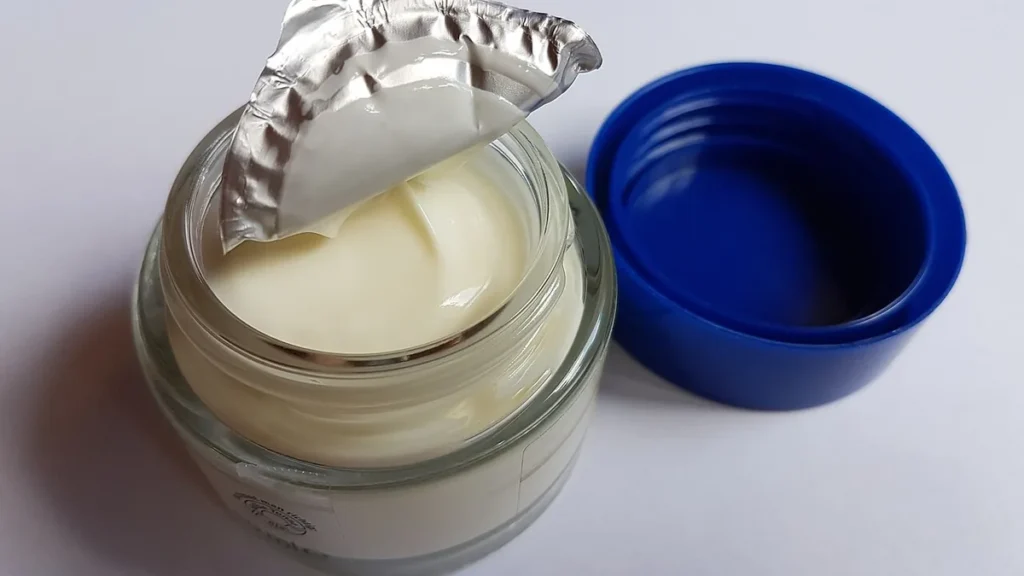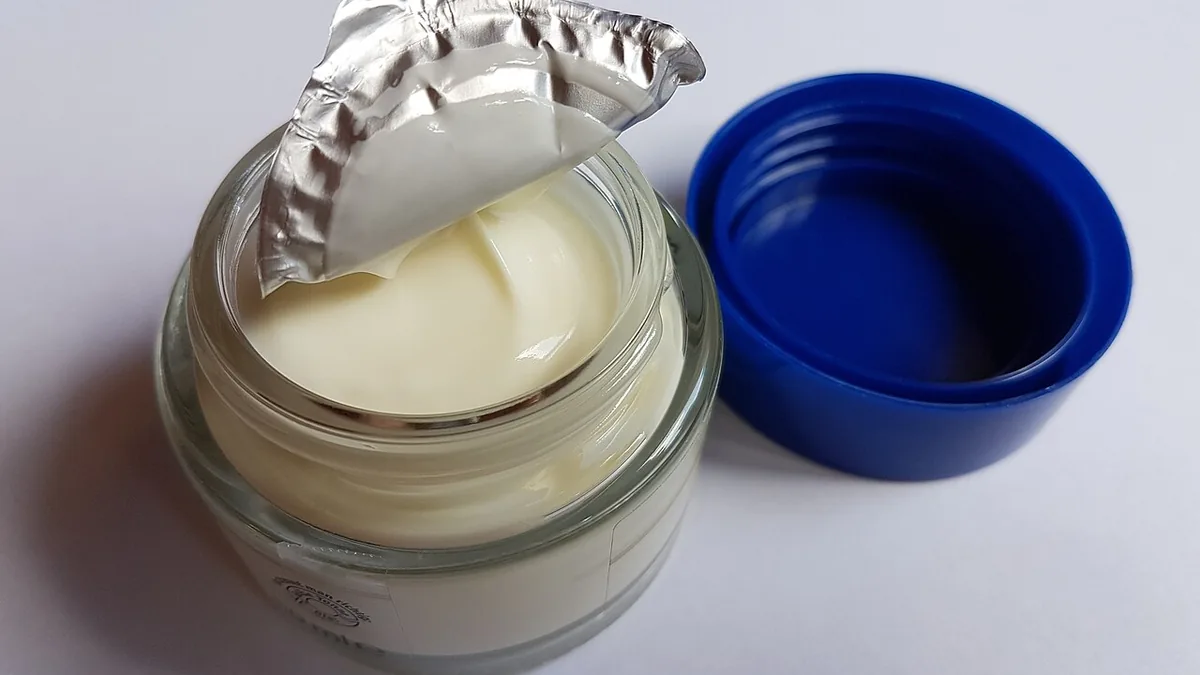
A 17-year-old girl in Kerala developed severe kidney disease after using a fairness cream she bought online, according to doctors who treated her in Malappuram district. Laboratory tests found excessive mercury in the product. Her case has pushed the state’s drug inspectors to widen a crackdown on cosmetic products sold without proper checks.
The testing is part of Operation Soundarya, a drive run by the Kerala Drugs Control Department. It began in 2023. Inspectors check cosmetics for toxic chemicals and seize substandard stock. The checks have covered lipstick as well as face creams. India permits 1 part per million of mercury in cosmetics under the Cosmetics Rules, 2020, which are overseen by the Central Drugs Standard Control Organization. The national centre sets the limits, and state drug inspectors enforce them through raids, seizures and laboratory testing. Tests carried out under the operation have found samples above that limit.
Anyone who buys skin-lightening creams online, through social media adverts or from informal sellers should read the label before using the product. The World Health Organization has documented mercury in skin-lightening products sold in different parts of the world. Stop using any cream whose ingredients you cannot confirm, and see a doctor if you notice swelling, unusual tiredness or changes in urination.
What Kerala’s cosmetic testing found
Inspectors have seized harmful cosmetics in repeated phases of the operation, according to Indian media reports. The Hindu reported on substandard cosmetics being seized in raids. Alongside the enforcement, researchers have looked at the medical cost. A 2024 case series published in Kidney International reported an association between fairness-cream use and membranous nephropathy, a kidney disease that can present as nephrotic syndrome, in which the kidneys leak large amounts of protein into urine. An association is not the same as proof of cause, so the finding should be read as a warning rather than a verdict.
What makes the case stand out is the source of the exposure. The damage came from a cosmetic applied to the face, not from a medicine or an industrial accident. That is why inspectors treat creams and lipsticks as products worth laboratory testing, alongside other cosmetics, and why beauty trends can carry hidden health hazards.
How much mercury is allowed in cosmetics in India?
India permits 1 part per million of mercury in cosmetics under the Cosmetics Rules, 2020. Kerala’s Drugs Control Department tests suspect products against that limit, and inspectors have found samples above it during Operation Soundarya.
Kerala’s drug inspectors continue to test and seize cosmetic products under Operation Soundarya. Buyers should check labels and manufacturer details, avoid products sold without registration, and see a doctor if they notice swelling, unusual tiredness or changes in urination. Check back for updates.