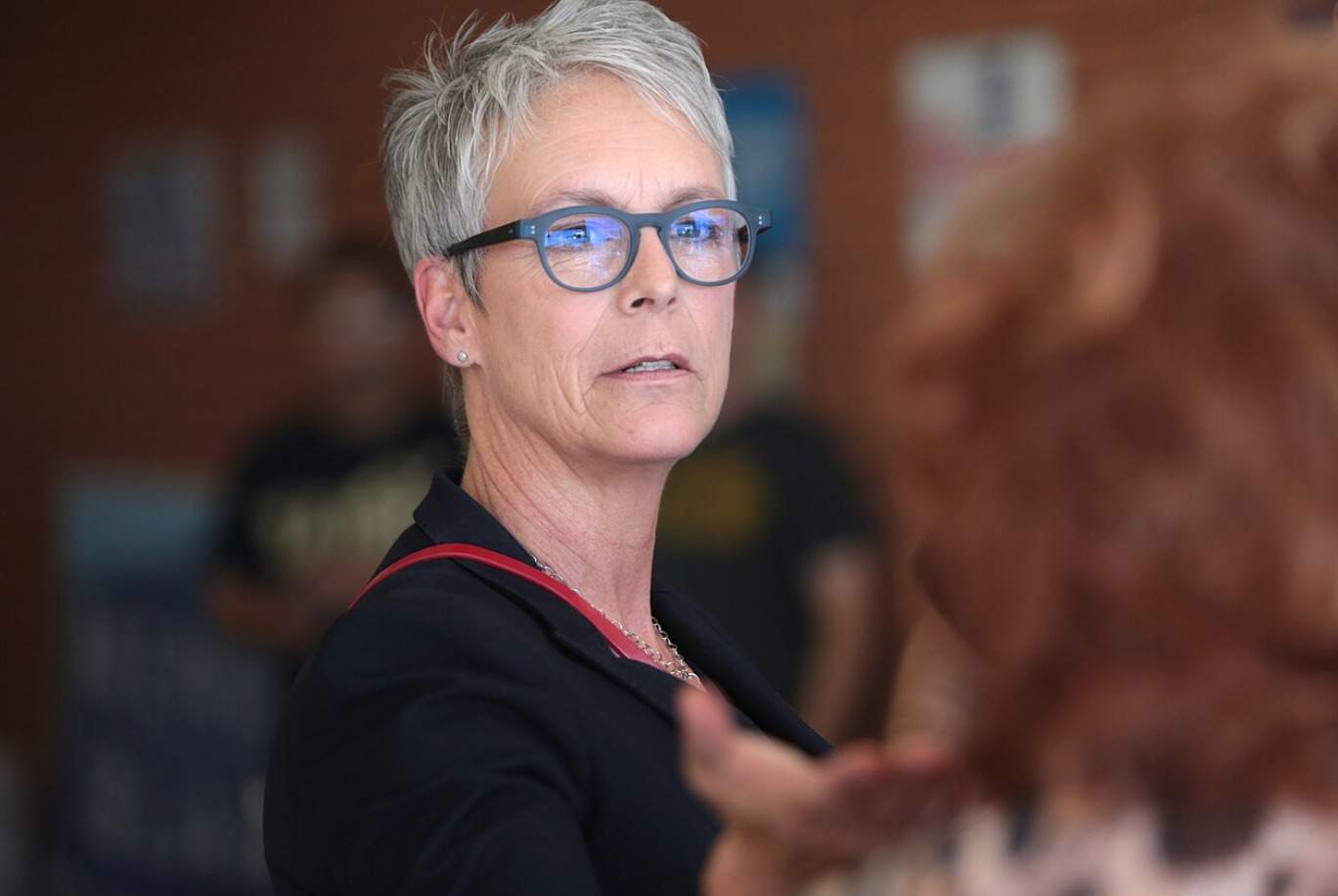
Jamie Lee Curtis, the groundbreaking actress who redefined horror cinema and became cinema’s most iconic final girl, recently reflected on nearly five decades of shaping the horror genre. Her influence extends far beyond the supernatural—Curtis transformed what it means to survive on screen and inspired generations of filmmakers and actors.
Curtis first stepped into Laurie Strode’s shoes in John Carpenter’s 1978 masterpiece, Halloween. That single role established the template for modern horror heroines: resourceful, intelligent, and genuinely terrified. Unlike the disposable characters who populated slasher films before Halloween, Laurie Strode was a protagonist audiences rooted for. She used her mind to survive, setting a precedent that still influences horror writers today.
The actress didn’t become typecast despite playing horror’s most recognizable character. She demonstrated range across comedy, drama, and action films. Yet her horror work remained her most beloved. When she returned to the Halloween franchise decades later with the 2018 trilogy, audiences embraced the older, hardened Laurie Strode with even greater passion than before.
What makes Curtis’s legacy particularly significant is how she elevated the genre’s cultural status. Before Halloween, horror was dismissed by critics and mainstream audiences alike. Curtis’s credibility as a serious actress helped legitimize the genre. Her presence suggested horror could offer more than cheap scares—it could explore genuine human fear and resilience.
Industry insiders credit Curtis with pioneering the “strong female protagonist” archetype that became industry standard. Her Laurie Strode was fighting for survival, not for romance or redemption through male validation. This character template became the blueprint that horror, action, and even mainstream cinema would follow for decades.
Today’s horror films continue reflecting Curtis’s influence. Strong, intelligent female leads dominating horror franchises represent the direct legacy of her work. Filmmakers from Ari Aster to Leigh Janiak cite Curtis as a foundational influence on their approach to fear and female agency.
Curtis remains active and vocal about cinema’s direction, particularly regarding representation and storytelling innovation. At a time when horror as a genre continues breaking box office records and earning critical acclaim, her contributions stand as the industry’s foundation stone.