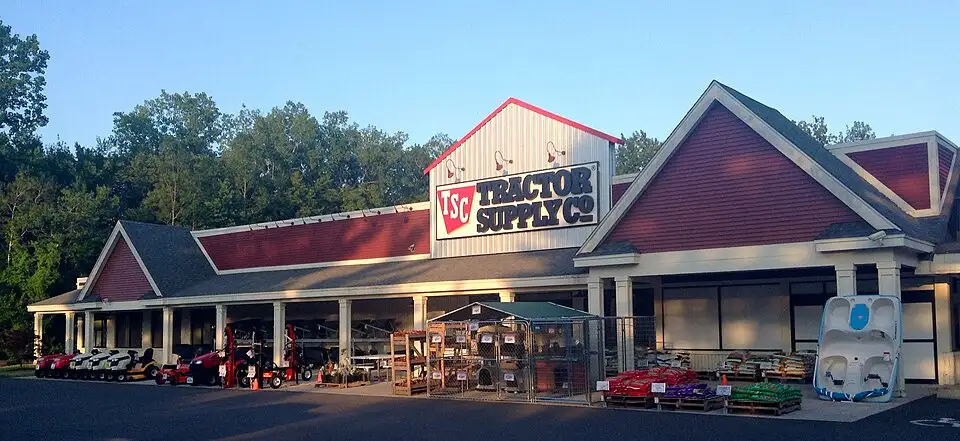
Tractor Supply Company announced significant store closures affecting rural communities across the United States, raising concerns about how these decisions will impact farmers, ranchers, and small-town economies dependent on the retailer for essential agricultural and equipment supplies.
The retail chain, known for serving agricultural and rural markets, cited operational efficiency and market consolidation as reasons for the closure decisions. The company announced it would concentrate operations in selected markets deemed most economically viable.
For rural communities where Tractor Supply often represents one of the largest employers and retailers, closures carry profound economic consequences. The store serves as a gathering place for agricultural professionals and provides essential products that farming operations depend upon for daily operations.
Farmers and ranchers expressed frustration about the closures, with many lacking alternative suppliers offering comparable product selection and expertise. In regions where Tractor Supply represents the primary accessible source for specialized agricultural equipment, closure creates genuine hardship for farming operations.
Economic analysts noted that such retail consolidation reflects broader trends reshaping American rural economies. Large retailers have historically served as economic anchors for small communities. As consolidation accelerates, rural areas face diminished commercial infrastructure and reduced employment opportunities.
The company indicated it would maintain online purchasing capabilities and offer limited pickup services in affected areas. However, rural customers noted that online options cannot fully replace physical retail experiences, particularly when managing time-sensitive agricultural needs requiring professional advice.
Community leaders mobilized to advocate for reconsidering closure decisions affecting their regions. Economic development agencies documented employment impacts and sought to negotiate retention of selected locations or alternative operational models.
Tractor Supply’s decision also prompted broader conversations about rural retail viability. As large retailers optimize networks based on profitability metrics, rural markets frequently appear less attractive than dense urban centers, leading to systematic disinvestment from agricultural regions.
Agricultural organizations raised concerns about supply chain resilience. Maintaining distributed retail networks serves critical national security purposes by ensuring agricultural communities can access essential supplies during emergencies and disruptions.