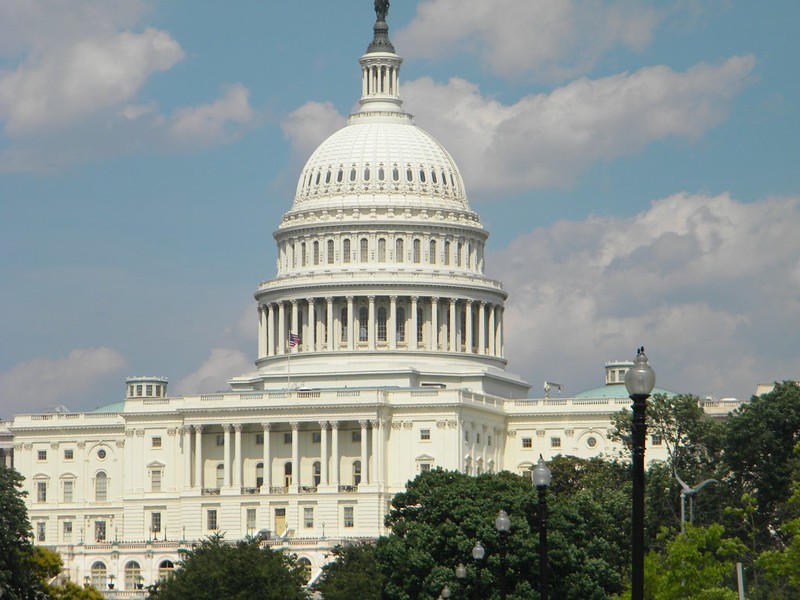
Senate Republican leadership is implementing a coordinated strategy developed in collaboration with former President Trump, signaling a realignment within the party ahead of the 2026 midterm elections. The strategy, reportedly crafted with Senator John Thune, reflects Trump’s continued influence over Republican electoral priorities.
The partnership between Trump and Senate leadership represents a significant development in American politics. Rather than the fractious dynamics that characterized previous cycles, this coordination suggests a unified GOP message and candidate recruitment strategy for 2026.
Political analysts emphasize that this alignment could meaningfully impact which candidates secure party resources and endorsements. In competitive races, Trump’s backing often proves decisive among primary voters, giving his partnership with Senate leadership profound electoral consequences.
The strategy reportedly prioritizes specific policy priorities across multiple states, targeting seats currently held by Democrats in vulnerable districts. Republican strategists believe they can flip several seats by focusing messaging on issues they perceive as advantageous.
Senate Democrats recognize the implications of Republican coordination. Unified messaging and resource allocation present genuine challenges for Democratic incumbents seeking reelection in competitive states. The party must develop sophisticated counter-strategies to compete effectively.
The Trump-Thune partnership also carries implications for Republican party culture and direction. Trump’s influence over Senate priorities shapes which issues receive party emphasis and which candidates receive cultivation and support for future advancement.
Political observers note this represents a continuation of Republican Party transformation begun during Trump’s presidency. The party has evolved toward embracing Trump as an ongoing leader rather than a transitional figure, fundamentally altering how Republicans approach elections and governance.
International observers follow American political dynamics closely, recognizing that Republican strategy developments carry implications for American foreign policy and international relations over the coming years.
The 2026 midterms will likely prove exceptionally competitive, with both parties mobilizing unprecedented resources and strategic focus. The Trump-Thune partnership represents one of the major structural developments that will shape these elections.