A California Court Blocks Trump Administration’s Eve-of-Election Ballot Challenge
Days before the midterm elections, a federal appeals court has blocked the Trump administration’s attempt to set aside roughly 20,000 mail-in ballots in California that officials claim may have been sent to noncitizens. The 9th Circuit Court of Appeals issued a 2-to-1 ruling on October 30, 2026, rejecting the Department of Justice’s request in language that underscored the limits of federal authority over state election administration. The court wrote that “entertaining the government’s requests would trample California’s authority over its election procedures” and accused the administration of “undermining the Constitution’s plain text.”
Yet the legal battle is far from over. The Trump administration can still petition the Supreme Court to intervene, and the ruling signals a multipronged effort by the White House in recent weeks to argue that elections are marred by votes from noncitizens. The California mail-in ballots case, however, reveals something deeper about how this administration is using the courts—not necessarily to win before Election Day, but to seed narratives for post-election legal challenges that could unfold regardless of Tuesday’s results.
The 9th Circuit’s decision concerned the Trump administration’s request that California election officials set aside approximately 20,000 mail-in ballots. According to the government’s filing, these ballots were associated with voters whose citizenship status the administration claimed may have been questionable. The administration argued that sending ballots to possibly noncitizen voters violated federal election law and that the ballots should be segregated before Election Day.
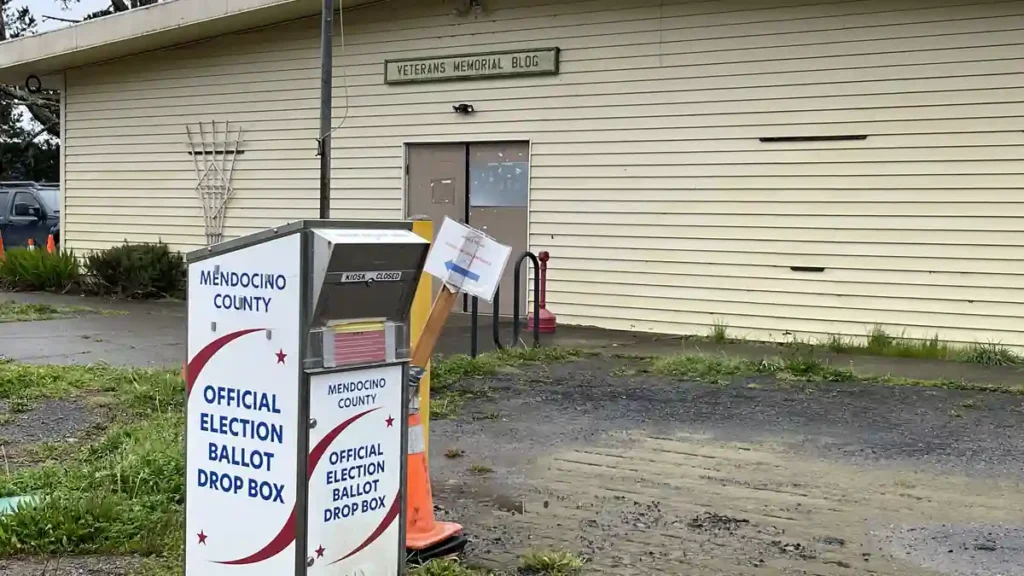
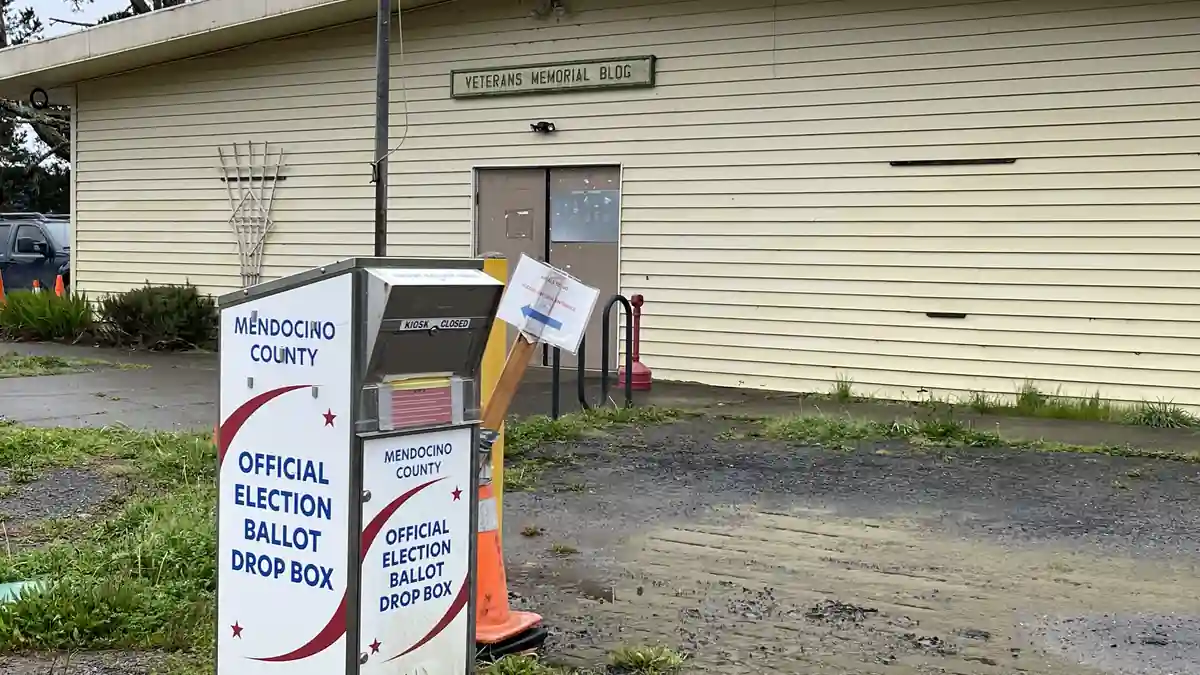
The mail-in ballots in question had been collected by police from ballot drop boxes in August 2026. California election officials disputed the Trump administration’s claims about the citizenship status of these voters.
In its ruling, the 9th Circuit panel emphasized the constitutional and practical implications of the government’s request. The court noted that the Constitution grants states primary responsibility for regulating elections, subject to federal law—but the administration’s request went beyond standard federal oversight. The judges wrote: “If the United States believes different procedures are necessary for vote-by-mail ballots, we believe it should take that suggestion to Congress, not the courts.”
The court invoked the principle that federal courts should avoid changing election procedures close to an election, given the voter confusion and administrative disruption such changes create. This principle, established in Purcell v. Gonzalez (2006), has been repeatedly applied by the Supreme Court to block last-minute election changes, including in 2020 and 2022. The 9th Circuit’s decision underscored the constitutional doctrine that states hold primary authority over election administration, subject to federal constraints.
The Lawsuit Was Filed to Lose — Strategically
The timing of this ruling—coming days before the midterms—highlights a calculated approach. By pressing this request with specific claims about noncitizen voters, the administration created a court record documenting federal allegations about election integrity, regardless of the outcome. The 9th Circuit’s denial does not erase those allegations from the public record or from the legal foundation the administration is establishing.
This pattern reveals the strategic logic of pursuing a legal challenge even when success before Election Day seems unlikely. The goal may not be victory in the courts immediately, but rather the construction of a legal and narrative framework for post-election disputes. By filing claims about noncitizen voters, the administration created a court record—even a rejected one—that becomes part of a broader narrative about election legitimacy.
The California mail-in ballots case is part of a broader pattern of legal and administrative actions the administration has undertaken in recent weeks challenging various aspects of election administration, particularly around concerns about noncitizen voters. This aligns with other federal election-related litigation the administration has pursued.
The Trump administration now has several options. It could appeal the 9th Circuit’s decision to the Supreme Court, asking for emergency intervention. Historically, the justices have resisted such requests, especially when they would require changing election procedures on the eve of voting. But the administration may calculate that placing the question before the Supreme Court—even if unsuccessful—strengthens its position by demonstrating that the highest court had to weigh the matter.
The 9th Circuit’s ruling clears the way for the 20,000 California mail-in ballots to be counted on Election Day. However, legal challenges related to the ballots or the administration’s claims could continue after the election.
What the ruling does accomplish is straightforward: it allows the 20,000 California mail-in ballots to be counted on Election Day as scheduled. The Trump administration’s attempt to impound them, to create doubt about their validity, to halt their processing—all of that has been blocked by the federal court.
For the California voter who dropped a mail-in ballot in a drop box last August, the appeals court ruling means your vote will be counted on Election Day — but the legal fight surrounding election procedures and eligibility is far from over. The court blocked the Trump administration’s attempt to set aside 20,000 ballots before the midterms, citing constitutional limits on federal authority. Yet the lawsuit can continue, and the administration can still appeal to the Supreme Court. More significantly, the court record now contains the government’s claims about noncitizen voting — a narrative foundation laid for post-election challenges regardless of Tuesday’s results. Your ballot is safe for now; the legal architecture to contest it later has been established.