Canadian exporters watching US tariffs squeeze their border sales got a boost this week. China agreed to cut duties on roughly C$400 million worth of Canadian goods and to restart a dormant currency-swap arrangement with Ottawa. The moves show Beijing’s willingness to deepen economic ties with Canada even as Washington turns inward.
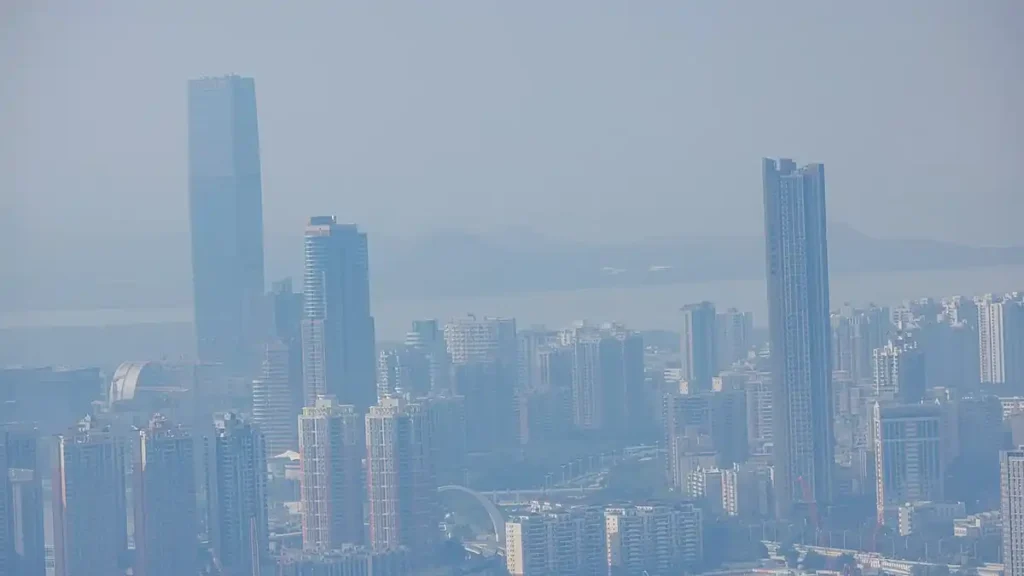
Chinese leader Xi Jinping met Canadian Prime Minister Mark Carney in Shenzhen on Tuesday, 17 November, on the sidelines of the APEC summit. It was their third meeting since Carney took office. China will drop tariffs on frozen pork cuts, fish and seafood. The two countries also agreed to extend by two years relief on certain Chinese steel and aluminium products that were due to expire at the end of 2026. The People’s Bank of China and Canada’s central bank will restart a bilateral local-currency swap that had been inactive for nine years. The renewed agreement runs for five years with a quota of 200 billion yuan, roughly US$30 billion. An operational rehearsal is planned by year-end, with a trial draw in 2027.
For Canadian farmers and seafood producers, the tariff cuts open a path around US duties. Washington imposed an extra 50 per cent levy on selected Canadian imports in August, forcing exporters to hunt for new buyers. Beijing also said it welcomes long-term Canadian investors, including pension funds, through its Qualified Foreign Investor scheme. Carney said Canada is ahead of pace on its goal to increase exports to China by 50 per cent by decade’s end. Shipments of Canadian crude oil to China have risen about 37 per cent in 2026.
The package: tariffs, currency and market access
China and Canada agreed three linked pieces. The first is tariff relief on roughly C$400 million of food and agricultural goods. The second is a two-year extension of relief on steel and aluminium imports. The third is the currency swap, which is meant to ease trade financing and cut conversion costs for businesses on both sides.
China’s Ministry of Finance also printed its first green sovereign bond marketed in Canada, a 4 billion yuan offering that drew 54.04 billion yuan of subscriptions, about 13.5 times the amount on offer. The joint outcome document said China would encourage foreign institutions to issue panda bonds, yuan-denominated bonds issued by foreign entities.
Ottawa separately approved annual imports of 49,000 Chinese-made cars at a tariff rate of 6.1 per cent, with the quota rising to 70,000 vehicles over five years. Chinese automakers BYD, Geely and Chery have taken steps to enter the Canadian market.
What did China and Canada agree to? The two sides agreed to tariff relief on about C$400 million of Canadian pork, fish and seafood, a two-year extension of relief on certain Chinese steel and aluminium, and the restart of a 200 billion yuan central-bank currency swap that had been dormant for nine years.
Critics and security analysts warn that closer economic ties to Beijing carry risks. Concerns include China’s detention of pro-democracy Hong Kong media figure Jimmy Lai, Beijing’s execution of four Canadian citizens last year, and Canadian intelligence findings that China interfered in at least two federal elections. China denies election interference.
The deals emerged from a China-Canada Economic and Financial Strategic Dialogue held in Vancouver on 8 and 9 November. Xi told Carney that exchanges had fully resumed since January, when the two countries agreed to advance their strategic partnership. With US tariffs pushing Canadian exports eastward, Beijing has shown it will reciprocate market access with tariff cuts and preferential terms.