American fighter jets struck an Iranian missile launch site on Qeshm Island on Tuesday, a US military official said, hours after Iran’s Revolutionary Guard Corps said it had targeted a US radar system at a Bahraini air base. The official described the attack as a self-defence strike responding to IRGC aggression against US personnel and assets.
The exchange is the latest in a nine-month war that has disrupted shipping through the Strait of Hormuz. Bahrain, which hosts the headquarters of the US Fifth Fleet, said it intercepted the Iranian attack and reported no casualties or damage. US Central Command said the Iranian drones were intercepted with no damage or injuries. It was the third Iranian attack on Bahrain in less than a week; on Sunday Iran said it struck a US radar at the Al-Rifa helicopter base.
For readers, the escalation shows up first in fuel costs and shipping. The Strait of Hormuz carried about one-fifth of the world’s oil and liquefied natural gas before the conflict. Brent crude rose toward $94 a barrel after the strike, up more than 50% for the year. The US maintains a naval blockade of Iran, and Iran has disrupted traffic through the strait, so a wider clash would raise prices far beyond the Gulf.
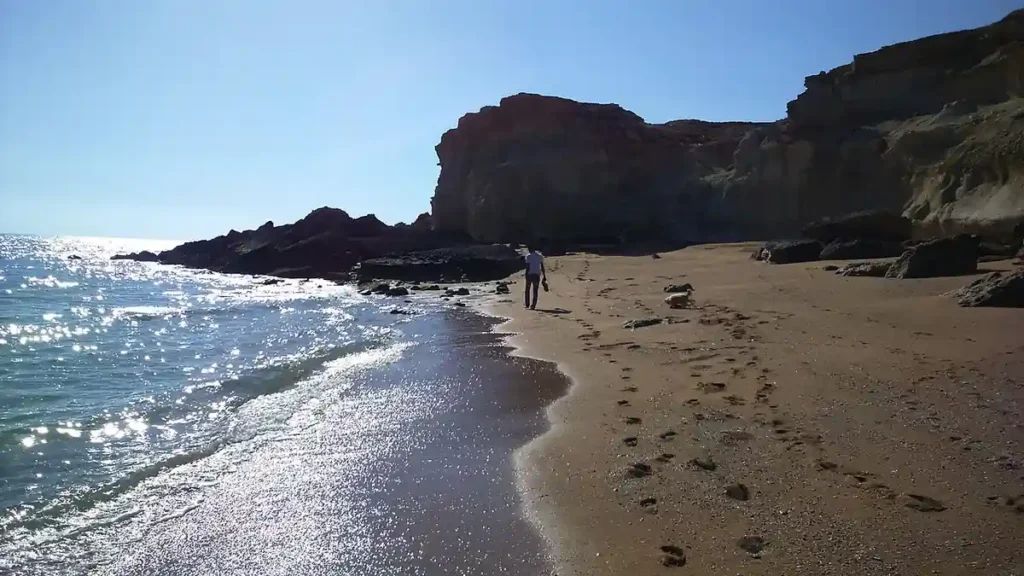
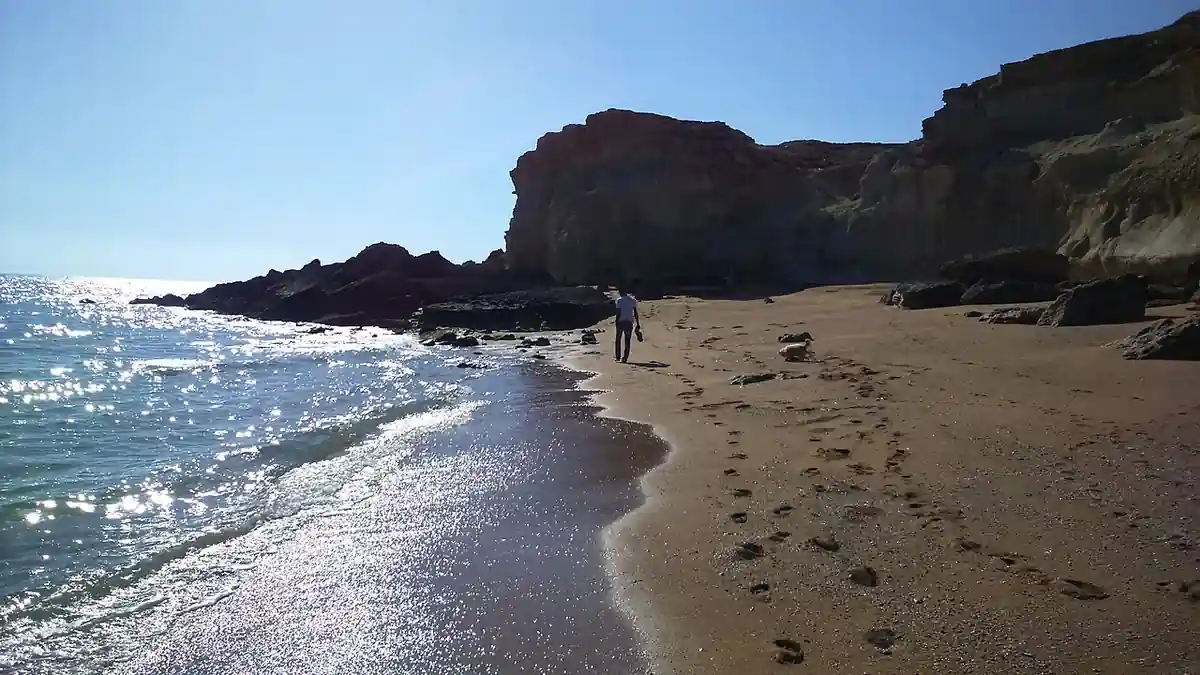
Qeshm is the largest island in the Persian Gulf, about 14 miles from Bandar Abbas, at the mouth of the strait. Iran has extensive IRGC naval and underground military installations there. The Wall Street Journal reports a large underground missile site, a naval base and a major desalination plant, and analysts describe the island as the main platform for Iran’s asymmetric naval power. Tuesday’s strike is at least the ninth documented US attack on Qeshm since the war began on 28 February.
Why Qeshm Island matters to global oil supplies
Ahmad Nafisi, Hormozgan province’s deputy governor for political and security affairs, said the strike caused no damage to infrastructure, commercial premises or residential areas. Iran’s IRNA news agency reported five to six explosions, and Fars reported blasts northwest of Qeshm city. Iranian media said an air-defence missile launcher in the Nariman area was hit. The extent of the damage to military facilities is unclear from public reports. Trump confirmed “minor strikes” on an Iranian air-defence system on Qeshm on 6 November.
Iran said earlier this month that it had struck a US radar in Bahrain, and the pattern has repeated. Tankers have been hit in the Strait of Hormuz, and four vessels caught fire there in late October. The UK Maritime Trade Operations agency said the crew of a tanker attacked north of the Omani port of Khasab was unaccounted for. The IRGC said a liquefied natural gas vessel and two oil tankers caught fire in the strait; Reuters said it could not verify those reports.
Diplomatic contacts continued even as the strikes intensified. Qatar and Iran held talks on Tuesday, and Iranian Foreign Minister Abbas Araghchi visited Oman and met Sultan Haitham bin Tariq to discuss maritime security and a diplomatic initiative to end the war. Iran’s parliamentary speaker and lead negotiator, Mohammad Bagher Ghalibaf, warned that Tehran would respond in kind against civilian infrastructure near US and Israeli bases. Bahrain sentenced 64 people, most of them Shi’ite clerics, to life imprisonment days before the latest attack on charges of colluding with Tehran; Iran’s foreign ministry called the verdict baseless.
Iran has also pressed Washington through its Houthi allies in Yemen, which have attacked Saudi Arabia and seized ground along the Yemeni coast near the Bab el-Mandab Strait. Yemen’s forces retreated from positions near the strait this month, widening the area where shipping is at risk. Trump said Washington was taking seriously a report that Iran could be planning an attack involving a dirty bomb in Washington; Iran’s foreign ministry rejected the allegation.
Why does Qeshm Island matter? The island sits at the mouth of the Strait of Hormuz, the route for roughly a fifth of the world’s oil and gas. Iran bases naval and underground missile forces there, which is why the US has repeatedly targeted it, and why damage to the island’s port or desalination plant would affect both military operations and civilian life.
Qatar is mediating between Washington and Tehran, and Oman is hosting Iranian diplomats, but the US naval blockade and Iran’s nuclear programme remain sticking points. The two sides exchanged fire even as those talks continued. Watch for a Qatari statement after Tuesday’s meeting and for any change in the US blockade.