Australian households and businesses watching national trade can now see a major commercial shift taking hold. After years of trade disputes and strained diplomacy, commercial ties between Canberra and Beijing have reached stable ground. China is Australia’s largest trading partner, and about $20bn in tariffs was imposed on Australian exports during the dispute.
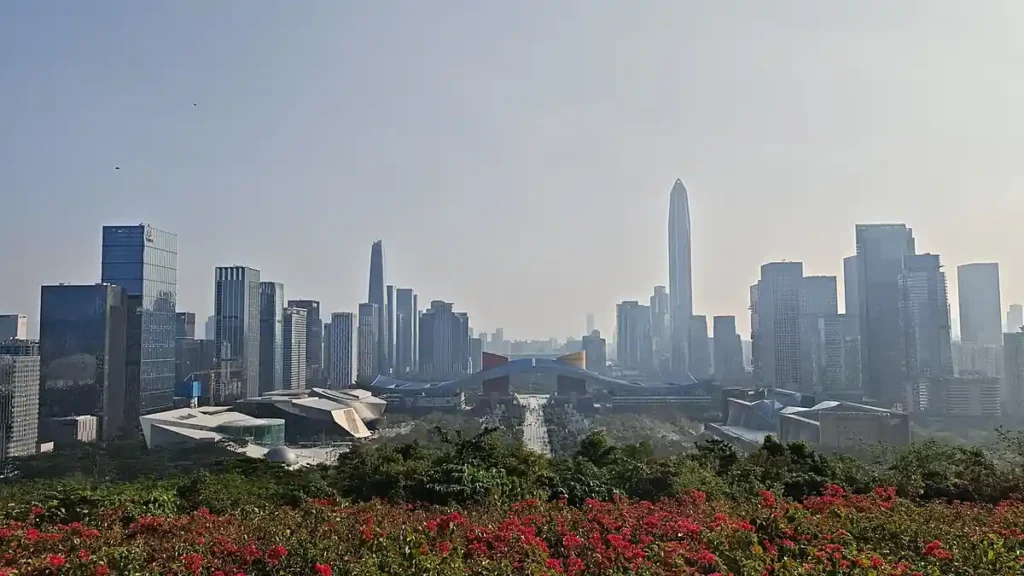
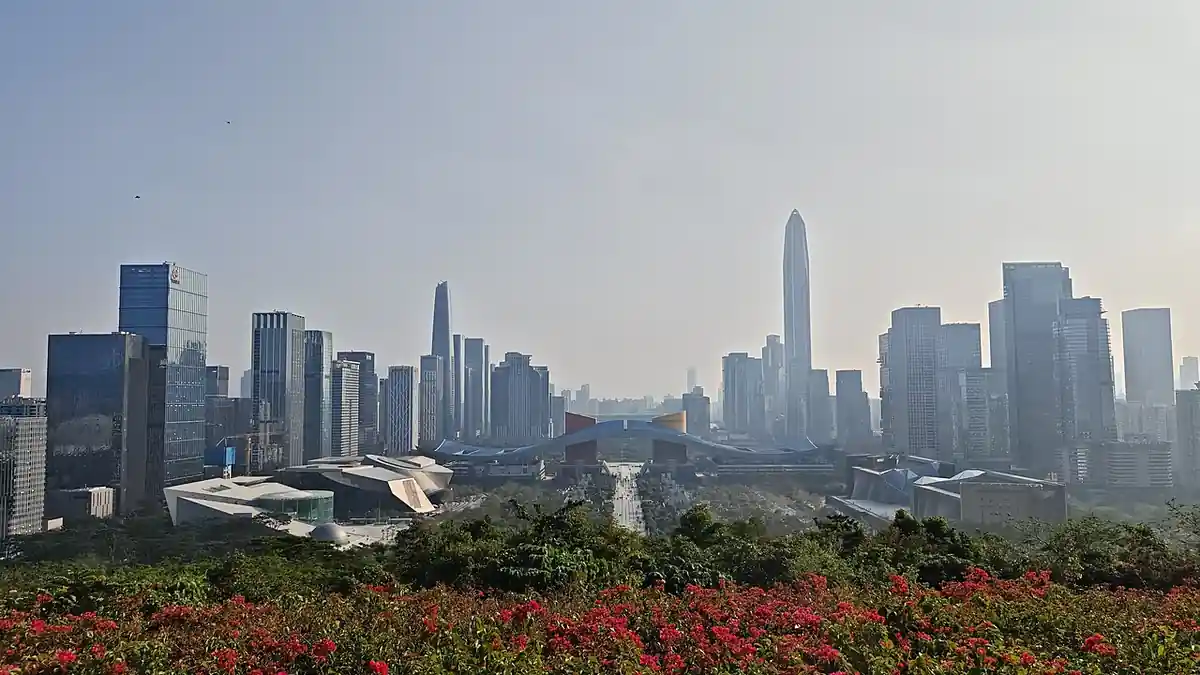
The latest reset in Australia China relations occurred in southern China on Friday, 20 November 2026. Chinese President Xi Jinping met Australian Prime Minister Anthony Albanese on the sidelines of the APEC summit in Shenzhen. The gathering took place at Kylin Villa, a state guesthouse. The bilateral talks ended an 11-day diplomatic tour for the Australian prime minister. That trip included the ASEAN and APEC summits, the Cop31 climate talks, and a Quad leaders meeting in Manila. News agency AAP described the Shenzhen talks as the leaders’ fifth formal meeting. China is Australia’s largest trading partner, making the summit an essential commercial checkpoint.
For Australian workers and exporters, this top-level engagement brings immediate commercial certainty. Mining companies, wine producers, and farming communities across Australia rely on access to Chinese buyers. Many tariffs have been lifted, but a 55% tariff remains on Australian beef and iron-ore negotiations are tightening, so the relationship is steadier, not settled.
Leaders Welcome A New Diplomatic Tone
Inside the meeting room, both leaders struck an optimistic note about their recent diplomatic efforts. Xi Jinping praised the progress achieved over the past four years. “Since you took office as prime minister in 2022, we have met four times. I think it is fair to say that together we have brought about a comprehensive turnaround in China-Australia relations,” Xi said.
The Guardian reported Xi’s prepared remarks as: “Since you became prime minister in 2022, we have had four meetings… We have jointly promoted the full turnaround of China-Australia relations, and exchanges and cooperation in various fields between our two countries have continued to deepen.” Xi also described Albanese as a “China hand” because he had visited China so many times.
Albanese echoed that positive view during their discussions. The prime minister said the relationship “delivers prosperity.” He described ties as “positive” and “not defined by our differences.” He added that both nations can have “clear and frank exchanges for our mutual interest.”
Trade Barriers Lifted Amid Security Friction
The warming relationship follows years of intense economic pressure. Beijing previously imposed about $20bn in tariffs on key Australian exports, including barley, wine, beef, lobsters, coal and timber. That occurred after Australia excluded Huawei from its 5G rollout and the Morrison government called for an international inquiry into the origins of Covid-19. Many of those tariffs have since been lifted. However, a 55% tariff remains on Australian beef because of China’s quota system.
Broader security disputes also shadow the commercial progress. Ties have occasionally flared, including after a Chinese missile test into the Pacific and Beijing’s arrest of Chinese-born Australian nationals on spying charges. Before the talks, Albanese said he would explain planned joint military exercises with the US, Japan and India. He also pledged to explain government efforts to terminate Chinese company Landbridge’s 99-year lease on the Port of Darwin. That promise has become bogged down in international legal action.
Chinese leaders brought their own list of worries. Officials expected Xi to raise concerns about Australia’s cooperation with Washington on AI and defence. They also expected discussions on a new critical minerals agreement signed with the Trump administration.
Mining Leaders Advance Beijing Talks
Following the Shenzhen talks, Albanese was due to travel to Beijing to meet Chinese Premier Li Qiang. Senior corporate executives joined the prime minister for the journey. Rio Tinto’s head of iron ore Matt Holcz and BHP’s Australia boss Geraldine Slattery joined him for a CEO roundtable with Chinese company executives.
The commercial discussions coincide with high-stakes mineral negotiations. Australian Resources Minister Madeleine King said any manipulation of trade in iron ore would be against international rules and a threat to government revenues. Her comment came as Australia’s top miners negotiate with China’s state iron ore buyer, China Mineral Resources Group, which is centralising buying.
The same venue hosted Donald Trump and Vladimir Putin a day earlier, and Xi Jinping has now met three very different partners in two days. He then turned to rebuild a trading relationship with Australia.
What did Xi Jinping say about Australia-China relations?
Xi Jinping said the two countries had brought about a “comprehensive turnaround” in relations since Anthony Albanese became prime minister in 2022. He added that exchanges and cooperation between both nations had continued to deepen. Xi also called Albanese a “China hand” because the Australian leader had visited China so many times.
The Shenzhen summit concludes another chapter in restoring diplomatic contact between the two trading partners. Most of the tariffs China imposed during the dispute have been lifted, though beef tariffs and mining talks remain active concerns. All eyes now turn to Beijing, where Albanese meets Chinese Premier Li Qiang alongside Australian mining bosses to determine the next commercial steps.