Negotiators at the COP31 climate summit released an 18-page draft deal on Monday that calls for an immediate shift away from fossil fuels and at least $120 billion a year in climate adaptation finance for developing countries by 2035. The text, published in the Turkish city of Antalya where the talks are being held, sets up a fight over wording that has stalled earlier UN climate agreements.
The draft was prepared under a split presidency shared by Australia and Turkey. Talks began on 9 November and the official deadline for a final agreement is Friday, although recent UN conferences have overrun. Australian Climate Change and Energy Minister Chris Bowen, who is leading the negotiations, said the draft deliberately includes clauses that not everyone will accept. “There are elements in this draft that not all parties will agree on,” he told a press conference. “We need to move the dial.”
What the draft says on money and energy
On finance, the document urges developed countries to triple annual adaptation finance to at least $120 billion by 2035 and to present a roadmap for reaching that target. It also proposes an “Antalya-to-Addis Ababa Roadmap on Adaptation and Resilience Finance”, with a report at COP32 in 2027. The broader goal is to mobilise at least $300 billion a year by 2035, balancing adaptation and mitigation within that total.
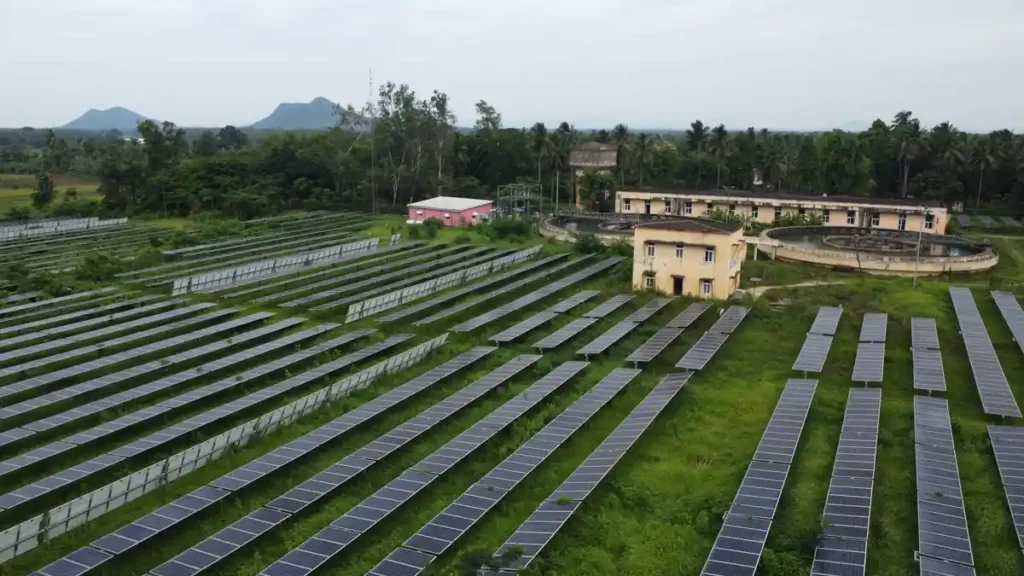
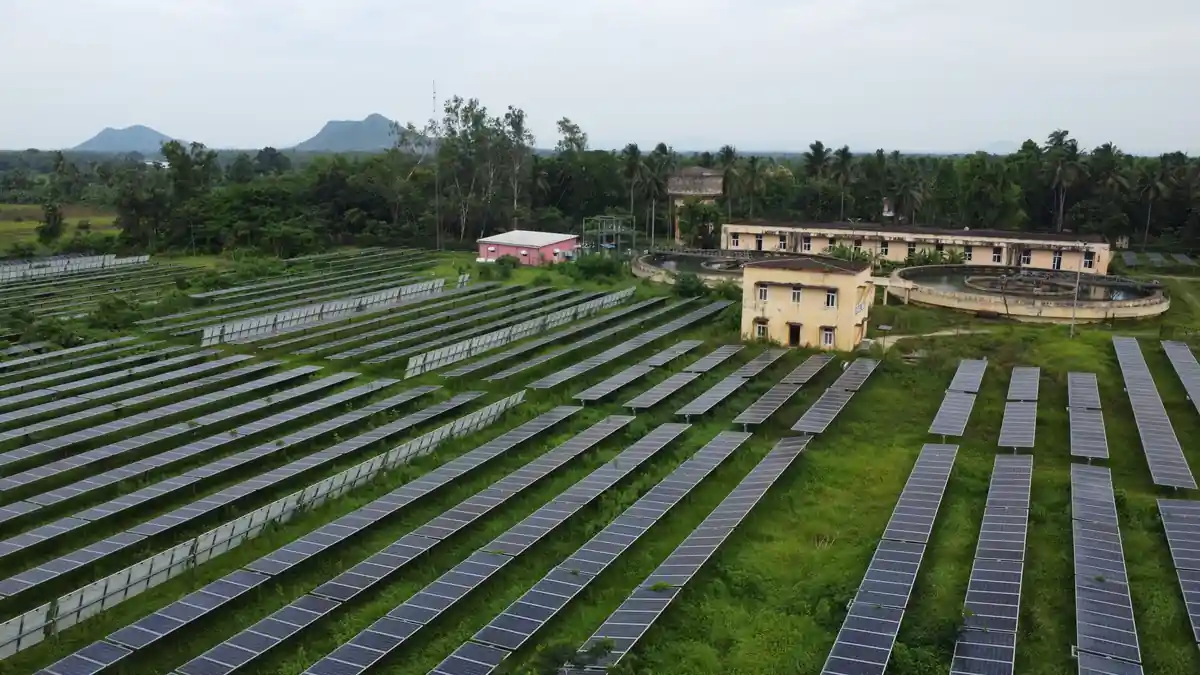
On energy, the draft calls for accelerating the transition away from fossil fuels in what it calls a “just, orderly and equitable” manner, and for an immediate transition along with the phaseout of inefficient fossil fuel subsidies. It proposes lifting electricity’s share of total final energy consumption to 35% by 2035, tripling global renewable capacity and doubling the annual rate of energy efficiency improvements by 2030. It also urges stronger action on methane, including leak detection and repair and an end to routine flaring and venting.
Two competing phrases sit side by side in the draft. One repeats the wording agreed in 2023 on “transitioning away” from fossil fuels. The other, more ambitious clause refers to a “phase out”. Both could be removed from the final deal, according to France 24. The DW report on the draft notes that the $120 billion figure is about 109 billion euros.
The draft arrives while governments that are still approving new oil and gas projects face questions about the gap between those approvals and their climate pledges. The UK’s Jackdaw gas field recently began flowing while a decision on the Rosebank field is pending. A UN report last month said the world is on course to exceed the 1.5 degrees Celsius warming threshold that scientists say should limit the worst effects of climate change.
What does the COP31 draft say? It asks developed countries to triple adaptation finance for developing nations to at least $120 billion a year by 2035, and it calls for an immediate shift away from fossil fuels. It is a draft, not a deal, and the two fossil-fuel phrases it contains could both be removed before Friday. The full detail is set out by Anadolu, which published the contents of the 18-page text.
The document also proposes a dedicated work programme on mountains and climate change, and a study of what happens if temperatures temporarily overshoot 1.5 degrees and then come back down. COP31 President Murat Kurum used the summit to launch a voluntary artificial intelligence pledge, which nine of the nearly 200 countries present have signed so far. Ministers now have until Friday’s deadline to turn the draft into an agreement.