International banks now face intense scrutiny after US authorities identified approximately $14.7 billion in suspected Iranian shadow banking transactions. New American sanctions target dozens of exchange houses, front companies, and individuals across global trade hubs. These regulatory actions place commercial lenders at the front line of economic defense. Everyday payment routes and business settlements face tighter compliance checks as authorities move to cut off illicit funding channels.
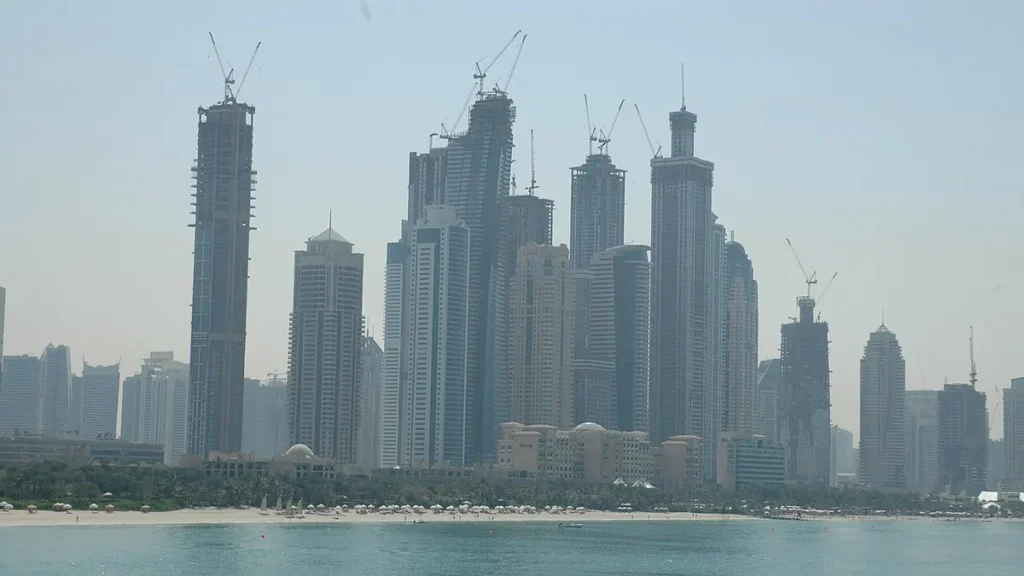
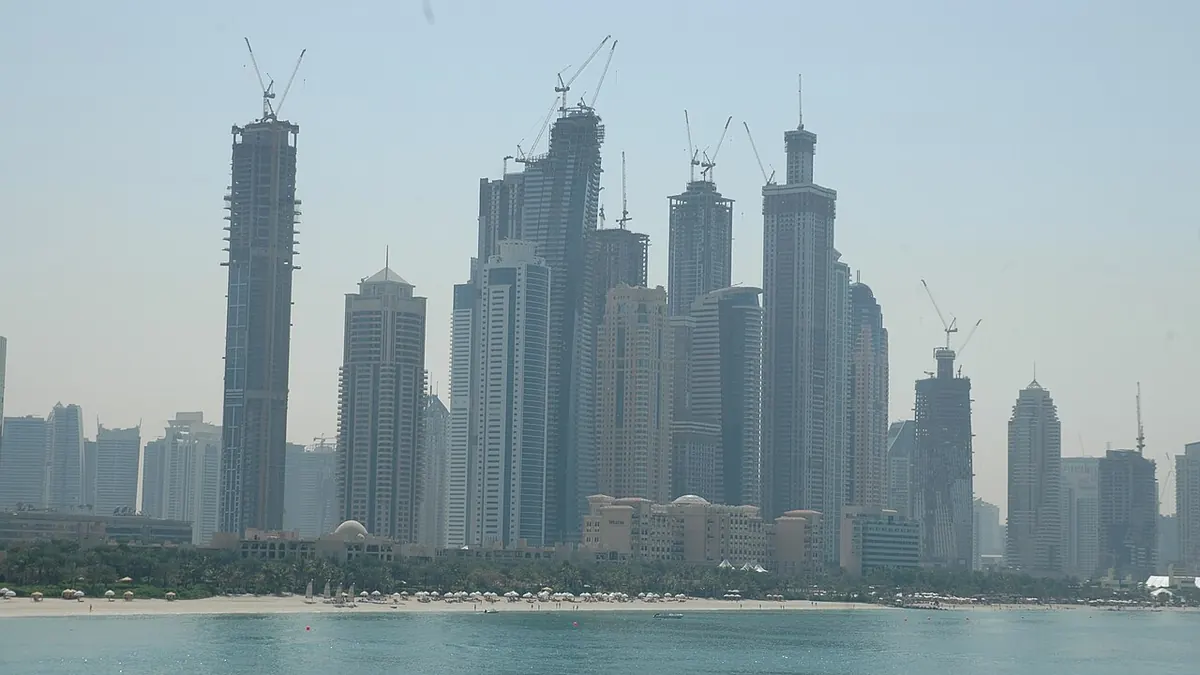
On Monday, Nov 23, 2026, the US Treasury Department’s Financial Crimes Enforcement Network, known as FinCEN, issued a Financial Trend Analysis. The report identified approximately $14.7 billion in financial activity between January 2025 and August 2026 potentially linked to Iranian shadow banking. That total comes from suspicious-activity reports filed by American financial institutions under the Bank Secrecy Act. FinCEN provides those institutional reports to law enforcement and national security agencies. Also on Monday, the Treasury Department imposed sanctions on more than two dozen Iranian exchange houses, alleged front companies, and individuals. Officials described these targets as components of Iran’s shadow banking network. At least eight of the sanctioned companies are based in Dubai. One sanctioned firm is located in Turkey. Another firm operates out of Hong Kong.
These sanctions create immediate friction for commercial transactions tied to Iran. By designating exchange houses and facilitators, Washington blocks access to standard financial channels that settle cross-border commerce. The Treasury stated that the sanctions target “the financial infrastructure that underpins much of Iran’s remaining foreign trade, disrupting the exchange houses, front companies, and facilitators that move billions of dollars through the international financial system.” Commercial banks worldwide must screen payment routes involving Dubai, Turkey, and Hong Kong more closely because the designations make transactions through those intermediaries high-risk.
Treasury officials stated that the entire apparatus is overseen by Iran’s central bank. The system operates through dozens of Iran-based foreign-exchange houses. It also relies on so-called rahbar companies. These entities work as banking affiliates that manage sanctions-evasion operations for their clients. Treasury Secretary Scott Bessent outlined the administration’s strategic stance on these networks. He said: “Financial institutions are often the first line of defense in denying Iranian regime-linked funds access to the U.S. economy.” Bessent added that the Treasury will keep severing the financial lifelines the regime relies on to fund its military, weapons programs and terror proxies.
The enforcement push follows wider conflict across the Middle East. Agence France-Presse reported that new American sanctions have battered Iran’s economy since August. Those economic measures aimed to complement Washington’s military assault on the country. Earlier in the year, the United States and Israel launched strikes against Iran in late February. FinCEN noted that evasion trends and operational methods remained relatively consistent throughout 2026 despite the added military and economic pressure.
How the networks move the money
FinCEN documented several primary geographic corridors used to transfer these funds. The most common flagged route involved transfers from mainland China-based banks to UAE-based banks, accounting for about $2.6 billion. A second major path moved money from Singapore-based banks to UAE-based banks, totaling about $981 million. A third corridor directed funds from United Kingdom-based banks to UAE-based banks, involving about $922 million.
These financial webs span the United Arab Emirates, Hong Kong, and Singapore. The illicit flows directly touch high-value commercial sectors. These areas include crude oil sales, maritime shipping, capital investment, and foreign technology procurement. Investigators also singled out shell entities registered in offshore jurisdictions. Companies registered in the Marshall Islands and the British Virgin Islands, frequently listing shared corporate-registry addresses, presented an area of intense concern for compliance officials.
What is Iranian shadow banking? It is a complex network of commercial exchange houses, front companies, and banking affiliates operating outside the formal international banking system to evade economic sanctions. Because Iranian banks cannot openly access standard global payment rails, these informal entities conduct trade settlement and wire transfers on their behalf. They mask the ultimate origin and destination of funds, enabling state agencies and private firms to conduct cross-border commerce without detection by foreign regulators.
The Treasury and FinCEN have exposed $14.7 billion in suspicious transactions while sanctioning dozens of commercial entities across three global hubs. These enforcement actions challenge the financial systems supporting Tehran’s military spending and foreign commerce. The next developments will depend on whether international banks report new evasion routes and whether the Treasury issues additional sanctions against offshore shell networks.