If the Federal Reserve raises rates in December, your mortgage, car loan and credit card bill could all cost more. New government data makes that outcome look more likely. The latest PCE report shows prices still climbing faster than the Fed wants, and one prominent economist now expects the Fed to raise rates in December.
The full set of numbers sits in BEA’s October Personal Income and Outlays report, released at 8:30 a.m. EST on Wednesday, November 25. The headline PCE price index rose 3.8% from a year earlier. In September it was 3.6%. Core PCE, which strips out food and energy, rose 3.3% from a year earlier. That is up from 3.1% in September and the highest reading since 2023. Both measures rose 0.3% from the month before. Personal income rose $201.8 billion, or 0.7%. Personal consumption expenditures rose $63.8 billion, or 0.3%. Inflation-adjusted spending slipped $5.8 billion, which is essentially flat. The personal saving rate was 4.1%.
For most households, the math is simple. Credit card rates are already high, and they tend to rise quickly when the Fed lifts its benchmark rate. Adjustable-rate mortgages and auto loans can follow. Fixed-rate mortgages move more with bond markets, so home loan quotes could climb before any Fed vote. Savers may earn a bit more on bank accounts, and the personal saving rate was 4.1%. Card holders may also want to track the push for a 10% credit card interest rate cap.
What the data showed
Income looked strong on paper, but the details are less rosy. Here is the catch. A one-off rebate flattered the income number while spending barely grew. A BEA technical note says much of October’s income jump came from one-time payments tied to a Medicare Improvement Fund premium rebate, along with higher pay and dividends. That means the 0.7% gain overstates the underlying trend in wages.
Real spending, which adjusts for inflation, slipped $5.8 billion. That is essentially flat. Real consumer spending was essentially flat in October. Meanwhile, energy costs kept feeding into prices for everyday goods. Core goods price growth nearly doubled from one month to the next.
Economic growth is also strong, and third-quarter GDP was revised up to 4.3% in the second estimate.
Why the Fed may hike in December
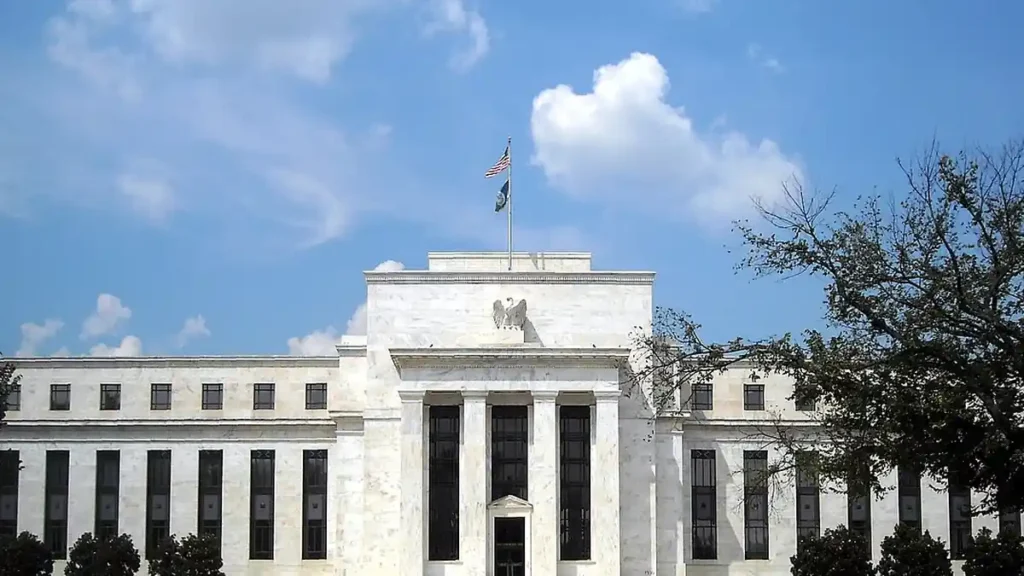
The Fed’s final 2026 policy meeting is in December, and these numbers land right before it. Bradley Saunders, an economist at Capital Economics, said the core reading made a December hike all but certain. He thinks a 25-basis-point increase is the most likely move. Yahoo Finance quoted analysts who also expect a December hike.
CoinDesk’s market briefing reported that a December increase was already priced in. That matters because traders move money ahead of Fed decisions, so the outcome may already be partly baked into borrowing costs.
Fed governor Chris Waller has laid out a path. If the Fed hikes 25 basis points in December, he said, it should announce a similar follow-up hike in January or deliver a half-point move. Fed governor Lisa Cook wants policy to stay tough. She argues financial conditions remain too loose while inflation stays high.
The Fed’s long-run goal for inflation is 2%. Core PCE at 3.3% sits well above that mark, and officials have less room to wait. The Fed’s 2% inflation goal refers to the headline index, while policymakers watch core closely as a longer-run signal.
Will the Fed raise rates in December? Economists say it is likely. Capital Economics economist Bradley Saunders said the core PCE reading made a December hike all but certain, with a 25-basis-point increase the most likely move. The Fed’s final 2026 policy meeting takes place that month, and the core reading is central to that expectation. Officials are not fully aligned on what comes after, so the size of the move matters too.
Williams pushes back on tariffs
Not everyone at the Fed agrees that a hike is the answer. New York Fed president John Williams argues that tariffs have largely faded from inflation. He also says monetary policy works with a one-to-two-year lag. In plain terms, a rate hike today would take a long time to show up in prices. That timing matters for any decision made in December.
The tariff question sits at the center of the debate. If tariffs are no longer driving prices, then the inflation problem has other roots, such as energy. Readers who track trade policy should also check new tariffs on 16 major economies, since import costs can feed into what Americans pay at the store.
The split inside the Fed is the story many analysts are watching. Some officials want to act quickly. Others, like Williams, want to wait and see how earlier moves play out.
What happens next
The December meeting is when the rate decision comes. The BEA’s next inflation release is scheduled for December 23, 2026, and it will show whether the price trend keeps climbing. Until then, watch how Fed officials describe the path after a possible hike.
Borrowers with variable-rate debt may want to plan now. Check your card balance, your loan terms, and any mortgage quote you are considering. A small rate rise can add up over a year of payments. Lenders can also change quotes quickly when the Fed moves, so waiting too long may cost more. Compare offers from several banks or credit unions before you sign anything.
Inflation is still running hot. Saunders expects the Fed to raise rates in December, and the outlook for borrowing costs has shifted. Income gains were flattered by a one-off rebate, while spending barely grew. Households with credit card debt, car loans or home plans should watch the numbers closely. The BEA’s next personal income and outlays release is due December 23, 2026.