Global Markets React to Trade Tensions
On Tuesday, January 21, 2026, stock markets across the United States and Europe experienced significant volatility following renewed geopolitical tensions. President Trump’s tariff announcements targeting eight NATO member countries over Greenland created investor uncertainty about international trade relations. This shift in policy direction triggered broad-based selling, with major indices posting significant daily changes. Understanding what happened—and why investors responded the way they did—requires examining both the policy announcements and the market mechanics that influenced the initial reaction.
Tuesday’s Market Changes Across Major Indices
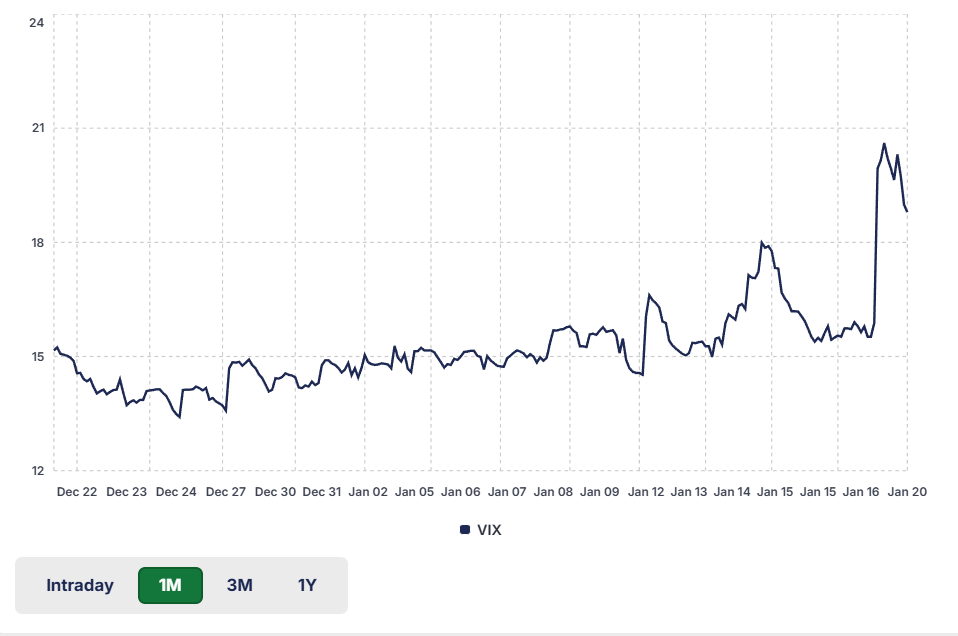
Market indices showed volatility across all major benchmarks on Tuesday, January 21, 2026.
The VIX spiked to elevated levels, indicating investor concern. This metric reflects market participants pricing in uncertainty or heightened risk perception related to the policy announcements.
What Caused The Market Reaction
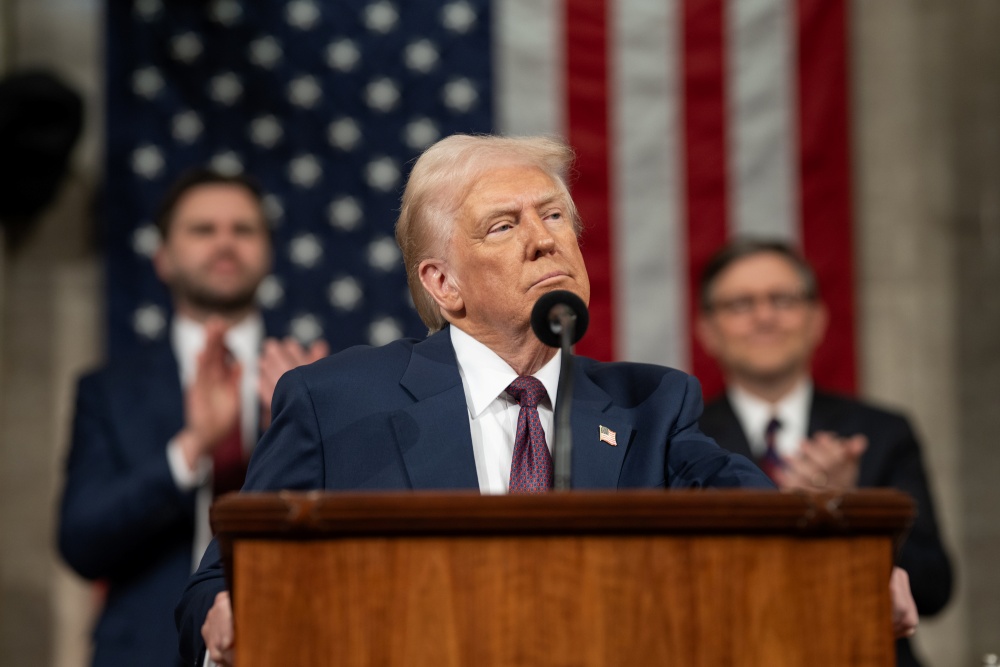
Stocks moved lower after President Trump intensified his rhetoric on Greenland, announcing tariffs on countries opposing the sale of the Danish territory to the United States. On Saturday, January 18, 2026, Trump announced that eight NATO members would face escalating tariffs—starting at 10% on February 1 and rising to 25% by June 1—unless a deal was reached for Greenland’s acquisition.
This policy announcement created market uncertainty. Investors worry about how trading partners might respond, whether existing business relationships could be disrupted, and whether companies with international operations face margin pressures from tariffs. Treasury yields changed as Trump’s announcement affected investor sentiment regarding U.S. asset valuations.
For context, U.S. Treasury bonds are typically considered a safe refuge during market stress. The market’s reaction reflected investor reassessment of valuations amid geopolitical uncertainty and policy changes.
How Events Unfolded: Saturday to Tuesday

Events unfolded rapidly from the Saturday announcement to the Tuesday market response.
Countries Targeted by Proposed Tariffs
Eight NATO member nations face tariff escalation under the proposal. Each country’s economy depends on different levels of trade with the United States, meaning the impact varies by nation. Denmark, as the sovereign authority over Greenland, faces particular mention in the policy discussions.
Additionally, Trump mentioned 200% tariffs on French wine and champagne in the context of other trade discussions. These announcements added layers of uncertainty to business planning expectations.
Critical Market Data from Tuesday
Quantitative summary of market volatility as traders reacted to the news.
Detailed Index Performance
The three major indices declined in tandem, suggesting broad-based trading activity. The Nasdaq’s 1.4% change exceeded the Dow and S&P 500’s 1.1% change, reflecting particular market focus on technology companies. The VIX at 20.69 indicated elevated volatility metrics affecting investor decisions.
Understanding the Market’s Response
Markets respond to policy announcements. When policymakers announce changes to trade relationships, currency values, or corporate operating conditions, traders and investors reassess asset valuations to reflect these new circumstances. On Tuesday, several mechanisms influenced market activity.
First, Treasury yields adjusted as investors reassessed U.S. asset values. Yield changes affect existing bond holders and influence borrowing costs for new loans. When business borrowing costs change, this affects corporate investment and expansion plans.
Second, the Federal Reserve’s monetary policy framework could face pressure if trade policy decisions affect price levels in the economy. The central bank monitors economic conditions to determine appropriate policy settings.
Third, companies with significant international operations or trade relationships face business planning considerations related to tariffs. Market participants assess how these factors might affect corporate finances over coming periods.
Capital Movement Patterns
Investors responded to Tuesday’s announcements by adjusting their portfolio positions. This pattern reflected reassessment of risk and opportunity across different asset classes.
Capital reallocation patterns reflected investor reassessment of economic conditions and policy uncertainty. Asset values change as market participants process new information and adjust expectations.

Capital flows through different markets as investors reassess their positions.
Key Events to Monitor
The market’s path depends on several near-term developments. First, negotiations at international conferences would provide insights about whether tariff announcements are negotiating tactics or firm policy. If European leaders indicate willingness to engage or if officials express flexibility, markets may stabilize.
Second, the U.S. Supreme Court could rule on constitutional questions related to executive power and tariff authority. Legal decisions could affect policy implementation.
Third, corporate earnings reports matter for equity valuations. Companies reporting quarterly results provide guidance on business conditions and future expectations. Investor focus on earnings guidance reflects the importance of corporate profit assessments.
Fourth, Treasury yields serve as important economic indicators. Yield changes affect borrowing costs across the economy and reflect investor expectations about economic conditions.
What The Market Reaction Reflected
On Tuesday, January 21, 2026, markets responded to policy announcements with significant trading activity. The Dow Jones declined 559 points, or 1.1%. The S&P 500 declined 1.1%, and the Nasdaq Composite declined 1.4%. The VIX reflected elevated volatility.
These market movements occurred because investors processed new information about tariff announcements targeting NATO allies. Market participants adjusted their positions and assessments of different asset valuations. Treasury yields changed, currency markets experienced activity, and different asset classes saw trading based on investor reassessment.
The market’s response reflected investor concern about policy certainty and international business relationships. Future market direction will depend on how policy discussions develop, whether legal questions are resolved, and whether corporate earnings withstand any business impacts from policy changes.
Market participants monitoring these developments will want to track official statements from U.S. government sources, European leadership, and the Federal Reserve, as well as watch market indicators like volatility measures and changes in borrowing costs. These factors will provide information about evolving market conditions.
For real-time market data and official information, refer to these authoritative sources: