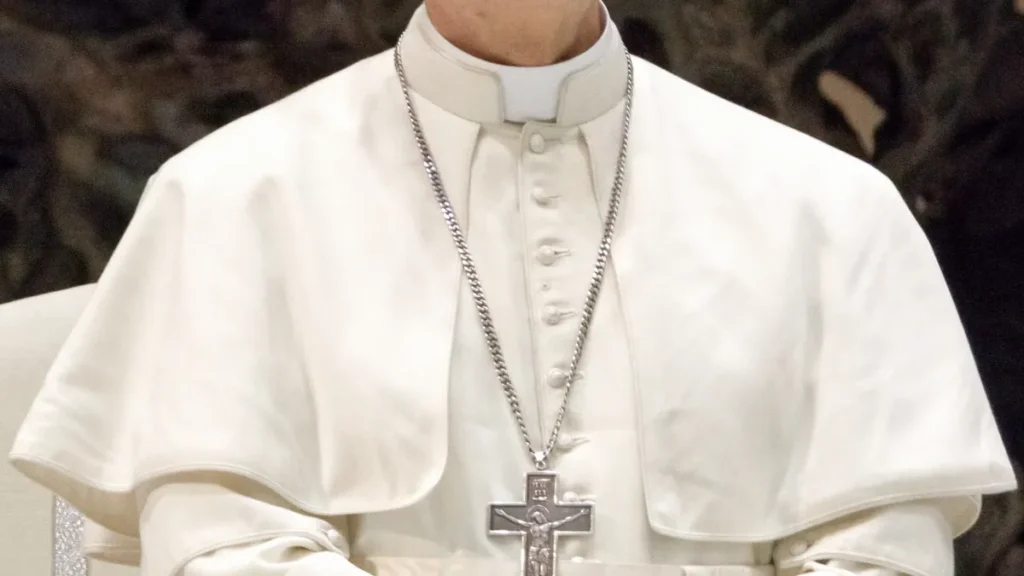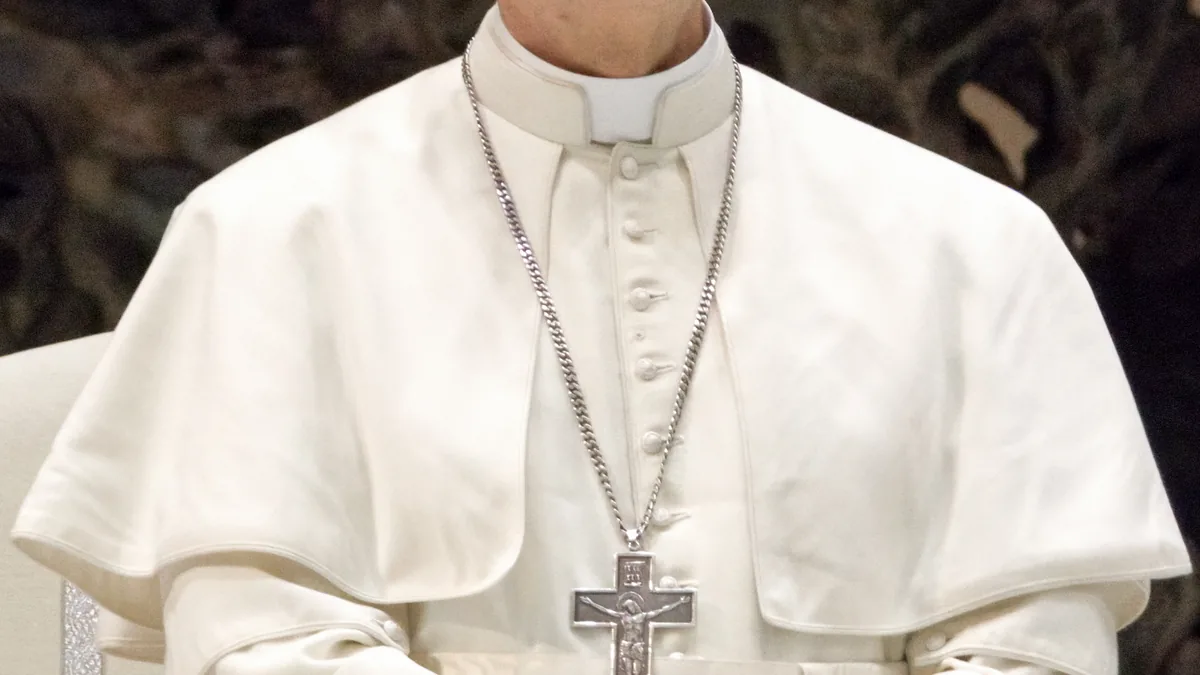
For the first time in more than 2,000 years, the pope is also a voter. Pope Leo XIV, the American-born head of the Catholic Church, cast a ballot in the 2026 U.S. midterm elections, sending a mail-in vote from the Vatican. The move, confirmed by the Vatican itself, makes him the first pontiff in recorded history known to have voted in a political election.
The Holy See Press Office confirmed on Friday, Oct. 30, 2026, that Pope Leo XIV voted in the U.S. midterm elections. “Pope Leo XIV has exercised his right to vote as a United States citizen,” the Vatican statement said, adding that “in keeping with this long-standing practice of civic participation, he has submitted his mail-in ballot in Chicago.” Mail-in voting has been at the center of legal fights this cycle, including a recent ruling in which an appeals court blocked a Trump administration order on mail-in ballots. The midterms will be held on Tuesday, Nov. 3, 2026, and Illinois lets voters vote by mail and in person before Election Day, adding to an early-voting surge across the country.
The pope is Robert Francis Prevost, born in Chicago on Sept. 14, 1955, the first U.S.-born pope. He also holds Peruvian citizenship from the years he served as a bishop there. The Vatican said Leo had also voted when he was eligible during his time living in Peru, framing the act as one of steady citizenship rather than a single political gesture, as the Chicago Sun-Times reported.
Why it matters. Popes have long kept clear of any one country’s politics to keep the office neutral across borders. A pontiff casting a ballot in U.S. elections, in his birth country’s midterm races, breaks with that tradition and will renew debate about the place of religion in American politics. For the roughly 60 to 70 million U.S. Catholics, it also puts a personal face on how faith and citizenship meet in the voting booth.
A Chicago Boy Who Became Pope
Prevost grew up in Chicago, joined the Augustinian order, and trained as a canon lawyer in Rome. He spent years as a missionary and parish pastor in Peru, became a bishop there, and took Peruvian citizenship. Pope Francis brought him back to Rome in 2023 to lead the Dicastery for Bishops, made him a cardinal, and he was chosen as pope in the 2025 conclave as a surprise candidate few had counted on.
Why the Vatican Spoke Up
The statement stressed civic duty. “The Holy Father expresses his belief in the right and the duty of citizens to participate in democratic processes,” it said. It was careful to frame the vote as an ordinary act of citizenship, not an endorsement, and did not say how the pope voted or on which races. Observers note the rarity: no pope is known to have publicly voted in a national election before, in part to protect the spiritual neutrality of the office.
The midterms on Nov. 3 will decide control of Congress and many state governorships, in races ranging from tight contests like Alaska’s disputed Senate race to governorships across the country. Pope Leo’s ballot is already casting a long shadow over the campaign, and both parties are likely to weigh in on what it means. The Vatican has said nothing beyond confirming the vote, and the pope has not commented further. Check back for updates as the elections draw near.