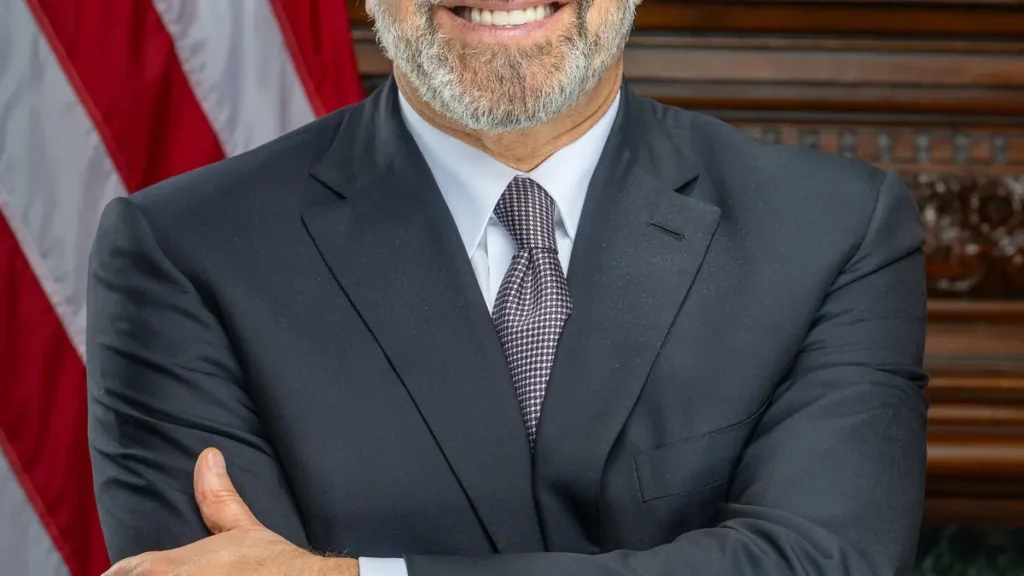
Commerce Secretary Howard Lutnick has been drafting regulations that would directly affect the business interests of his former firm, Cantor Fitzgerald, a New York Times investigation has found.
The Conflict
In Malaysia’s southern peninsula, a data center known as A201 is set to open next year packed with hundreds of millions of dollars in Nvidia’s most advanced artificial intelligence servers. The facility plans to supply this computing power to a Chinese tech giant, legally sidestepping U.S. rules that ban sales of cutting-edge chips directly to Chinese firms.
The company operating A201 is Bitdeer, a Singaporean firm that has been a client of Cantor Fitzgerald since 2024. Cantor served as designated sales agent for Bitdeer equity offerings totaling up to $1 billion this year alone, including a $250 million stock offering arranged in 2024.
Lutnick led Cantor Fitzgerald for decades before joining the Trump administration last year. He recused himself and handed leadership to his sons. The Commerce Department says he has complied with all ethics agreements.
What the Rules Would Do
The Trump administration bans sales of the most advanced AI chips to China. But it has debated for two years how far to limit chip sales to data centers in Southeast Asia that provide computing power to Chinese companies.
China hawks argue these data centers let Beijing do an end run around the chip ban. Officials on the other side, most prominently Lutnick, have pushed against going too far in limiting U.S. companies like Nvidia from selling products in Asia.
Recently, Lutnick has advocated a less stringent version of controls under consideration, which would give the U.S. government more oversight of chip sales to international data centers but cut back less on Nvidia’s business.
A Pattern of Soft Touch
This is the latest example of what critics call Lutnick’s soft touch on chip regulation. Over the past year, he has frequently clashed with top administration officials over how to regulate Nvidia’s chip sales to Asia.
Most senior Trump administration officials agree the United States should more aggressively tighten controls on Nvidia’s advanced chips to keep China from catching up in the AI race. Lutnick has been the primary voice pushing against stricter limits.
The issue exploded into public view in recent weeks after revelations that Nvidia CEO Jensen Huang was in a relationship with Alice Huang, a top executive at Megaspeed, a Singapore company suspected of smuggling Nvidia chips to China. Huang stepped down on Nov. 12, sending Nvidia shares tumbling.
Previous Investigation Halted
A Commerce Department investigation into Megaspeed was abruptly transferred to the Justice Department late last year. The shift came after Nvidia’s general counsel, Tim Teter, emailed Commerce investigators about the case, invoking the name of Jeff Kessler, a top Commerce official nominated by Trump.
Agents were alarmed that Nvidia had invoked their superior’s name, viewing it as a violation of government procedure that potentially tainted the case, according to current and former officials.
What This Means for Chip Policy
The overlapping relationships raise questions about whether the influence of Nvidia and its allies has kept the United States from moving faster to clamp down on chip sales to companies that serve Chinese clients. China hawks warn that allowing advanced chip sales to data centers serving Chinese firms speeds China’s AI development and gives it an economic and military edge, echoing concerns raised when Treasury Secretary Bessent blamed Lutnick’s Commerce Department for failing to restrict chip flows.
Cantor Fitzgerald’s dealings with Bitdeer and other data center companies are a tiny portion of its business, which stretches from investment banking to real estate. Other investment banks have similar partnerships. There is no evidence that Cantor’s investments influenced Lutnick’s deliberations, the Times found. The case highlights broader cybersecurity risks in the chip supply chain, reminiscent of the North Korean hackers’ $400 million crypto theft via fake video calls.
Why the Data Center Loophole Matters
Data centers like A201 operate in a gray zone: they are outside China but provide AI computing power to Chinese companies. Financial conflicts in tech regulation are not new, as seen in the Crypto King Aiden Pleterski trial where court-appointed inspectors faced allegations of misconduct. The regulations Lutnick is drafting will determine whether this loophole narrows or stays open.