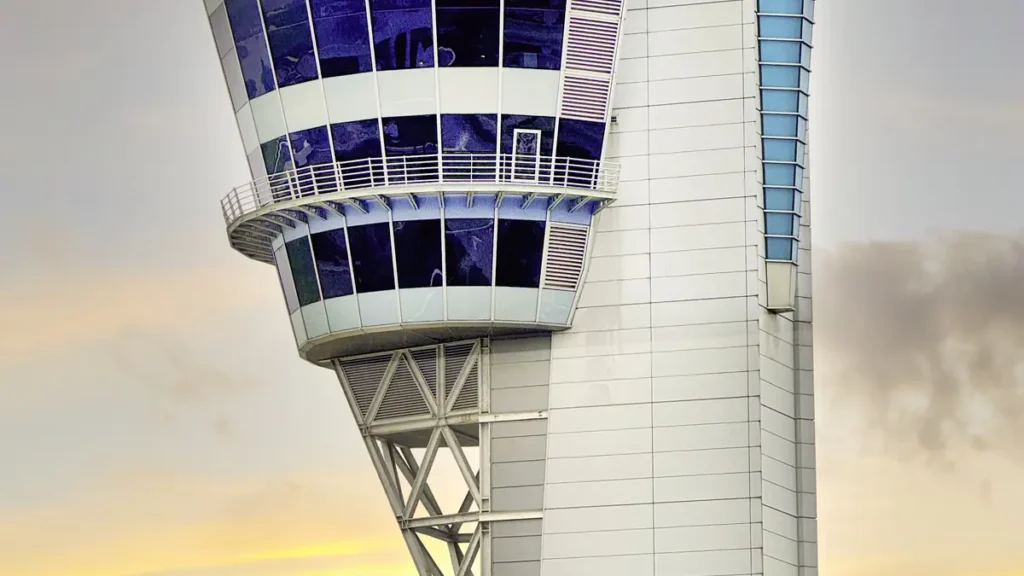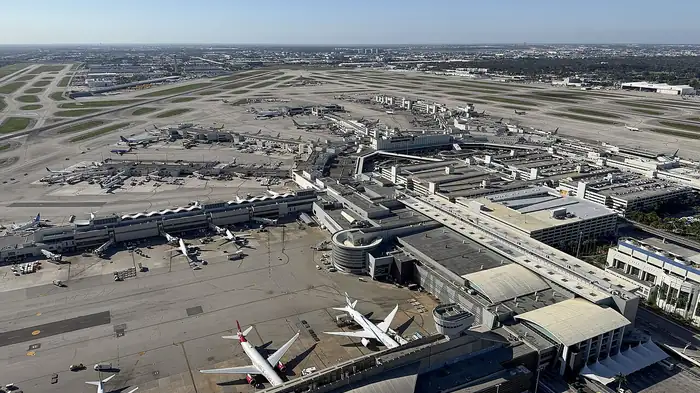
The Federal Aviation Administration’s third nationwide ground stop this century was triggered by a routine equipment upgrade that went catastrophically wrong, federal officials confirmed Saturday.
What Happened
On Friday afternoon, L3 Harris contractors began replacing aging analog copper wire with modern fiber optic cable at a remote air traffic facility. The changeover flooded the national air traffic network with data it could not handle, triggering a cascade of communications failures between controllers and pilots.
Sean Duffy, the transportation secretary, told reporters the work was expected to be routine. The location was small and remote enough that a Friday afternoon upgrade posed no meaningful disruption, he said. That presumption proved wrong.
When officials isolated the location and took it offline, system functionality was restored. The ground stop halted takeoffs nationwide for hours. By Saturday, thousands of flights had been cancelled and airports remained crowded with stranded travelers.
Why This Matters for Travelers
Airlines are still repositioning planes and rebooking passengers, a process Duffy said will likely take days. The FAA is prioritizing larger commercial flights over private and charter operations. Travelers facing rebooking scrambles should expect continued delays through the weekend and into next week.
A Pattern of Failure
Friday’s breakdown was not an isolated incident. Two months ago, a circuit failure and severed fiber optic cable caused crippling ground stops along the East Coast. Smaller outages unfolded in October at Raleigh-Durham International Airport in North Carolina and George Bush Intercontinental Airport in Houston when contractors accidentally cut into fiber lines.
L3 Harris manages the FAA’s effort to shift from analog copper lines to a nationwide fiber optic network. The company recently boasted 70 percent completion of such upgrades, a figure Bryan Bedford echoed. Bedford characterized the work as “sustainment,” not modernization.
The failures have raised questions about whether federal authorities have done enough to create backup systems, similar to concerns raised during the Microsoft global outage that grounded flights worldwide. Duffy demanded Congress approve $50 billion in emergency funds for systemwide upgrades, tens of billions more than previously requested. He accused lawmakers of failing to fund the project.
No Cyberattack, Officials Say
Markwayne Mullin, the homeland security secretary, stressed there was zero evidence of nefarious activity. The failure stemmed from new equipment and technology added to old infrastructure overwhelming the system, he suggested.
Duffy insisted the root cause was antiquated legacy equipment, not recent upgrades. “What we have is an incredibly old air traffic control system,” he said, predicting continued failures until significant upgrades are made.
What Investigators Are Still Determining
Officials have not determined whether L3 Harris made installer errors or installed a faulty router. Representatives for L3 Harris did not immediately respond to requests for comment Saturday.
Duffy said his department is working to determine whether the fault was user error, installer error, or faulty equipment. The answer will shape accountability for the third nationwide ground stop this century.
How Long Until Normal Operations Resume
Duffy warned recovery would take time and predicted flight schedules would be fully back to normal by the Thanksgiving travel season. The incident underscores how critical infrastructure resilience has become, much like the advances seen in SpaceX Starship recovery systems. The FAA will prioritize larger commercial flights ahead of private and charter flights during the recovery period.