Gas started flowing from the Jackdaw field in the North Sea on Monday, three weeks after the UK government cleared it for production and at the start of the winter heating season.
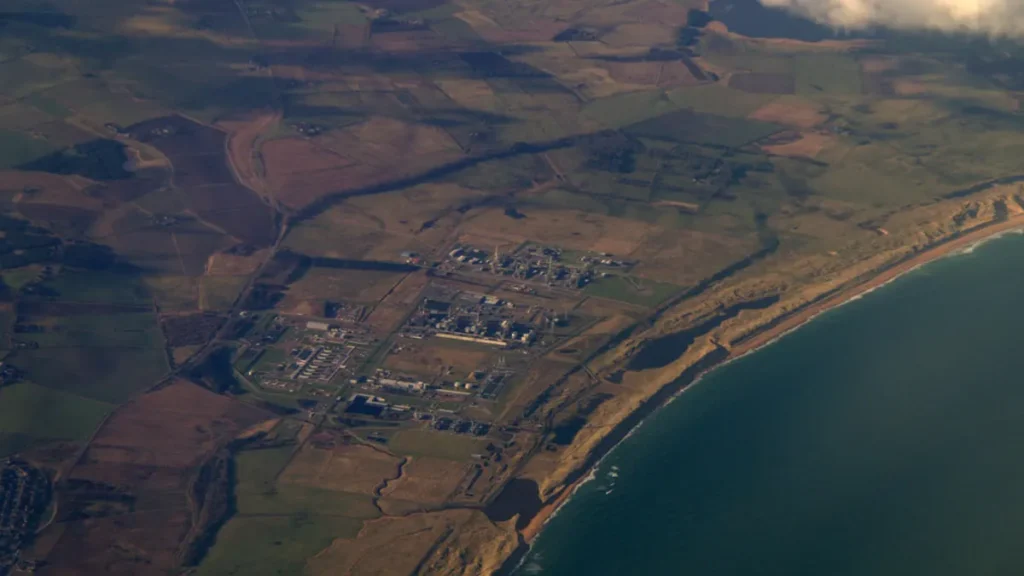
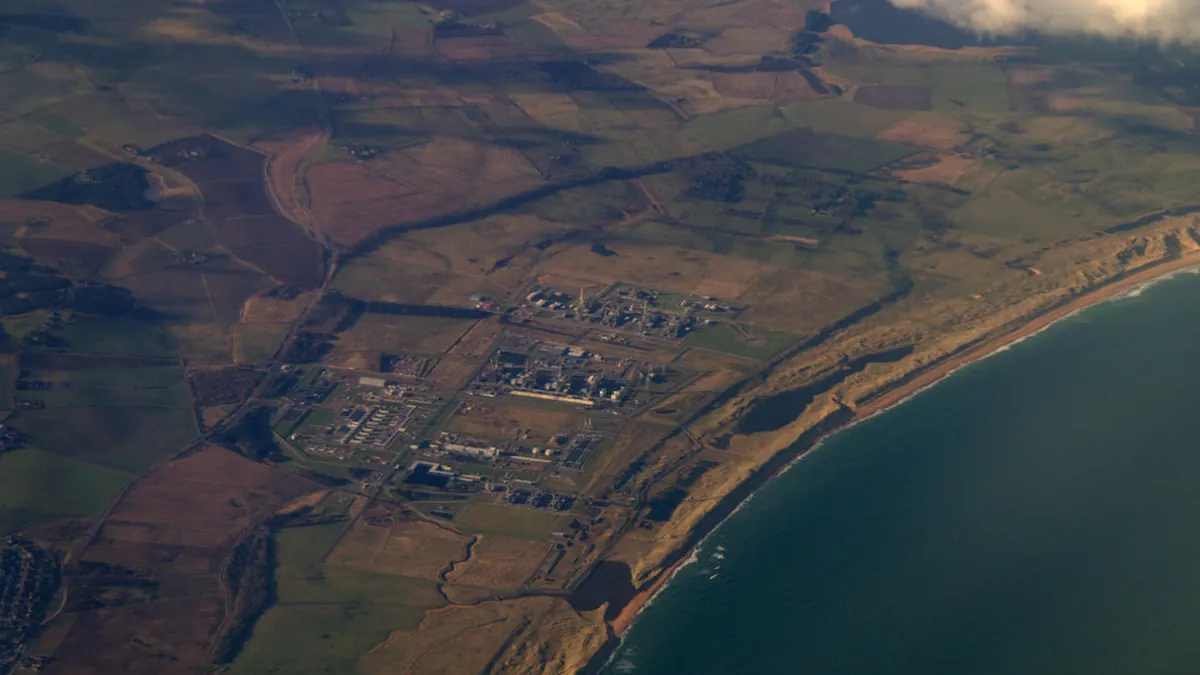
The field lies about 150 miles east of Aberdeen. Its operator, Adura, says the gas will reach the St Fergus terminal in Aberdeenshire through the existing Shearwater platform. Adura is a joint venture between Shell and the Norwegian state energy company Equinor.
Energy Secretary Miatta Fahnbulleh said the project would “help to heat millions of British homes and businesses this winter and beyond.” Ministers put the economic value at about £2.9 billion over an 11-year lifespan, and say it will protect hundreds of jobs.
The direct consequence for households is narrower than the political language suggests. Adura says Jackdaw will supply about 6% of UK gas production, enough to power 1.4 million homes. Once imports are counted, that is roughly 2% of total UK demand. The government has itself said the field will do little for energy security and nothing to lower domestic gas and electricity bills.
A legal fight that ran for four years
Jackdaw was first approved by the Conservative government in June 2022. Greenpeace challenged that decision, and in January 2025 the Court of Session in Edinburgh ruled that consent for Jackdaw and the larger Rosebank oil field had been granted unlawfully. The judge, Lord Ericht, said developers had to account for the climate impact of the fuel being burned, not only the emissions from extracting it. That followed the Supreme Court’s Finch ruling in 2024, which changed how North Sea projects are assessed.
Adura published fresh information about both fields in July 2026 under a court order, consultations closed in August, and the Labour government approved extraction at Jackdaw in October.
The approval drew criticism from Labour backbenchers and environmental groups. The Scottish Greens co-leader, Ross Greer, called it “climate vandalism.” Greenpeace said it was the wrong decision on bills, energy security and climate. Oxfam accused the government of drilling “straight through the UK’s climate commitments.”
That criticism now sits next to a separate argument inside the same party. A letter opposing the Rosebank oil field off Shetland has already been signed by 75 Labour MPs, with as many as 100 expected. Rosebank holds an estimated 300 to 500 million barrels of oil. The energy secretary is said to be minded to reject it, while Chancellor John Healey supports the project. Rosebank’s oil would be taken away by tanker and sold internationally, unlike Jackdaw’s gas.
What the numbers do and do not say
Adura says Jackdaw and Rosebank together should generate £1.4 billion in tax revenue before the end of this parliament, rising to £3.8 billion by the end of the next.
Campaigners counter that new oil and gas does not lower bills and that the summer heatwaves show why the UK should not approve more fossil fuel projects. The field’s backers argue it reduces reliance on imported gas with higher emissions.
A decision on Rosebank has not been taken. Energy markets in the meantime remain exposed to disruption elsewhere: tanker attacks in the Strait of Hormuz have already lifted war-risk premiums, and any escalation there would hit imported fuel costs rather than domestic production.
The practical takeaway for readers is that Jackdaw adds a modest volume of UK gas ahead of winter, but it will not change what households pay. The larger question for the government is whether it approves Rosebank, and how many of its own MPs are willing to vote against it.