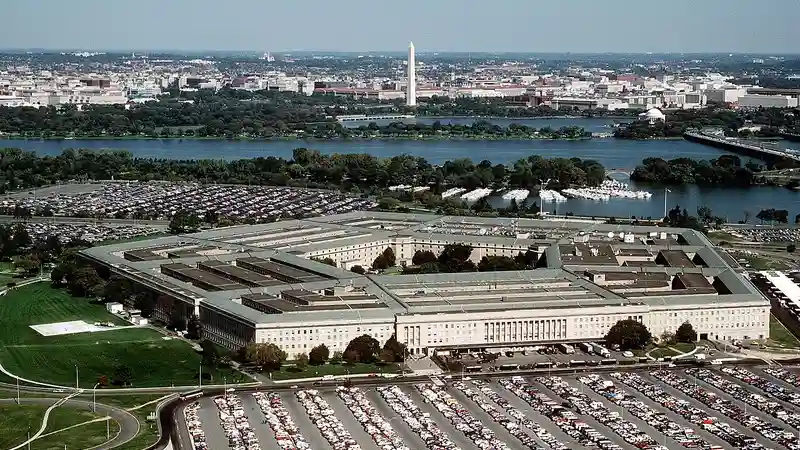
Many citizens wonder whether the defense partnership between Washington and Ottawa is beginning to crack under political strain. The United States and Canada protect North America through closely integrated military agreements. Troops from both nations track northern skies together and monitor maritime approaches. Any sudden breakdown in cooperation would weaken security across the continent. People on both sides of the border want clear facts about these historic military ties.
United States Defense Secretary Pete Hegseth circulated the classified memo last week, imposing fresh limits on military relations with Canada. The Washington Post first reported the confidential guidance on Friday, November 20. Post reporters did not inspect the classified document directly, relying instead on government officials familiar with the contents. One official stated that Canadian leaders would likely view this policy shift as “slap in the face” treatment.
Pentagon spokesman Sean Parnell responded to the report. As detailed in reporting from Anadolu on the defense directive, he defended the guidance. He stated the Pentagon is “taking steps to ensure its engagements with Canada advance tangible US defence objectives.” Parnell stressed that the directive will not disrupt defense intelligence sharing or long-standing cooperation through NATO and NORAD.
For most citizens, the immediate practical impact remains diplomatic rather than operational. Frontline intelligence networks, mutual missile defense, and joint air surveillance remain active across the continent. Canadian defense officials confirmed that field units still operate together without interruption. The report did not specify which programmes would be affected. Ordinary residents will not see gaps in border security, but defense contractors and military planners face growing friction between Washington and Ottawa.
Officials familiar with the guidance described restrictions on routine bilateral defense initiatives. These bureaucratic hurdles come amid broader diplomatic friction between the neighboring governments. President Donald Trump remarked on Friday that Canada felt “emboldened” and claimed Washington could no longer permit that dynamic. Officials also noted ongoing disputes over steel and aluminum tariffs, Canadian retaliatory measures, and rhetoric surrounding continental borders.
Bilateral Tensions and Northern Defense Plans
Canadian leaders pushed back against suggestions of deeper military division. Speaking to Reuters on Saturday, November 21, Canadian Defence Minister David McGuinty said he had not seen the confidential memo. As reported in Firstpost coverage, he stated: “I still see no daylight between what we’re doing, military to military, and otherwise.” McGuinty affirmed that service members collaborate “hand in glove” on Caribbean drug interdiction missions. He added that joint efforts continue smoothly across integrated missile defense batteries and rapid fighter jet scrambles.
McGuinty praised the 70-year NORAD partnership, calling it an extremely effective continental defense system. He pointed out that Canada met NATO spending expectations last year by reaching two percent of gross domestic product on defense. Ottawa now plans to expand military spending toward five percent of gross domestic product by 2035. Canada is also constructing its own independent satellite communications network to rival commercial providers like Starlink.
Broader geopolitical tensions continue influencing talks between Washington and Ottawa. Friction over defense spending intersects with disputes over trade tariffs and foreign economic policies. Canadian leaders firmly rejected annexation rhetoric, emphasizing that their nation remains not for sale. Meanwhile, the Pentagon faces intense domestic scrutiny amid political battles surrounding Pete Hegseth. Both nations also remain bound by mutual defense obligations, including collective defense commitments under NATO. An intelligence official from the Five Eyes alliance discussed confidential information flows. The official noted that while sharing continues without formal change, American agencies shared less data over the past year.
North American defense systems continue running despite tensions between political leaders. NORAD radar stations and joint air patrols operate without disruption. Canadian defense planners are pushing ahead with higher budgets and sovereign satellite projects. Bilateral coordination faces bureaucratic delays rather than sudden collapse. Whether Ottawa issues formal diplomatic protests remains the next development to monitor.