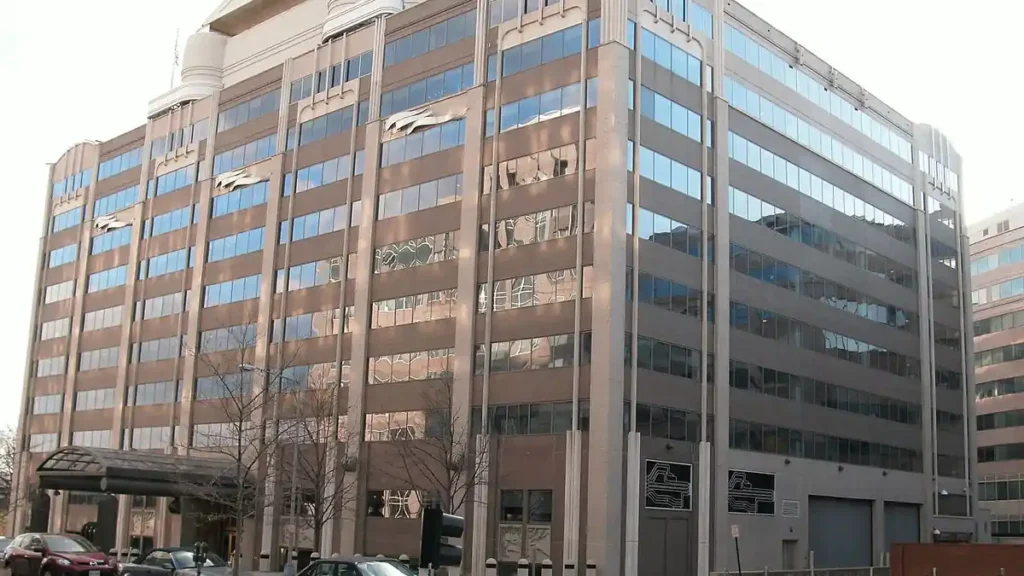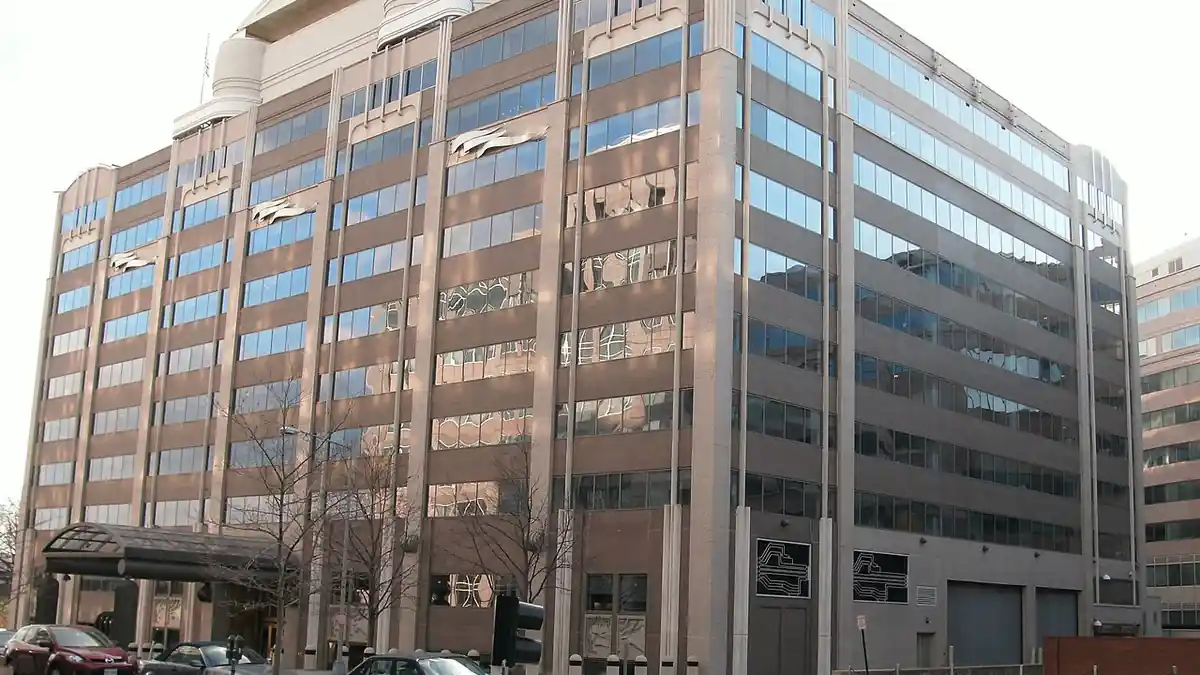
If you watch ABC’s local news, the station you trust could have faced a license review because the president disliked its coverage. A federal judge stopped that review on November 25, 2026. Eight ABC-owned stations in the country’s largest markets were at stake. The judge wrote that the case was “not a close case.”
This FCC ABC broadcast licenses court ruling came from Judge Loren L. AliKhan in the U.S. District Court for the District of Columbia. The judge granted a preliminary injunction in ABC, Inc. v. FCC. The plaintiffs are ABC, its parent company The Walt Disney Company, and eight ABC-owned stations. Those stations are WABC in New York, KABC in Los Angeles, WLS in Chicago, WPVI in Philadelphia, KTRK in Houston, KGO in San Francisco, WTVD in Durham, and KFSN in Fresno. Seven of the eight rank first in local news viewership. The eighth ranks second. The defendants include the Federal Communications Commission and its chairman, Brendan Carr.
In April 2026, the FCC ordered the eight stations to file early license renewals. Those renewals were not due until 2028 or later. The FCC said the order grew out of a diversity, equity, and inclusion investigation. It opened that probe into Disney and ABC in March 2025. The FCC said it had not received the documents it needed. ABC says the review is retaliation for coverage the president dislikes. The company argues that the review violates the First Amendment.
What the FCC ABC broadcast licenses court ruling means for viewers
Your local ABC station keeps its license while the case goes on. The FCC cannot move forward with the early review for now.
The chilling effect is still real, though. A chilling effect is pressure that makes a company hold back. ABC points to changes it made under that pressure. The judge heard about those changes as part of the case. The precedent matters too. A president cannot use the FCC to punish unfavorable coverage. The judge’s finding that the FCC chairman took the president’s cue will make that harder for future administrations to repeat.
How the judge reached the ruling
The first question was whether this court could hear the case at all. The FCC argued that challenges to its orders belong in a special appeals process under the Hobbs Act. The judge disagreed. Under a Supreme Court test called Thunder Basin, a claim can stay in district court when Congress did not intend that claim to go through the agency’s review process. The judge found that ABC’s constitutional claims fit that description.
On the merits, the judge applied the Mt. Healthy test. That 1977 Supreme Court case asks whether protected speech was a substantial or motivating factor in the government’s action. If it was, the government must show it would have acted anyway. The judge called the case “not a close case” and found strong circumstantial evidence. That evidence included years of hostility toward ABC from Trump. Trump called ABC “most dishonest” in September 2024 and said its license should be taken away. Trump named Brendan Carr as FCC chairman in January 2025. The evidence also included timing. In November 2026, Trump attacked Jimmy Kimmel. The FCC acted the next day.
The judge wrote that the FCC chairman had taken the president’s rhetoric as “marching orders.” The judge also said the DEI reason looked like a pretext, meaning a cover for a different motive. The probe began in March 2025. The early renewal order came about 13 months later, in April 2026. That order was unusual. The FCC has not ordered early renewals like this in more than 50 years.
The judge also looked at changes at ABC. The network posted a Kimmel guest interview to YouTube, where the FCC has no authority. It also livestreamed a Trump speech in July. ABC treats those moves as evidence of the chilling effect.
The judge found that ABC faced irreparable harm. The judge wrote that any broadcaster of ordinary firmness, wealthy or not, would think twice when facing an existential threat to its business. The judge set the bond at $1. The injunction bars the FCC from further action against ABC in the early renewal proceedings. That includes issuing a Hearing Designation Order, a step that would send the licenses toward a formal hearing.
The judge also declined a broader request. ABC asked the court to stop all FCC actions, formal or informal, that coerce or threaten sanctions. The judge rejected that part as insufficiently specified. The judge did note that the FCC “may enforce the law in the manner it sees fit.” The limit is that the agency “may not retaliate against or punish” license holders for disfavored speech.
Readers tracking this issue can read our coverage of FCC approval of SpaceX satellite plans. Our reporting on Trump’s media and tech platform moves covers related ground. The Mamdani rent freeze ruling shows another federal court weighing executive pressure. The Iowa court order on explosives disposal illustrates judicial limits on agency action.
Can the FCC revoke a TV station’s license for political reasons? The general answer is no. The First Amendment bars the government from punishing speech through its licensing power. Licenses are treated as property rights, and the FCC must follow the statutory process before taking one away. This ruling does not decide any revocation. It blocks an early review that the judge saw as a pressure tactic.
One judge, two rulings, one day
The same judge handled both cases on November 25 and ruled in opposite directions. In the ABC case, the judge said the retaliation claim was “not a close case,” and blocked the FCC review. In the DNC case, the judge said the harm from the government ads was too speculative, and refused to block them. The two rulings draw a line. When the government targets a broadcaster for its speech, a court will act. When challengers ask a court to police government messaging after an election has passed, the court holds back.
What happens next
The case continues. A compliance report is due on December 2. A joint status report follows on December 9. The FCC could appeal to the D.C. Circuit. Until then, ABC’s eight stations keep their licenses, and the early review stays blocked.