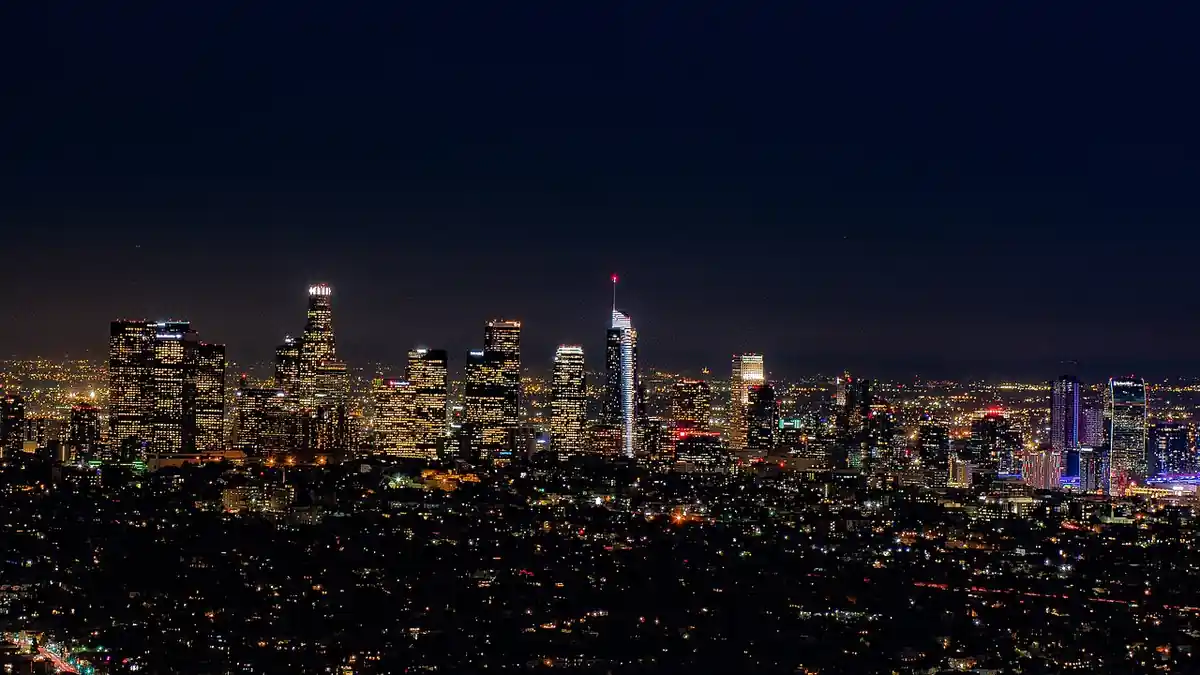
Felt the shake and wondering if your building is safe? You are not alone. This is what we know about the Los Angeles earthquake today, a magnitude 5.0 quake that struck off Manhattan Beach on Saturday morning and rattled homes, offices, and the region’s busiest airport.
The U.S. Geological Survey put the quake’s magnitude at 5.0, with its center in the ocean about 3 miles southwest of Manhattan Beach. The shaking began at about 9:30 a.m. Pacific time on Saturday, November 28. Early coverage described dozens of aftershocks, including a magnitude 4.5 tremor. Caltech seismologist Lucy Jones said it was the first quake of this size in the Los Angeles and Orange County area since a 2014 event near Brea. At Los Angeles International Airport, glass shattered and ceiling tiles fell. A Delta flight was told to abort its landing as the shaking began. Mayor Karen Bass said the city entered earthquake mode and later ended it after initial checks. No injuries were reported, and there was no major damage or tsunami threat.
For the millions of people across Greater Los Angeles, Saturday’s quake was a real-world test of years of seismic policy. The city’s 2015 retrofit ordinance targets older buildings most likely to fail. The ShakeAlert early-warning system sends alerts seconds before strong shaking arrives. The result, no deaths and a short airport disruption, suggests those layers are working. But aftershocks remain possible, and most homeowners are not covered. Standard homeowners policies exclude earthquake damage, and only about 13 percent of Californians carry earthquake insurance. The practical steps are simple: check whether your building has been retrofitted, sign up for ShakeAlert alerts, and ask your insurer about earthquake coverage.
What This Means for Your Building and Wallet
ShakeAlert, run by the USGS and university partners, can give a few seconds of notice before shaking reaches you. That is enough time to drop, cover, and hold on. Alerts reach phones through apps that use the system, so check that yours is turned on.
Los Angeles has tightened building rules since the 1994 Northridge earthquake, a magnitude 6.7 that killed 57 people. The 2015 ordinance requires owners of older wood-frame buildings with weak ground floors, known as soft-story buildings, to strengthen them. Concrete buildings with similar weaknesses face separate rules. If you rent in an older building, ask your landlord for the retrofit permit records.
Quakes also strain the systems we rely on. Ports, water aqueducts, and freeways all depend on structures that must hold up under shaking. Saturday’s damage stayed small, but a stronger quake on the same fault could cut shipping and water service for days. The insurance gap makes this worse. Many homeowners hit by a big quake would pay for repairs themselves. For a sense of how fragile coverage has become across the state, read our report on the atmospheric river threat to Southern California. For emergency planning ideas, see our coverage of the Thanksgiving storm state emergency.
Timing also mattered. The shaking hit on a Saturday, the day after Thanksgiving, when many offices and schools were quiet and traffic was lighter. A weekday strike at the same hour would have caught far more workers in older buildings and far more commuters on the freeways. The airport was busy anyway, which is why the terminal damage drew so much attention.
Was there a tsunami warning for the California earthquake?
No. The quake struck along a strike-slip fault, where two plates slide past each other sideways. Subduction zones, where one plate dives under another, are the faults that can trigger large tsunamis. No tsunami threat was reported.
To recap, a magnitude 5.0 quake shook Los Angeles on Saturday morning, broke glass at LAX, and caused no reported injuries. Aftershocks are still possible in the coming days, and the chance of another quake this size in the next week is small but real. Check back with us for updates on aftershocks and building retrofit deadlines, because the next shake may not come with a warning.