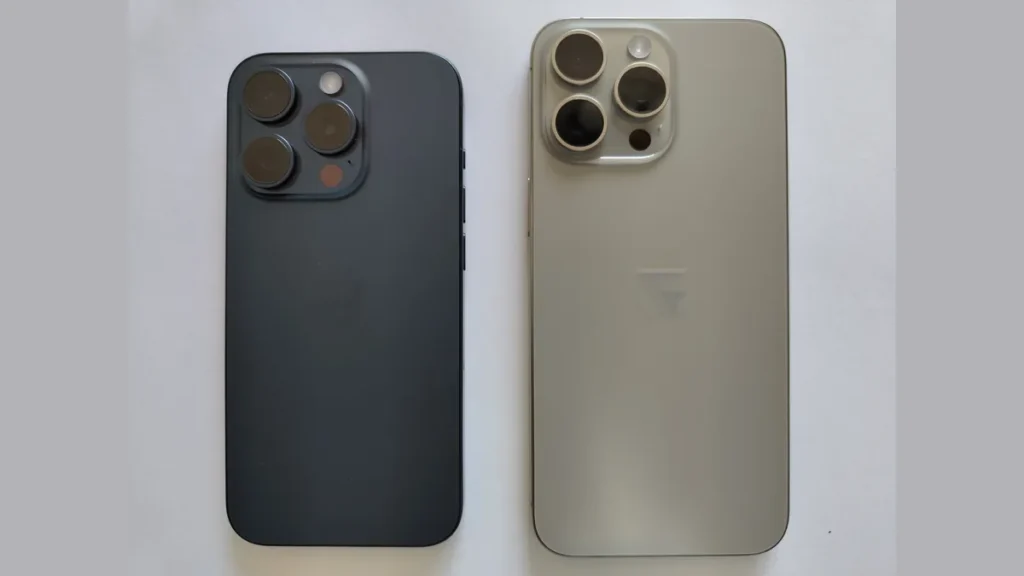
Apple is inviting up to 200,000 Americans to ask an AI chatbot their health questions, then let researchers study how the answers land. The company announced the Apple Health AI Usage Study on November 15, a virtual study run with clinical AI firm OpenEvidence, to learn how people really use conversational AI for medical advice.
The study is open to adults 21 and older in the United States who own an Apple Intelligence-enabled iPhone, meaning an iPhone 15 Pro or later, running iOS 26 or later. Participants download a study app, type in everyday health questions, and can choose whether to share HealthKit data such as resting heart rate, activity, sleep, or lab results. Apple says the study data will not be used to train AI models, and the app shows peer-reviewed citations with each response.
Here is what it means for you. If you have asked a chatbot about a symptom, a medication, or a lab result, this study is a rare attempt to measure whether those answers are clear and worth trusting. Apple says the findings will guide how it designs health features, so the results could shape the health tools on your next iPhone. The cost is sharing personal health information with a research app, even with the privacy promises attached.
What the study will measure
Apple and OpenEvidence say the study will look at four things: what drives user trust, the quality of AI responses, how well people understand what they read, and whether the tools change everyday health actions. OpenEvidence draws its answers from established medical journals including The New England Journal of Medicine, JAMA, and Nature, and the study app links each response back to those sources.
Participants can let the app combine personal HealthKit metrics with their questions to test whether tailored data makes answers more useful. The app also carries safety guardrails that flag concerning questions and point users to a doctor or other resources.
Sumbul Desai, M.D., Apple’s vice president of Health and Fitness, said responsible innovation “starts with scientific rigor and clinical grounding.” Robert M. Wachter, M.D., professor and chair of the Department of Medicine at UCSF, said patients and doctors are using AI tools “built and tested in separate worlds,” and that rigorous study is how the two will connect.
The study arrives as health systems and technology companies race to put AI in front of patients. The AI industry is committing hundreds of billions of dollars to compute, and US public health teams are still chasing outbreaks that spread partly through misinformation, which makes the question of trusted medical answers more urgent. Apple is not the only company testing health AI, but a 200,000-person study run with a clinical AI partner is larger than most.
Will the study change the health advice on my iPhone? Probably slowly. Apple says the study is meant to inform the responsible design of health AI, not to launch a product, so any change to the health features you use would come later and in stages. The practical step for readers is simpler: the study app lets you try a citation-backed health AI and decide for yourself whether you trust it.
Apple says enrollment is open now and the study is virtual, so participants can take part from home. For anyone weighing whether to join, the key facts are the eligibility rules, the option to share HealthKit data, and the promise that study data will not train AI models.