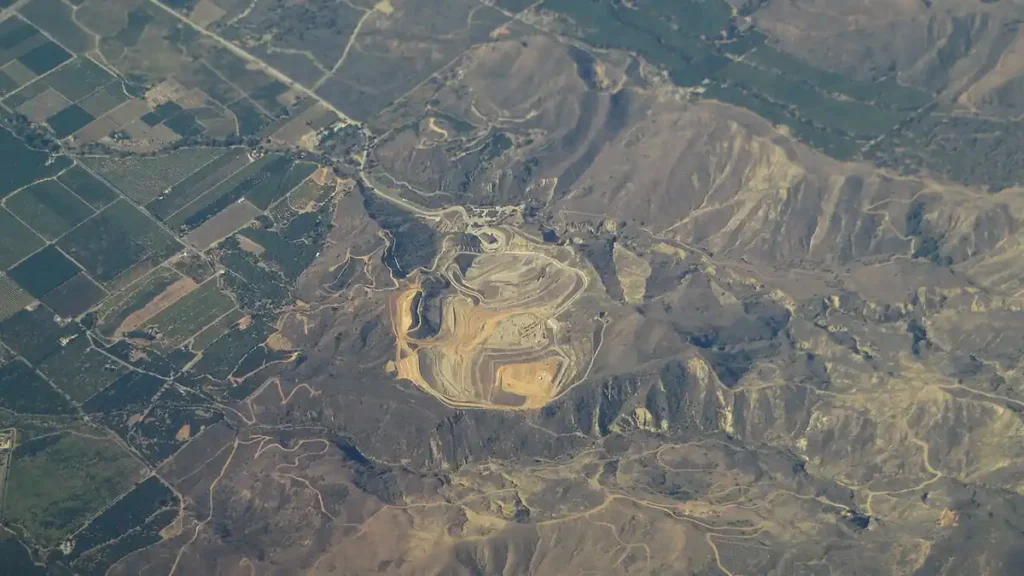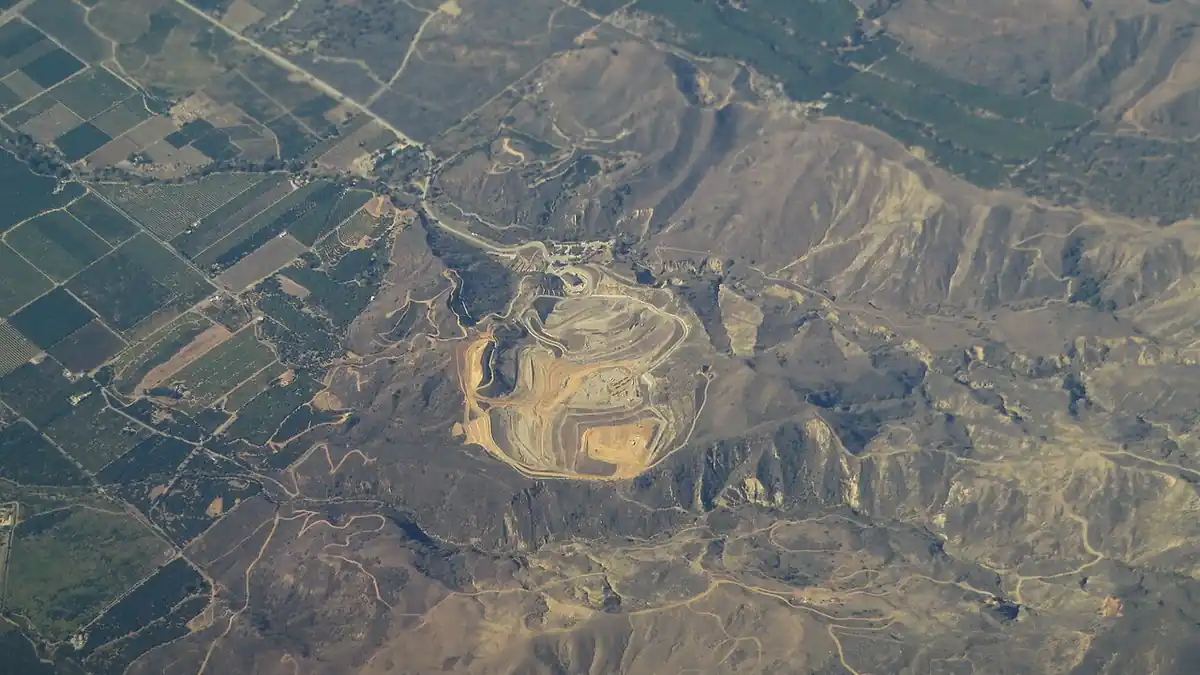
A methane gas geyser erupted at the Chiquita Canyon Landfill in Los Angeles County on Monday, 16 November 2026. The blast sent debris 500 feet into the air. Workers struck a pressurised gas pocket during routine drilling to address heating inside the landfill. Crews capped the leak after seven hours. Four people were taken to a hospital for evaluation, and later local updates reported six injuries. An evacuation advisory covered nearby Castaic.
The release happened at about 4pm near Highway 126 and Henry Mayo Drive. Workers were installing a well to monitor elevated subsurface temperatures when they struck a pipe and hit the gas pocket. The Los Angeles County Fire Department’s Health and Hazardous Materials team capped the leak at 11pm. An evacuation advisory covered three Castaic zones. The South Coast Air Quality Management District received 200 complaints about air quality.
The Los Angeles County Department of Public Health warned residents that strong odours could cause headaches, nausea, dizziness and irritation of the eyes, nose and throat. Officials urged people to stay indoors, close windows and doors, and run air conditioning on circulation mode. The department issued a directive requiring the landfill operator to offer immediate relocation to affected residents. The operator, Chiquita Canyon LLC, said no liquids were released and all drilling had stopped.
The methane eruption at Chiquita Canyon Landfill
Chiquita Canyon Landfill has been a source of concern for residents and state officials for years. The 639-acre site opened in 1972 and stopped accepting waste on 1 January 2025. Even closed, it continues releasing gas. The Environmental Protection Agency has documented elevated subsurface temperatures since May 2022. Those high temperatures mean chemical reactions continue deep inside the pile of waste.
On 16 November, crews were drilling to install a new temperature monitoring well. This was a routine mitigation measure, not emergency work. Workers struck a pipe and ruptured a pressurised pocket of methane. The gas shot upward with such force it carried debris 500 feet into the air.
The evacuation advisory covered three neighbourhoods: CAS-VALVERDE-A, CAS-HASLEY and CAS-HILLCREST. Residents were told to stay indoors and close windows when odours were strong. The fire department reported no hazardous gas readings at the site itself, though the smell was intense enough to trigger 200 air-quality complaints.
Is the air around Chiquita Canyon Landfill safe? The Los Angeles County Department of Public Health said the fire department had not detected hazardous findings. However, strong odours can cause headaches, nausea, dizziness and irritation of the eyes, nose and throat. The department urged residents to stay indoors and close windows and doors when odours are strong.
State officials had been pursuing the operator for months. Los Angeles County filed a lawsuit against the operators in late 2024. In October 2026, California Attorney General Rob Bonta and the Department of Toxic Substances Control also sued, accusing Chiquita Canyon LLC of mishandling hazardous waste and producing toxic gases and liquids that harmed residents. A state audit published on 30 September found that LA County Public Health failed to consistently inform residents about air quality and possible health effects, even when operator data showed chemical levels exceeding state thresholds. Residents reported headaches, nausea and respiratory problems. Assemblymember Pilar Schiavo, who requested the audit, said it confirmed residents’ complaints. LA County Supervisor Kathryn Barger demanded answers and accountability.
The underground problem is long-term. The chemical reaction is expected to continue for years. Methane and other gases will keep forming as waste decomposes. The landfill operator has to manage this constantly. The November eruption shows the risks of doing so.
The operator has been directed to offer relocation assistance to affected residents. The landfill stopped accepting waste in January 2025, but managing the site will require years of continued work.