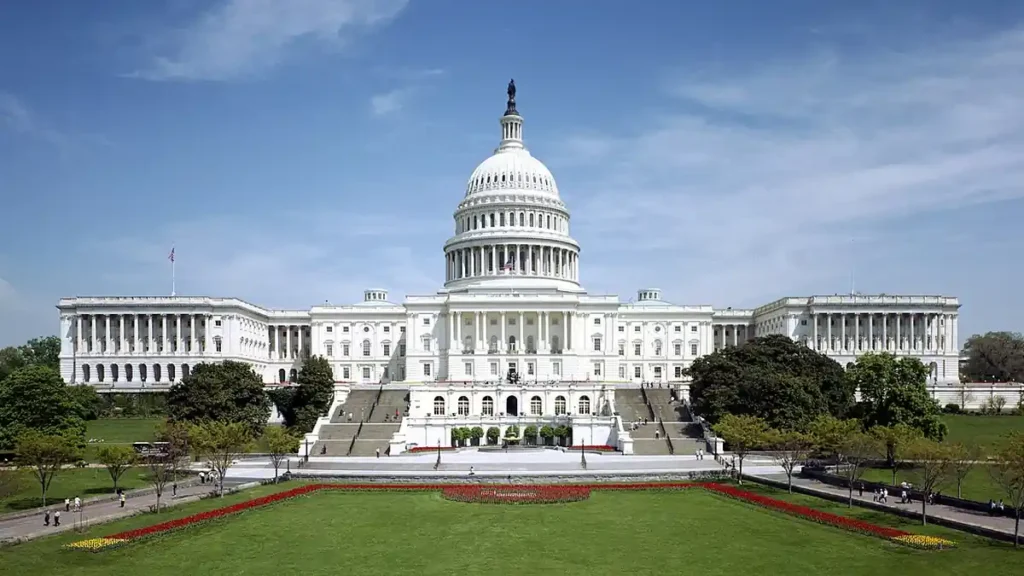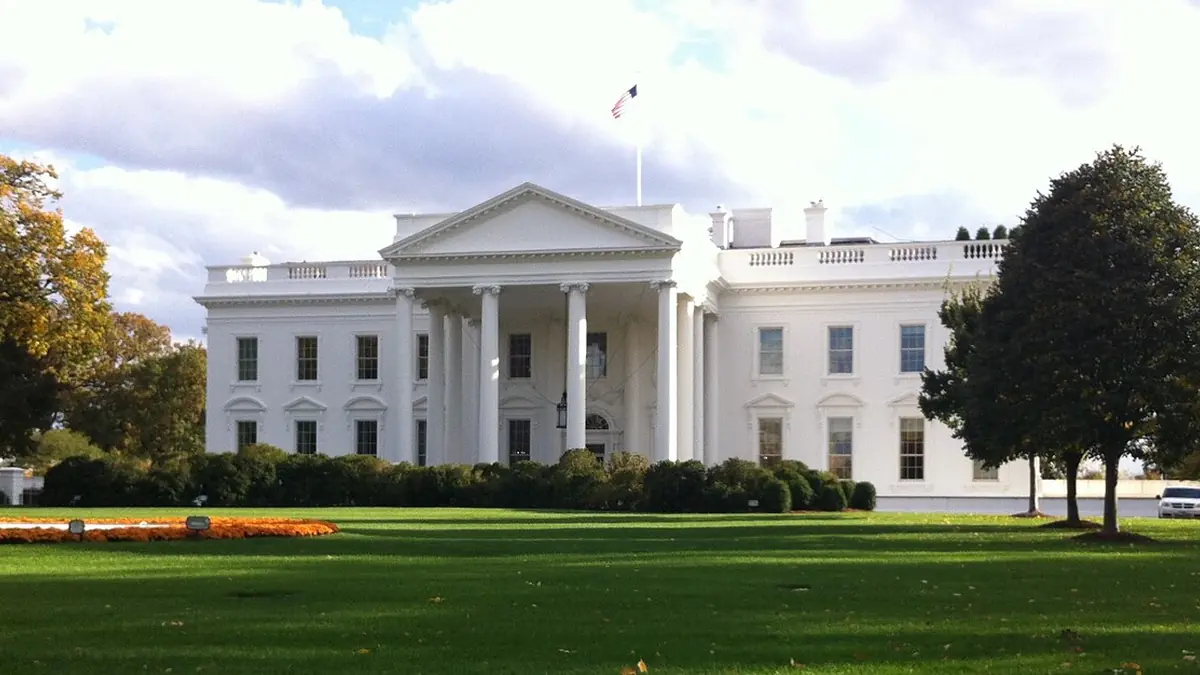
United States President Donald J. Trump signed Executive Order 14438 on November 20, 2026, officially titled “Protecting the Executive’s Privileges and Enhancing Efficiencies in Federal Contracting.” Executive Order 14438 requires federal contractors and subcontractors to notify the White House and their contracting agencies of any pending or future congressional request about their communications or work with the executive branch, and to comply with instructions to withhold material the White House or agency determines is protected by executive privilege. Under this policy, contractors must obtain government guidance regarding communications tied to federal contracts prior to releasing documents to lawmakers.
Mandatory Notification Rules for Federal Contractors
Section 2(a) dictates that federal contractors must immediately notify both contracting agencies and White House officials regarding pending or future congressional inquiries concerning contractor work or communications with executive departments. Additionally, contractors must follow instructions issued by these government entities about withholding communications identified as protected by executive privilege. Under Section 2(c), these mandates extend across all tiers of government procurement, requiring prime contractors to guarantee that subcontractors comply with every directive to report inquiries and withhold protected material.
Section 1 states that Congress cannot seek records from executive departments, agency employees, or commercial contractors without demonstrating a valid legislative purpose that avoids intruding on core presidential authority. This directive asserts a compelling government interest regarding confidentiality, restricting outside contractors from releasing internal communications during legislative inquiries. Furthermore, Section 6(c) clarifies that this directive creates no enforceable private legal rights or benefits against United States agencies, leaving compliance strictly under executive administration.
Administrative Enforcement and Procurement Penalties
Section 3(b) tasks the Office of Management and Budget with producing formal guidance for interagency coordination and contractor compliance. Section 4 establishes administrative penalties for noncompliance, directing federal agencies to consider all appropriate remedies against companies that fail to obey. These consequences include contract cancellation, immediate termination of existing agreements, and formal suspension or debarment from bidding on future federal work, placing significant commercial pressure on government vendors.
Midterm Shift Sparks Legislative Oversight Friction
This policy follows political shifts from November 3, 2026 midterm elections, where Democratic candidates secured majorities across both congressional chambers. With this newly elected Congress convening early January, incoming committee leaders are preparing wide-ranging inquiries into executive operations. Planned investigations focus on corporate donations supporting White House construction projects, alleged political interference at the Department of Justice, and negotiations between government officials and major pharmaceutical firms. Addressing these coming oversight efforts, House Speaker nominee Hakeem Jeffries stated, “There is a cost to corruption.” Representative Robert Garcia, anticipated to chair the House Oversight Committee, stated that “investigations will lay the groundwork for legislation which helps all Americans. This is just the beginning.”
Executive Order 14438 builds on administrative actions initiated earlier by White House counsel Will Scharf. On November 16, Scharf issued a directive requiring federal personnel to secure permission from his office and the White House Office of Legislative Affairs before committing to provide testimony before congressional committees. Two days later, a November 18 letter instructed committee leaders to hold back on submitting official information demands until the next legislative session formally convenes, demonstrating an administrative effort to manage interbranch communications before January.
Legal challenges remain anticipated if agencies employ this order to block compliance with valid congressional subpoenas. Historically, federal courts retain constitutional authority to review executive privilege assertions and balance legislative oversight rights against executive confidentiality. By extending executive privilege directives directly to private vendor operations, the order creates a direct legal dispute regarding whether commercial entities can lawfully decline congressional subpoenas based on White House administrative instructions.
For taxpayers, government vendors, and corporate employees across federal supply chains, this order creates direct operational disruptions and legal liability. Workers handling federal contracts must now navigate conflicting legal commands between congressional subpoenas and executive withholding instructions, risking career debarment or contract termination if corporate disclosures breach administration mandates. Furthermore, because government vendors face operational penalties for unauthorized transparency, members of the public will experience reduced visibility into taxpayer-funded procurement programs, corporate contributions, and executive branch contracting decisions until federal courts settle jurisdictional conflicts between Congress and the presidency.