The United States and Venezuela have signed an agreement to restart military cooperation that was cut years ago. It covers training, equipment and intelligence sharing. US Defense Secretary Pete Hegseth announced it during an unannounced visit to Caracas on Wednesday.
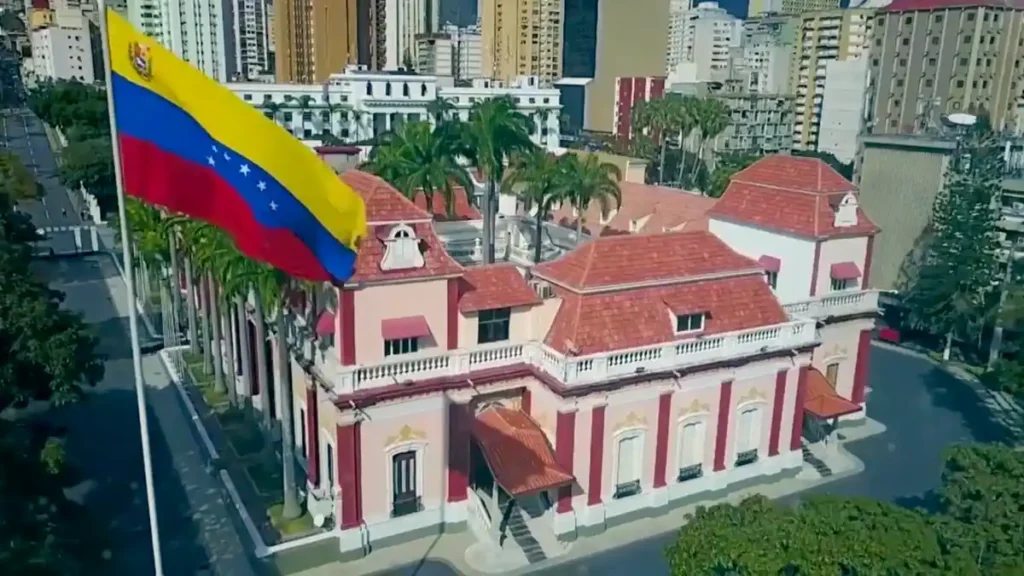
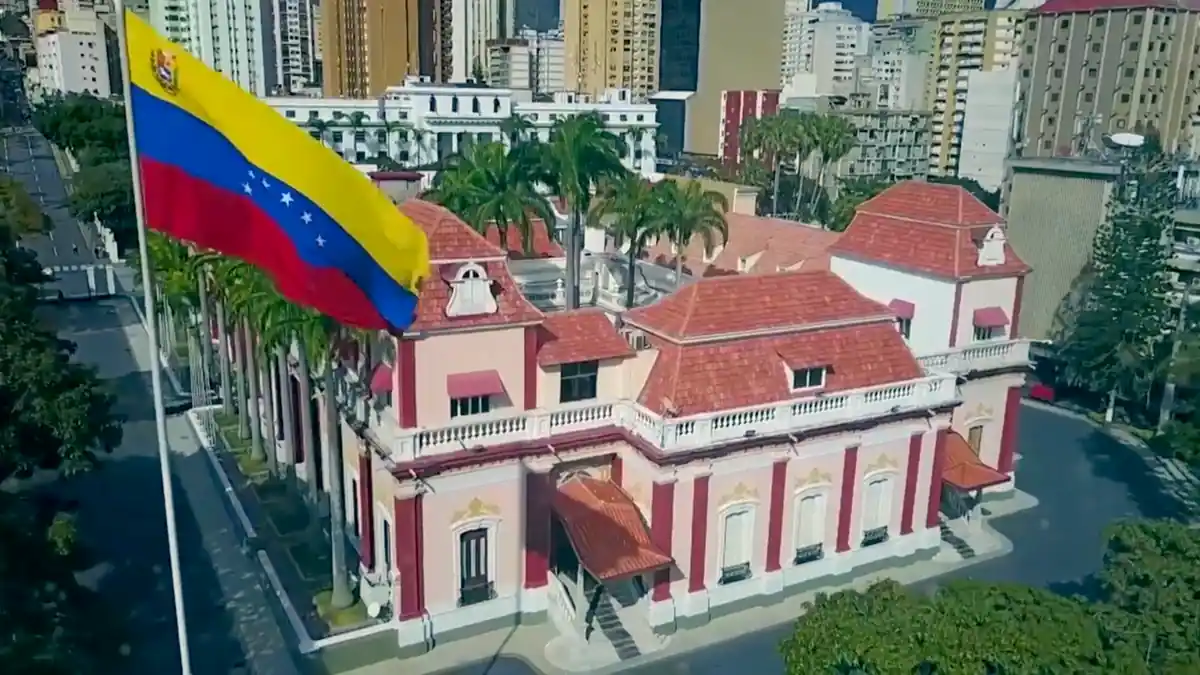
Hegseth met Venezuela’s interim President Delcy Rodríguez at the Miraflores presidential palace. The US military captured Nicolás Maduro in January. Since then, Hegseth said, the country “has gone from our most aggressive regional threat to a compliant security partner.”
For readers following the story, the practical question is what the deal does. It puts US trainers, equipment and intelligence links back inside Venezuela’s armed forces after a break of several years. It also formalizes a relationship built on a US military operation rather than an elected government in Caracas.
The Pentagon did not immediately release details of the partnership, and the text of the agreement has not been published. That matters, because the two sides describe it differently. Hegseth called it a reestablishment of an old defense partnership. Rodríguez said she hoped “technical-military cooperation … can be brought to its highest possible level, so that … we may address common threats.”
What the deal covers, and what is still unknown
Reporting by the Associated Press says the agreement runs from training to intelligence sharing. Reporting by Newsweek adds that Hegseth framed the visit as covering cooperation beyond defense. Neither report says how long the agreement lasts or who pays for what.
Hegseth said the administration also wants to “unlock” Venezuela’s natural resources. That link between a military agreement and oil and minerals is the part critics focus on. Caracas holds the world’s largest proven oil reserves. Energy security calculations that drive US policy in the Gulf apply here too.
The context is unusual. Maduro was taken by US forces in January and is now jailed in the United States. Rodríguez, his former vice president, leads an interim administration that most governments have not formally recognized as elected. A defense pact signed with that administration is easier to make and easier to undo than one signed with a settled government.
Hegseth is the latest member of President Donald Trump’s Cabinet to visit Venezuela this year. The Interior and Energy secretaries have already traveled there, focusing on oil reserves and critical minerals. General Francis Donovan of US Southern Command has met interim authorities at least twice. Trump said in August that Hegseth helped broker a deal for the US to take control of some Venezuelan oil reserves.
Why the timing matters
The visit came without advance notice, which is why it is described as a surprise trip. Announcing the agreement in front of cameras at Miraflores makes it harder for the next US administration or a future Venezuelan government to quietly unwind. That is a political act as much as a military one.
For the region, the deal deepens a pattern of US military attention in Latin America that has grown since the Maduro operation. For readers in the United States, the oversight question is live: the House voted this month to refer articles of impeachment against Hegseth to committee. The scope of any intelligence-sharing arrangement with an interim government has not been put before Congress in public.
Both sides say the agreement addresses common threats, including drug trafficking and criminal organizations. With the text unpublished and the Pentagon declining to elaborate, the practical test will be what appears in the official record over the coming weeks. The question is whether the interim government that signed it survives to implement it.