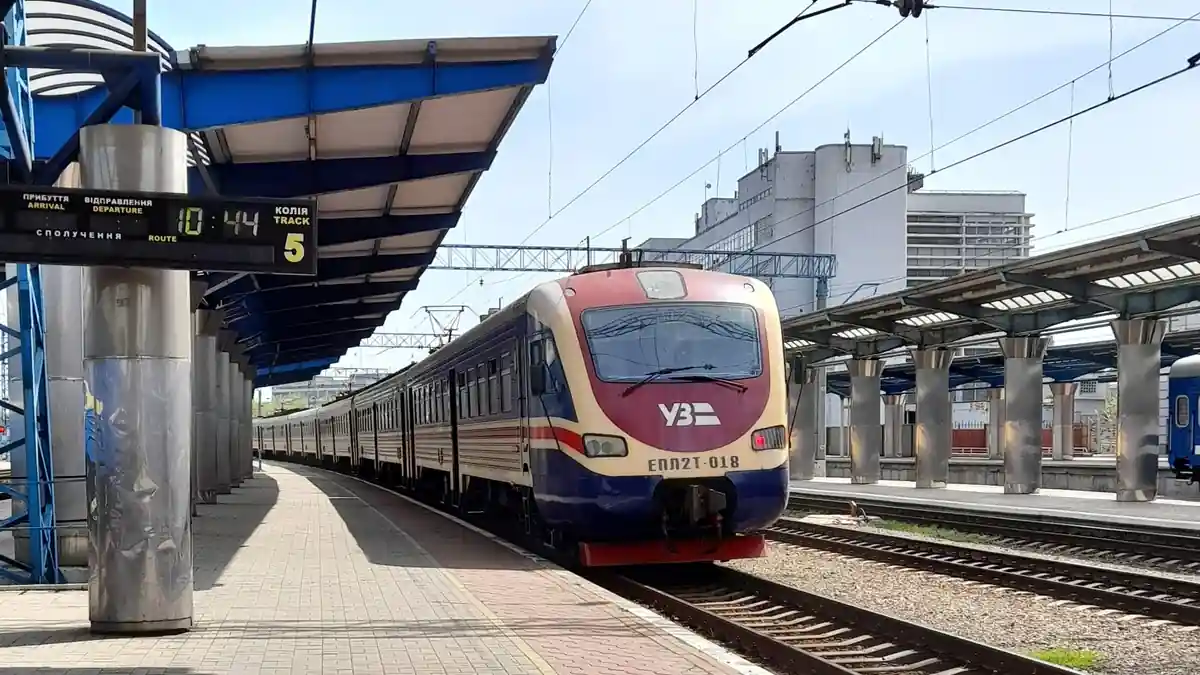
When Russian drone strikes hit Dnipro railway station on October 29, 2026, humanitarian organizations faced an immediate question: Can evacuation trains still run through the station, or must thousands of civilians shift to exposed road convoys? For aid groups managing movement out of the Pokrovsk salient, that answer—now or in the coming days—could decide survival and cost.
Russian strikes killed at least 14 civilians and wounded dozens at Dnipro train station, Ukraine’s primary rail hub linking Pokrovsk and Kurakhove front-line sectors to westward supply lines, according to Dnipro Regional Military Administration. Platform and track infrastructure sustained damage. Ukrainian Railways (Ukrzaliznytsia) confirmed service disruption and rerouted trains via alternative routes; repair timeline remains unannounced. The attack coincided with North Korean ballistic missile launches the same day—an indicator analysts say may point to Russia-NK operational coordination. President Zelensky condemned the strike and renewed calls for air defense systems from Western partners, including Patriot and IRIS-T.
Dnipro station isn’t just a civilian target—it’s the rail artery feeding Pokrovsk and evacuating Donetsk civilians. With tracks damaged and 14+ dead, Ukrzaliznytsia has rerouted trains, adding hours to front-line resupply and forcing humanitarian convoys onto exposed highways. For aid groups moving thousands from the Pokrovsk salient, the choice is stark: wait for rail repairs while Russian drone strikes persist, or spend significantly more on highway evacuations that lack hardened shelter. The station’s operational status now dictates the tempo of both war and survival in eastern Ukraine. Infrastructure collapse ripples outward fast.
Why Dnipro Matters: The Logistics Artery Under Attack
Dnipro station sits at a crossroads. The Pokrovsk sector lies roughly 15 kilometers south and relies on single-track segments east of Dnipro for heavy ammunition, troop rotation, and fuel. Rerouting freight around station damage adds an estimated 40–60 kilometers and 6–8 hours per supply cycle. That’s a compounding pressure on Ukrainian logistics during a critical phase of the Donbas campaign.
Ukrzaliznytsia, Ukraine’s state railways, is managing hundreds of infrastructure repairs from 2024–2025 drone strikes. Each degraded node forces network-wide reroutes. Dnipro’s operational status directly affects the tempo of Ukrainian defense in Pokrovsk and Kurakhove sectors.
The attack disrupts “evacuation trains” running humanitarian corridors from Donetsk. These trains, routed through Dnipro westward, are the lifeline for civilians fleeing front-line combat zones. The October 29 strike has forced aid organizations to activate backup highway convoys—slower, more costly, and exposed to additional strikes.
The Russia-North Korea coordination indicator matters equally. The same day’s NK ballistic missile launch suggests the drone strikes were part of a broader pressure campaign. Simultaneous strikes on Ukraine’s civil infrastructure and Western air defense capabilities indicate operational synchronization, not coincidence. Environmental vulnerability becomes acute: with rail damaged, alternative transport increases fuel use and emissions.
What Competitors Miss: Infrastructure as Strategy
While other outlets cover casualty counts and Zelensky’s condemnation, few connect the strategic logic. Dnipro station damage doesn’t just kill civilians—it pre-positions logistical strain for Ukrainian defenses in the Donbas. Coupled with North Korea’s simultaneous missile test, the attack suggests Russia is compressing Ukraine’s transport and air defense capacities in parallel. This is infrastructure warfare as operational strategy. The Pokrovsk logistics spine faces pressure from two angles: physical damage and coordinated air defense saturation.
Is Dnipro train station still operating after the Russian attack? Ukrainian Railways confirmed infrastructure damage. As of October 29, 2026, trains are rerouted via alternative routes. Full operational timeline for restoration hasn’t been announced. Repair crews are deployed, but exact damage to rail beds, switching infrastructure, and platform stability will determine repair duration. Analysts estimate 48–72 hours for partial passenger service, but freight capacity restoration could extend weeks. The open question: Can repairs proceed safely while Russian drone strikes remain active?
The Dnipro attack exemplifies a shifting Russian strategy: degrading Ukraine’s logistics and transport infrastructure to constrain battlefield maneuver and civilian survival. Watch for two triggers: Ukrzaliznytsia’s repair completion announcement and any ICC or UN investigation into whether the strike constitutes an IHL violation under Articles 52 and 57 of Additional Protocol I. Both will shape what happens next for eastern Ukraine’s defense and accountability.