Ukraine’s ability to intercept Russian drones and missiles rests on a satellite internet link that is running slower than it should. President Volodymyr Zelensky says speed restrictions on the military Starlink service Starshield remain in force, and he wants them lifted before winter.
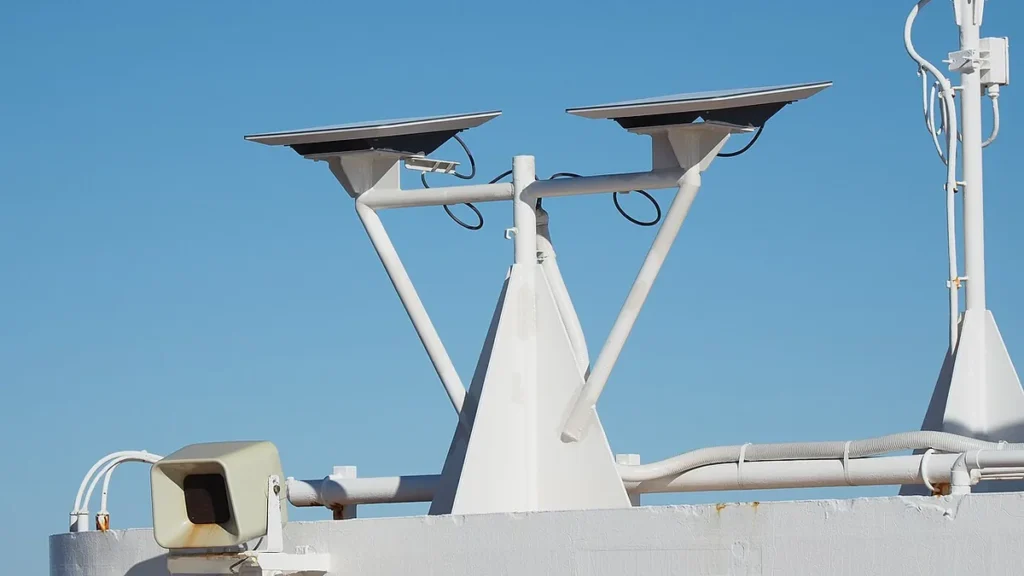
Starshield is a military-grade version of Starlink, the satellite network owned by Elon Musk and provided to Ukraine by the US government. Ukrainian forces use the regular Starlink service for battlefield communications and Starshield to guide interceptor drones that chase Russian missiles and drones over Ukrainian airspace.
“We are counting on these restrictions being lifted. The protection of lives and Ukraine’s energy infrastructure ahead of winter directly depends on this,” Zelensky said on Sunday. He said he had asked officials to work “as closely as possible” with the US government and Musk’s company. “It is important to be on the right side of history,” he said.
What the speed limits do to a drone chase
Zelensky said the limits leave Ukrainian interceptor drones unable to catch Russia’s jet-powered Shahed drones, which target electricity substations. “Our interceptor drones lose connection with their operators at a speed of 161km/h (100mph) and simply cannot catch up with Russian jet-powered ‘shaheds’,” he posted.
On Friday he said a speed limit of about 100mph had been enforced since the previous Monday, but only in Russian-occupied areas rather than across the whole of Ukraine. “If you impose restrictions there, you are already partially recognising the temporary occupied territories as not ours,” he told the New York Times.
The limits first appeared in October. Musk said the US government was responsible because Washington controls Starshield. President Donald Trump denied that and said he had told the billionaire to “put it back”. The service appeared to return to normal after about a week, and then Ukraine said the restrictions were back. Politico reported that the limits were still in place over Russian-occupied Ukraine.
Ukraine also has too few US-made Patriot interceptors to stop Russian missiles. The US approved 500 PAC-3 Patriot missiles for Ukraine in late October, but production runs at roughly 600 a year, so deliveries stretch over years.
Overnight and into Sunday, Russia hit energy infrastructure in Zaporizhzhia and the Sumy, Odesa, Zhytomyr and Kirovohrad regions, Ukraine said. It also struck railway infrastructure in the Dnipro, Kharkiv and Zaporizhzhia regions. Two people were killed in an attack on an infrastructure facility in Chernihiv region’s Mena, the regional governor said. Ukraine said its forces struck a petrochemical plant and an oil refinery in Nizhnekamsk, in Russia’s Tatarstan region.
Kyiv has depended on Starlink since the full-scale invasion began. Leaked Russian records put the country’s military losses above 450,000, and Moscow has leaned on long-range strikes against power and transport networks as recruitment strains.
Regular Starlink terminals carry everyday communications along the front line. Starshield carries the data link for interceptor drones. When that link slows, a drone can lose its operator mid-chase. Ground-based air defence still works, but drones are the cheapest layer of Ukraine’s air shield. The BBC has tracked the dispute since the restrictions first appeared.
Zelensky has asked the US government and SpaceX to remove the limits entirely rather than restore service region by region. The White House and Starlink have not commented. A winter without reliable interceptor coverage would leave more substations and power plants exposed, and Ukraine’s repair crews are already stretched after two winters of Russian attacks.