If you sheltered in place in Iowa on November 25, you wanted one answer fast: is the air safe? The Army had known about the risk since March. Senior White House officials reportedly learned of the specific operational crisis only days before the blast. The Iowa lead azide accountability story is now about who knew what, and when.
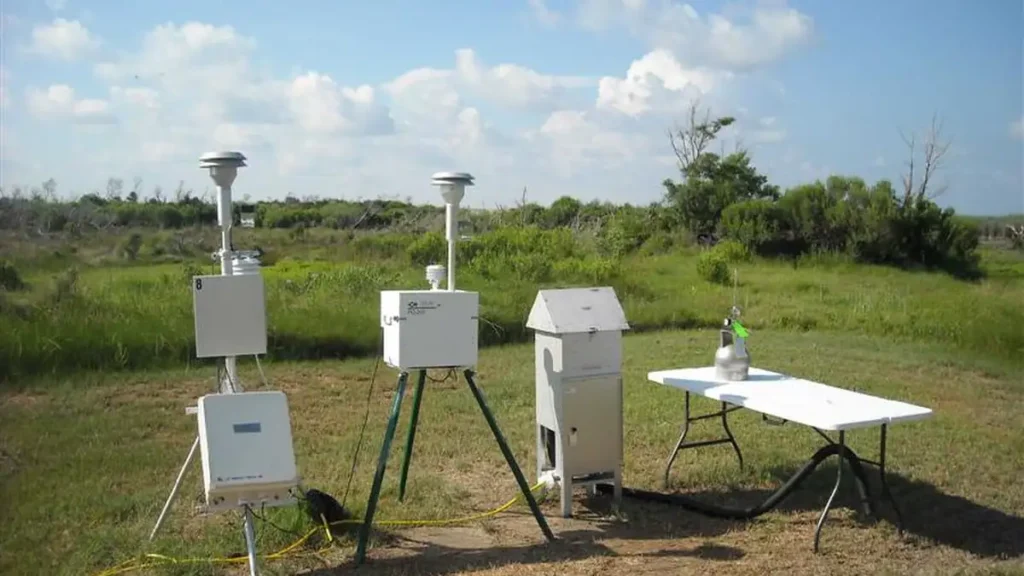
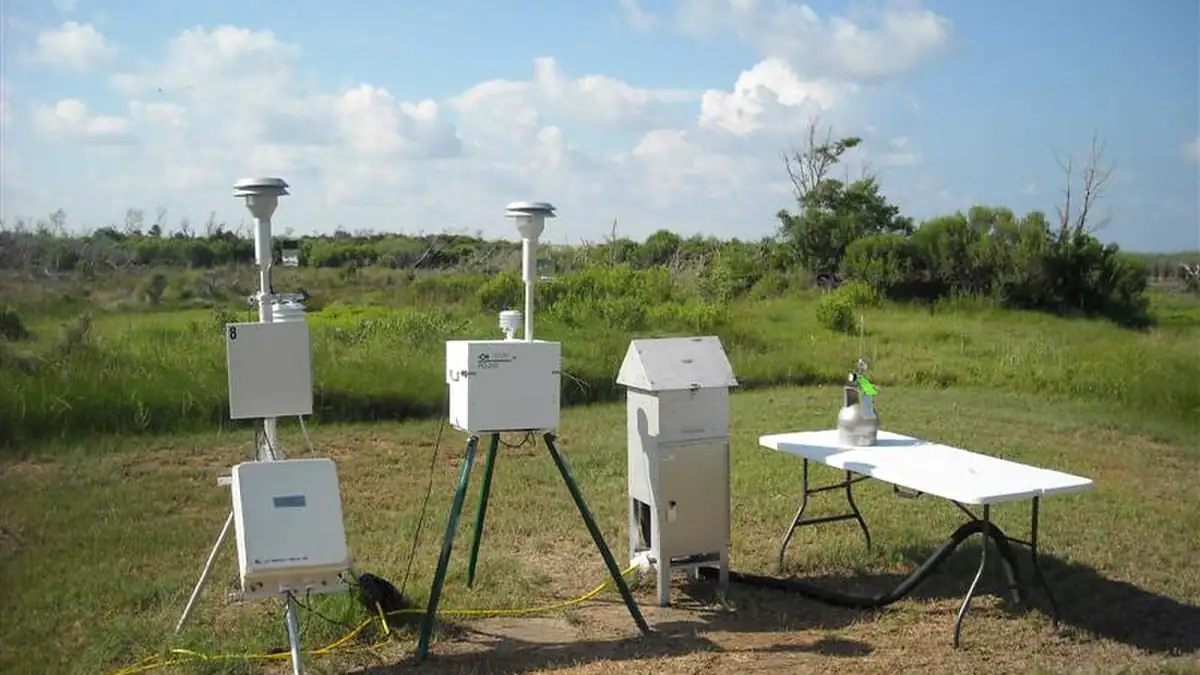
The Army detonated about five tons of lead azide on November 25 at 9 a.m. Central time. Lead azide is an unstable explosive that contains lead. The material was stored in 68 barrels at the Iowa Army Ammunition Plant near Middletown, about eight miles west of the Mississippi River. The Army said the stockpile had degraded. EPA air monitors detected 0.0 airborne lead. The all-clear came at 6:30 p.m. Eastern, and residents were allowed home. Crews used berms, Hesco barriers, 3,600 gallons of aqueous foam, water walls and tarps to channel the blast. President Trump praised the operation publicly. The White House blamed the Obama administration for how the material was stored in 2009. Iowa Governor-elect Rob Sand demanded transparency. He said the lead-up was “chaotic and unclear.”
For families and farmers in southeastern Iowa, the all-clear brought relief, not closure. Air monitors show no airborne lead. Soil and water results are still days or weeks away. The review shows the Army knew in March, and the Acting Secretary knew in September. Representative-elect Christina Bohannan plans to introduce legislation requiring faster communication. Residents may want to document their property and check epa.gov/iowadata for updates.
The chain of command broke on Iowa lead azide accountability
The reporting describes three failures, one level above another. In March, the Army told the EPA about degrading material found during routine stockpile checks. Then-Army Secretary Dan Driscoll learned of the problem in the spring but, according to CBS News sources, did not alert Defense Secretary Hegseth. Acting Army Secretary Adam Telle learned of it in September and did not brief superiors. Officials have discussed moving Telle out of the post.
The White House scrambled in the final days. Chief of Staff Stephen Miller coordinated the response from Air Force One, working with about a dozen agencies. Trump reportedly praised the operation in public. In private, CBS News reports, Trump was furious with how the Army handled it. Vice President JD Vance told CNN he had been aware for six months that the stockpile could not be moved safely — a general hazard he knew, while the specific operational crisis reached the White House only days before the blast. The timelines reflect different levels of awareness. Our earlier report on the detonation covers the event itself. For federal emergency coordination, see our Thanksgiving storm emergency report. For hazardous materials response, see our Indonesia missile propellant seizure report.
What the air monitors don’t show about Iowa lead azide accountability
Air readings measure only part of the risk. Lead is heavy and settles to the ground quickly, said Dr. Dan McCabe of the Iowa Poison Control Center. He said surface and soil testing would be needed in the coming days or weeks. EPA Region 7 reports about 1,200 samples taken before the blast. Around 300 personnel and 150 teams are working across Iowa, Missouri and Illinois. David Cwiertny of the University of Iowa is tracking contamination independently. Shannon Bartelt-Hunt at the University of Nebraska is asking residents to send in soil samples. For the court fight before the blast, read our court order report. The bill would set rules for handling and communication when Congress convenes in January 2027.
Why didn’t the White House know about the Iowa lead azide risk until days before the blast?
Based on CBS News reporting, the answer is a gap between agencies and levels of command. The Army told the EPA in March. Driscoll learned in the spring but did not tell Hegseth. Telle learned in September but did not brief superiors. Senior White House officials learned only in the final days. Vance has said he was aware for six months that the stockpile could not be moved, so the timeline reflects different knowledge at different levels.
The five-day response looks improvised. Stephen Miller built the “whole-of-government” effort from Air Force One. The reporting does not show that the National Security Council, the White House group that coordinates national security decisions, ever received the hazard report. If it did not, a known risk sat unseen for six to eight months. That points to a gap in the standard process, and the late scramble was a symptom of it.
The accountability story is still open. Watch four things: soil and water results from EPA Region 7, Bohannan’s bill in January 2027, any decision on Telle’s job, and whether the Chemical Safety Board opens an investigation. Until then, the timeline stays open. Check the EPA’s live readings as new data posts, and we will update this story when results come in.