The Chicago Bears just declared something urgent: they believe this is the year.
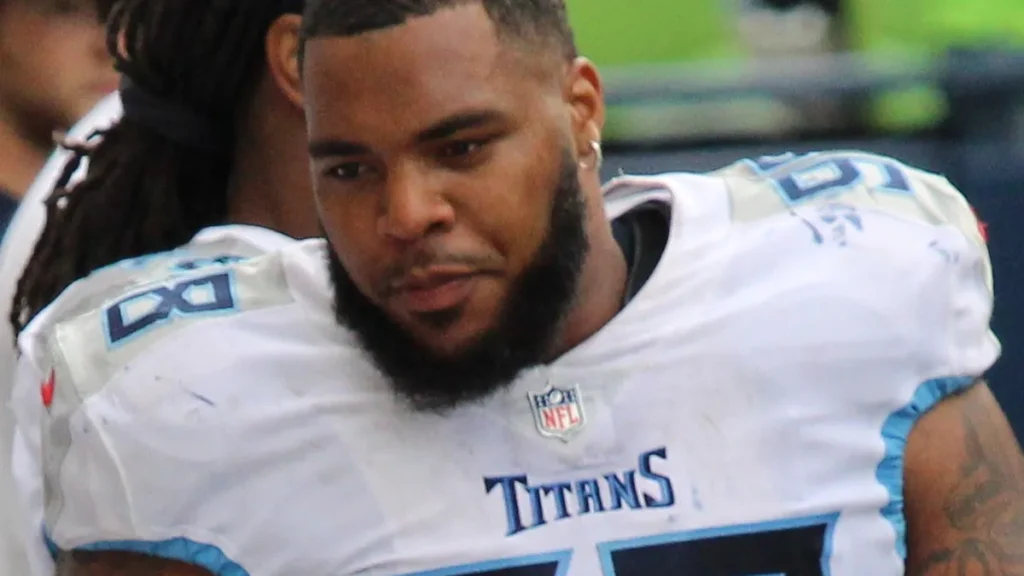
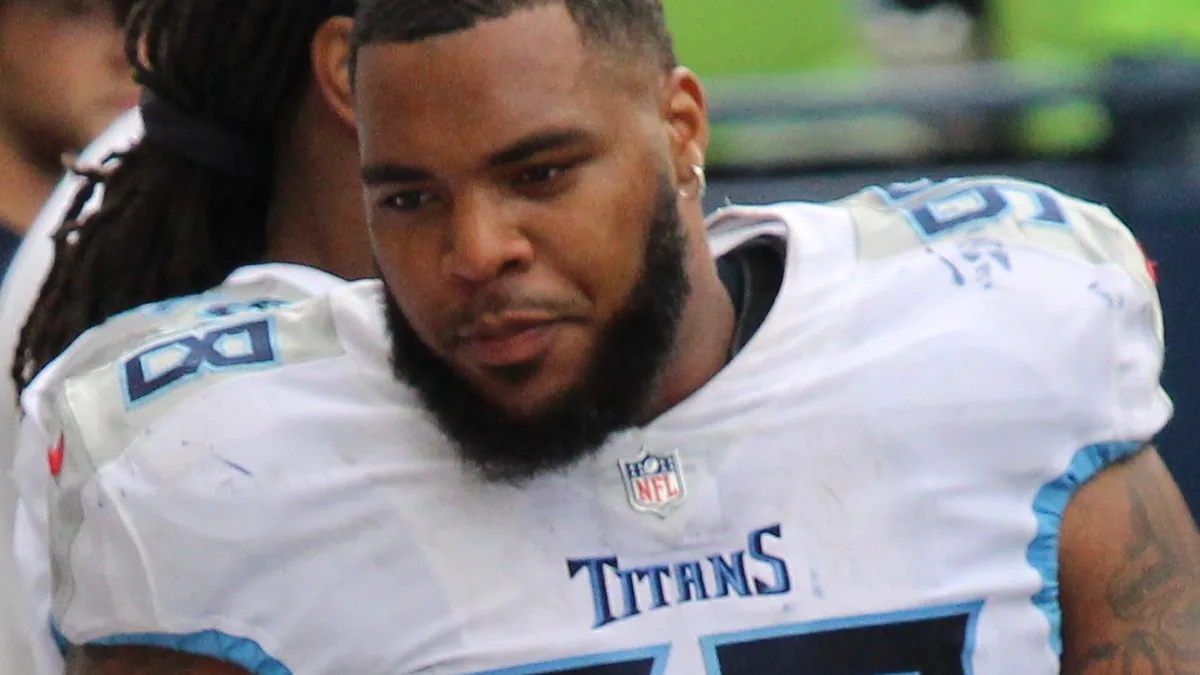
On October 30, the Bears traded for Tennessee Titans defensive tackle Jeffery Simmons. Chicago sent a 2027 second-round pick and a conditional 2028 third-rounder to Nashville. If Simmons plays 75% of snaps in 2027, that third-rounder becomes a second. The price is steep. The message is unmistakable.
This is not a rental. This is not a cautious audition. This is general manager Ryan Poles announcing that his roster is close enough to championship contention to justify spending premium draft capital on an elite interior pass rusher.
“This is an all-in move,” Poles said in a statement. “Jeffery brings disruptive force in the middle. That’s exactly what our defense needed.”
Simmons, 26, carries serious credentials. He has 52 career sacks, three Pro Bowl selections, and one All-Pro honor. For years, he’s been one of the league’s most reliably disruptive interior defenders. The Titans made a choice to rebuild around quarterback Will Levis. The Bears saw a weakness they could fix.
Since Akiem Hicks retired, Chicago has lacked a true three-down interior disruptor. The defense excels on the edge—that’s Montez Sweat’s domain. But the middle? Soft. Under defensive coordinator Eric Washington, Simmons becomes the anchor that transforms good defense into championship-caliber.
The move signals faith in Caleb Williams’ timeline. The Bears’ franchise quarterback is on his rookie deal through 2029. Management just declared publicly: the next three to four years are our window. A Super Bowl chase is on.
The Pass-Rush Pairing That Changes Everything
Here’s what makes this trade genuinely important: the Bears now have two 50-plus sack defenders on the same roster. Simmons and Sweat together create a pass-rush nightmare that few defenses can match.
When an offense faces Chicago, they solve a problem with no clean answer. Double Sweat on the edge? Simmons beats you in the middle. Split protection and try to block both? You lose. It’s a math problem that opposing coordinators fail.
That’s championship-level defensive design.
The contract mechanics also work. Simmons carries a $21 million cap hit in 2027. But if the Bears extend him—and they almost certainly will—that number voids. Chicago gets future flexibility while securing an elite disruptor through his prime.
Tennessee’s general manager Ran Carthon confirmed the logic. “We’re accelerating our rebuild timeline,” Carthon said. The Titans save $18 million in cap space for 2027 by moving Simmons. They absorb $6 million in dead money. That liquid capital helps Tennessee reset around Will Levis.
For Bears fans watching their NFC North contender at 5-2, the question is straightforward: does Simmons finally close the interior pass-rush gap? If he stays healthy, yes.
What did Chicago send for Simmons?
The Bears surrendered a 2027 second-round pick and a conditional 2028 third-rounder (becomes a second if Simmons plays 75% of snaps in 2027). Tennessee saves $18 million in 2027 cap space and absorbs $6 million in dead cap. Chicago gets an elite interior disruptor.
Extension talks will follow. The Bears will likely move fast to lock Simmons down long-term. Right now, the roster is built. The window is clear. The timeline is open: win now while Caleb Williams’ rookie deal allows it.
Primary sources: NFL official transaction wire, Chicago Bears official announcement, Tennessee Titans official announcement.