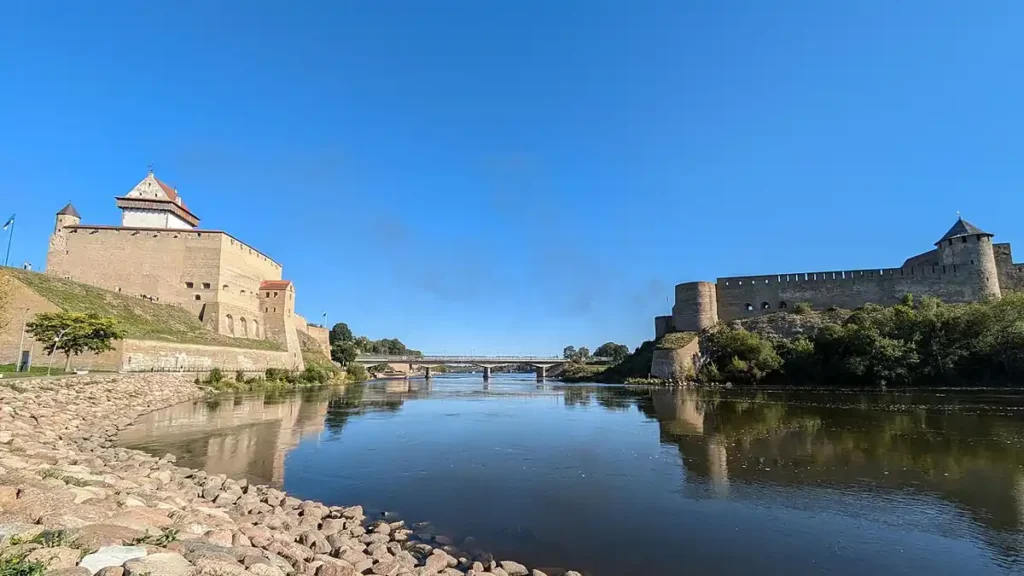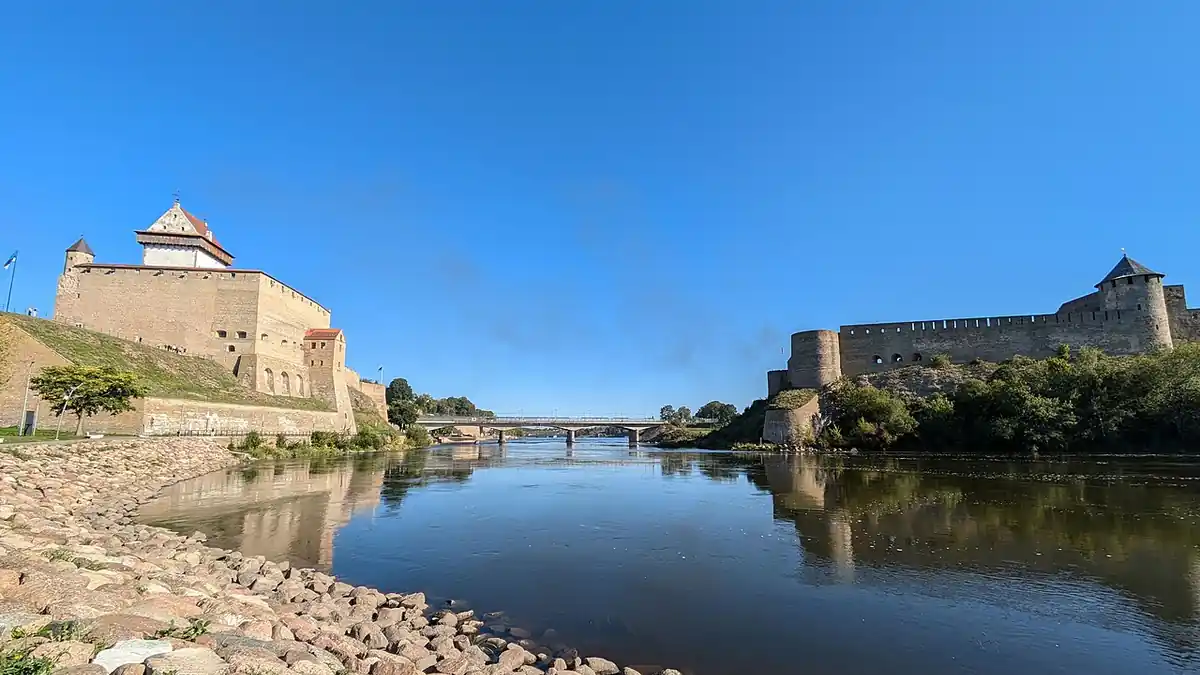
Estonia will close every road border crossing with Russia on December 1, 2026, after its security service said Russian military intelligence ordered a sabotage attack on a drone maker near Tallinn. Eight suspects were detained and five remain in custody. No one was hurt and no major damage was caused. The decision turns a foiled arson attempt into a full shutdown of a NATO member’s land frontier with Russia.
Intruders were found at Threod Systems in Viimsi, outside Tallinn, shortly after 3 a.m. on Saturday November 14, trying to break in, cause an explosion and set the building on fire. The company’s security team stopped the attack. Estonia’s Internal Security Service, KAPO, said its intelligence showed the GRU commissioned the operation. Foreign Minister Margus Tsahkna announced the closure on Sunday November 15. Prime Minister Kristen Michal called it part of Russia’s “broader hybrid war against Europe,” saying Russia’s aim is “to make us afraid, make us hesitate and weaken our support for Ukraine.” The three crossings are Narva, open to pedestrians only, and Luhamaa and Koidula, which also carry vehicles. No end date has been set.
A NATO member shutting its entire land border with Russia marks a sharp escalation in Europe’s shadow war with Moscow. It shows that sabotage against defence firms is moving from disruption to border policy. The Threod Systems attack follows an August arson attack on Milrem Robotics, another Estonian defence company, which authorities formally blamed on Russian intelligence in September. Mr Tsahkna said closing the crossings would reduce Russia’s ability to run hostile operations in Estonia and to evade sanctions.
Estonia has about 1.36 million people and has strongly backed Ukraine since Russia’s full-scale invasion in February 2022. The country had already been closing some crossings overnight since the summer. The announcement came days after Russia and Ukraine held their first US-mediated talks in nine months, in Abu Dhabi on November 10. Ukraine’s foreign minister, Andrii Sybiha, welcomed the decision. After the earlier Milrem Robotics attack, Estonia summoned Russia’s chargé d’affaires, and the Kremlin dismissed that accusation as baseless. Russia’s foreign ministry spokesperson, Maria Zakharova, called the closure “yet another bout of aggressive and unrestrained Russophobia.” NATO’s collective response to subsea cable sabotage and a Finnish court’s conviction of a Russian captain show how European states are responding to alleged Russian sabotage.
Why is Estonia closing its border with Russia?
Estonia says Russian military intelligence ordered the sabotage attack on the drone maker, and closing the road crossings reduces Russia’s ability to run hostile operations and evade sanctions. According to The Guardian, the closure covers the three main land entry points. Politico reported that prosecutors say the intruders were detained at the site in Viimsi. Newsweek and the Kyiv Independent both reported KAPO’s finding that the GRU commissioned the operation.
For Estonian citizens and businesses, the closure will disrupt cross-border traffic. For NATO, it is a test of how far European members will go to protect defence companies that supply Ukraine. Both Threod Systems and Milrem Robotics produce equipment used by Ukraine’s military. The closure takes effect on December 1, and Estonian leaders have framed it as a response to a pattern of sabotage rather than an isolated crime.