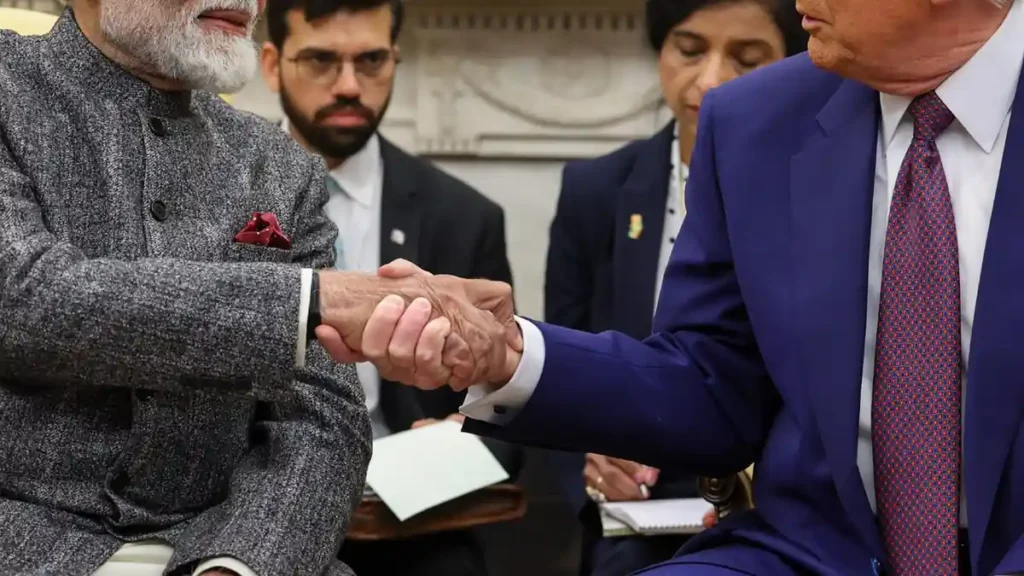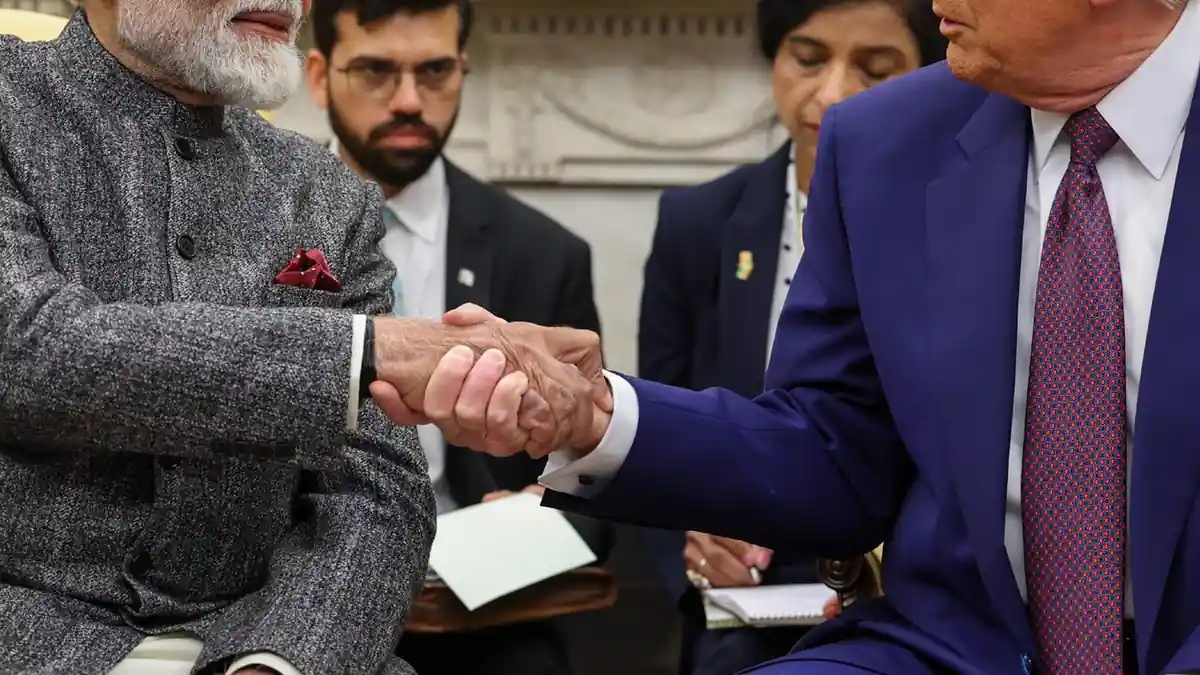
Your generic prescription, your solar panel quote and your retirement account may all touch India. On November 25, the US set a price on that link. The US India tariff 17 percent cap applies only if Washington and New Delhi reach a trade deal.
US Trade Representative Jamieson Greer said Washington will cap tariffs on Indian imports at 17 percent if the two countries strike a deal. Reuters reported the statement on November 25. Without a deal, the rate would rise to 25 percent. The proposal comes from a Section 301 investigation into excess industrial capacity. That probe covers 16 economies, including China, the European Union and Japan. The US has proposed duties on 14 trading partners, India among them. The sectors named include pharmaceuticals, medical devices, steel, solar and information technology. Most Indian goods currently face 18 percent, down from 50 percent after a February 2026 framework deal. India’s trade ministry said it is examining the notice. It told Washington that India has no structural excess capacity in any sector. Neither rate is in effect yet.
If the 25 percent rate takes effect, imports in the named sectors would cost more to bring into the US. Whether that cost reaches shoppers depends on how importers and sellers respond. The reporting does not say. Even the 17 percent cap would leave tariffs close to today’s level.
Where the US India tariff 17 percent hits your wallet
Pharmaceuticals are the sector most readers may feel first. India is a major supplier of generic drugs sold in the United States. A tariff on those imports could raise costs for drugmakers and distributors. Whether that reaches the pharmacy counter depends on how each company sets prices.
Medical devices follow a similar path. Some devices assembled in the US use Indian-made parts. Those parts would carry the duty. Solar is a more direct case. USTR’s March investigation cited evidence of excess solar module capacity in India. Homeowners who buy Indian-made panels or cells could see prices move if the rate rises.
Steel is also on the list. Higher steel costs can spread to construction and manufacturing. Information technology is the least clear case. Tariffs generally apply to physical goods, not to services. The direct effect on IT services is therefore harder to pin down. Readers can compare this with the earlier tariff action against 16 major economies. The fresh tariff proposals covering China, India and the EU add more context on the wider trade push.
The reporting so far does not include reactions from US business groups such as PhRMA, the US Chamber of Commerce, ITI or SMA. It also does not include comments from members of Congress on trade committees. Proposed duties remain subject to public consultation.
The 17 percent figure is a cap, not a new starting rate. It sits one point below the current 18 percent. The 25 percent option sits seven points above it. For Indian exporters, both outcomes are close to today’s level.
Which products would be affected? The USTR notice names pharmaceuticals, medical devices, steel, solar and information technology. The reporting does not give current trade values for each sector. Tariffs generally apply to goods that cross the border, so services are treated differently.
Both proposed rates sit near the current 18 percent. The 17 percent cap applies only with a deal. The 25 percent rate applies without one. Talks between the two governments are continuing, and India says it is committed to an early trade agreement. Check back for the final rate and any sector exemptions.