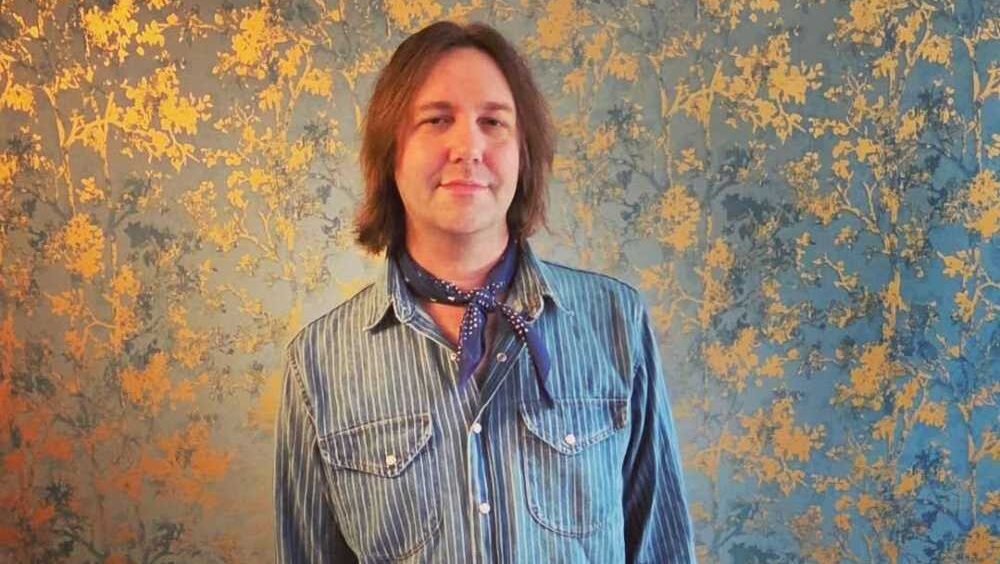
When eight people got up and walked out of Aaron Lee Tasjan‘s Galveston, Texas concert during his song “I Love America Better Than You” in July 2026, it sparked a conversation that extends far beyond one performance. Rather than dismissing the moment, the Brooklyn-born singer-songwriter used it to explain why artists have a responsibility to challenge audiences, even when it makes people uncomfortable.
The song itself serves as Tasjan’s examination of his country’s complexities, contradictions, and hard truths. Instead of offering false comfort, the track critiques patriotism that’s been commodified by ugly consumerism while mentioning America’s hotdogs and soda pop alongside its dirty water, wealth disparity, and insurrectionists. It’s conversational, matter-of-fact lyricism that strikes a careful balance between the benign and the malignant—uncomfortable listening for those attached to simpler narratives.
Tasjan explained his artistic philosophy clearly: “Our job is not simply to sell tickets and T-shirts and receive applause.” He doesn’t see art as mere entertainment. Songs, he believes, can heal and comfort people, but they should also tell the truth about what matters. The walkout proved his point—the music accomplished exactly what he intended it to do. It didn’t just entertain; it provoked response.
His response to the incident revealed a critical perspective on artistic accountability. Tasjan said it’s not criticism but illumination, and doesn’t point fingers but states plainly what it is and leaves room for questions. He presents America as he sees it: diverse, messy, contradictory and still a long way from living up to its own promises. In his philosophy, “The time to remain comfortable is gone.”
This isn’t new territory for Tasjan. Over his career spanning six acclaimed albums, he’s built a reputation for using music to examine difficult subjects. His credentials include Grammy nominations, Americana Music Association Award recognition, and performances at major festivals including Newport Folk Festival, Bonnaroo, and Stagecoach. He’s appeared on NPR’s Tiny Desk, PBS’s Bluegrass Underground, and even Conan O’Brien—each appearance adding another chapter to his story of artistic persistence.
The Galveston walkout is emblematic of a larger cultural tension. In an era of polarization, artists face pressure to appeal to the widest possible audience. Tasjan refuses that compromise. His music stands as a reminder that the most meaningful art often makes us sit with discomfort rather than escape it. Whether audiences walk out or stay and listen, his work continues to ask the questions that matter.