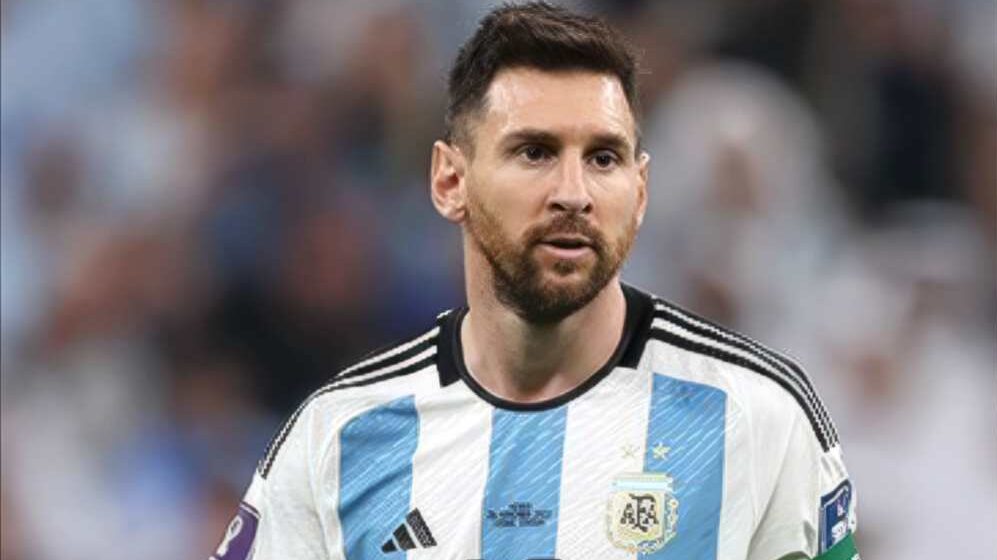
Argentina’s national football team is facing a wave of international criticism days after losing the 2026 World Cup final to Spain, as a pitch-side brawl, a snubbed trophy ceremony and a political banner reopen questions about the squad’s conduct as Lionel Messi’s international career winds down.
Spain won the final 1-0 in extra time on July 19 at MetLife Stadium in East Rutherford, New Jersey, when substitute Ferran Torres finished from close range in the 106th minute after Nico Williams headed on Pedro Porro’s cross, per FIFA’s report on the match. Argentina played the last stretch with ten men after Enzo Fernández was sent off for two yellow-card offenses, ending its bid for a second straight title after 2022, when it survived a shock opening loss to Saudi Arabia on the way to the trophy. The result flipped the world rankings: Spain returned to No. 1 with 1,995.88 points, while Argentina dropped to No. 2 with 1,970.37, according to FIFA’s official rankings, updated July 21.
What happened after the final whistle drew as much attention as the match. Leandro Paredes was shown a red card after a scuffle with Spain’s Gavi and Eric García, and FIFA opened a disciplinary investigation. Minutes later, Argentina’s players stood with their backs to the podium during Spain’s trophy presentation, facing their own supporters — since Spain’s players had formed a guard of honor for Argentina’s medal ceremony earlier.
Days earlier, after Argentina beat England 2-1 in the July 15 semifinal in Atlanta, defender Lisandro Martínez and substitute Giovani Lo Celso held up a banner reading “Las Malvinas Son Argentinas” — “The Falklands Are Argentina’s” — reviving a dispute that turned into a 74-day war in 1982, killing 649 Argentine service members, 255 British troops and three islanders. FIFA opened a separate investigation into the banner for breaching its ban on political messaging, echoing a 2014 case that cost the federation about $38,000.
Argentine officials have pushed back hard. “Argentina’s problem is that we stand out, we cannot be ignored, and people are jealous of us, and we excel at almost everything. I’m sorry, but someone had to say it,” President Javier Milei told broadcaster LN+ this week. Coach Lionel Scaloni, emotional at his post-final press conference, struck a calmer note: “We lost the match and we accept it, but that doesn’t mean we stop living or forget everything we did to get here.” The Argentine Football Association thanked fans in a website statement “for always being there, in good times and difficult moments,” and said it was weighing legal action over manipulated images and unverified claims about the squad.
What comes after Messi
Underneath the disputes sits a longer question about what the team represents once Messi, 39, steps back from international football — a moment widely expected but not yet confirmed, with plans reportedly for him to play into late 2026 before a farewell match. Messi, who scored the goal that launched Argentina to a Copa América final and helped deliver the team’s back-to-back Copa América titles, entered this tournament as its emotional center. Forbes contributor Shann Biglione wrote this week that much of the team’s global affection was a halo effect borrowed from Messi’s popularity rather than earned collectively, leaving its conduct more exposed to scrutiny from sponsors as his exit nears.
That scrutiny has extended to race. Hours after the final, actor Samuel L. Jackson shared a post urging Black fans not to root for Argentina, a reaction rooted in past incidents, including a 2024 video of Enzo Fernández singing a chant that mocked Black French players and Argentine fans throwing bananas onto pitches during matches against Brazil. Not every Argentine carried regret; journalist Pedro Rosemblat wrote in an Instagram post that “our rebelliousness irritates them, enrages them… they call us cocky, cheaters, dirty. And we love it, it fills us with pride.”
Spain won the final 1-0 in extra time on July 19, and Argentina finished runner-up with ten men on the pitch. FIFA opened investigations into the Falklands banner and the brawl. Milei defended the team, Scaloni acknowledged the defeat, and the AFA thanked supporters while weighing legal action over what it called misinformation. FIFA’s July 21 rankings list Spain first and Argentina second.