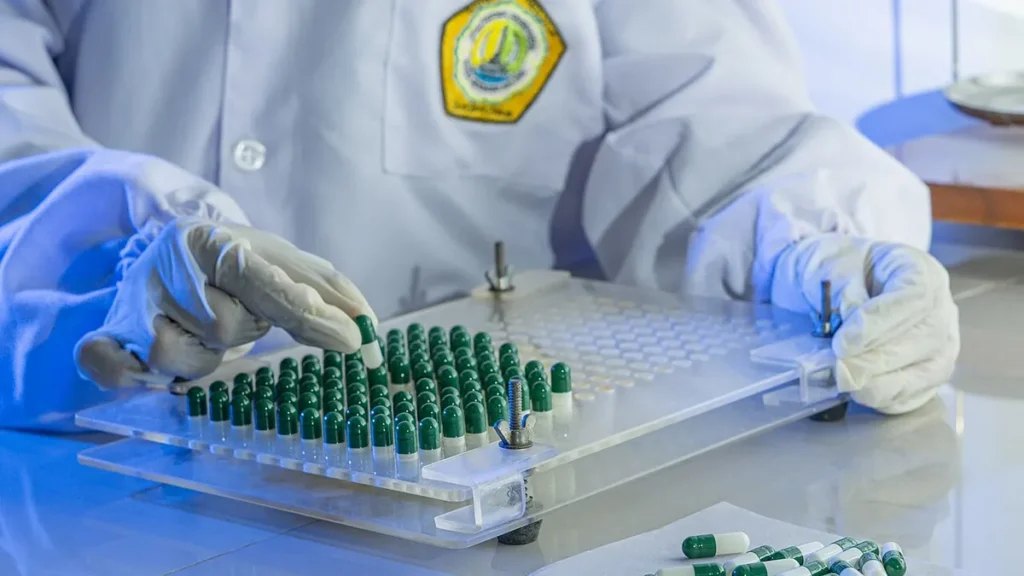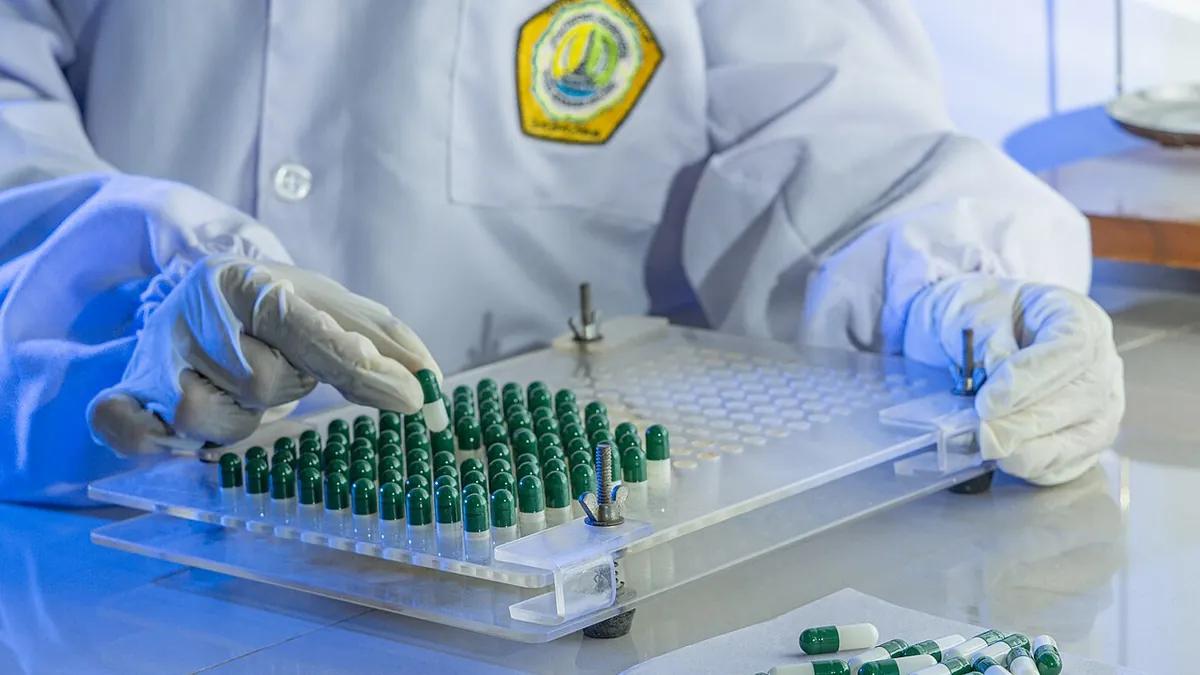
A new pancreatic cancer pill has caused tumours to vanish in one in 12 patients with advanced stages of the disease. The medicine, called daraxonrasib, is taken once a day alongside standard chemotherapy. Doctors reported the findings after tracking patients whose cancer had already spread across their bodies. The results offer fresh hope for a condition that has seen very few treatment advances for decades.
Researchers shared the data at the EORTC-NCI-AACR Symposium on Molecular Targets and Cancer Therapeutics in Barcelona. The clinical trial monitored 61 patients with recently diagnosed advanced pancreatic cancer. In every participant, the cancer had already spread to other organs. Tumours stopped growing in 90.2 percent of the patients. In addition, 60.7 percent saw their tumours shrink or disappear completely. CT scans showed no detectable tumours in about eight percent of the group, which equalled five of the 61 people. Doctors tracked patients for a median of 18 months. Twelve months after starting the regimen, 76.6 percent of the patients were still alive. Chemotherapy alone usually produces a one-year survival rate of 40 to 45 percent. Half of the patients lived for at least 12.8 months without their cancer worsening.
These results alter medical conversations about a disease long viewed as untreatable. Still, the extra time gained is measured in months rather than years for most patients. The pill is not a proven cure. It is not yet approved for first-line use. Even so, specialists say this trial changes how oncologists think about attacking advanced tumours. It offers clear evidence that targeted drugs can work in late stages.
How the pancreatic cancer pill attacks stubborn tumours
Daraxonrasib works by targeting a specific biological flaw in tumour cells. It is classified as a KRAS inhibitor. The drug locks on to mutated proteins and shuts them down directly. Over nine in ten pancreatic tumours carry a mutation in the gene that produces the KRAS protein. For decades, oncologists gave this protein the nickname Death Star because it resisted every medical attack. Most drugs could not bind to its smooth surface. Daraxonrasib slips into microscopic grooves on the faulty protein to stop cell growth.
Dr Wungki Park led the presentation of the clinical data in Barcelona. He is a gastrointestinal medical oncologist at Memorial Sloan Kettering Cancer Center in New York. Dr Park described the trial outcomes with cautious optimism. He stated that this is the closest to cure he has seen in his career. He added that he had never seen so many tumours disappear in patients whose cancer had already spread. Medical teams rarely observe complete tumour clearance in late-stage pancreatic cases.
An earlier study tested daraxonrasib in roughly 500 patients with advanced pancreatic cancer. Those participants had already received standard treatments before taking the pill. In that study, patients taking daraxonrasib lived almost twice as long as those receiving standard chemotherapy. The median survival was 13.2 months for the pill group compared to 6.7 months for the chemotherapy group. However, that earlier trial did not include a chemotherapy-only control group. Because of that omission, researchers could not measure the precise benefit of adding the pill to standard care.
Pancreatic cancer remains one of the deadliest forms of cancer worldwide. In the United Kingdom, it has the lowest survival rate among all common cancers. Half of all people diagnosed with the disease die within three months. Only about three percent of patients survive for five years once the disease spreads to other organs. Over 11,000 people receive a pancreatic cancer diagnosis in the UK every year. Sadly, over 10,000 people die from the condition each year.
Leading cancer charities have welcomed the findings while calling for rapid follow-up research. Michelle Mitchell is chief executive of Cancer Research UK. She acknowledged that further research is needed before the drug enters routine care. However, she described the data as the biggest leap forward seen in decades for pancreatic cancer patients. Charities also want health authorities to prepare for future rollouts. Dr Madina Kara leads research at Pancreatic Cancer UK. She urged government ministers to increase investment in clinical research. Dr Kara explained that funding allows more patients to join clinical trials. She also stressed that extra resources help proven drugs reach patients without delays.
Next steps for patient testing and access
A large phase-three international trial is currently recruiting patients worldwide. This late-stage trial will compare daraxonrasib against existing therapies in a much larger group. The pill is already approved in the United States and the European Union for patients who have had prior treatment; the phase-three trial is testing it as a first-line treatment alongside chemotherapy. Doctors caution that the pill cannot yet be considered a cure. Researchers still do not know how long daraxonrasib can keep tumours from returning.
The new trial offers an important difference from the earlier survival research. It does not merely repeat past data on patients who had run out of treatment options. Instead, it tests the pill alongside chemotherapy in newly diagnosed patients. This setup reflects the combination clinicians would use in hospital practice. Giving the drug early allows doctors to test whether attacking the mutation immediately produces longer lasting benefits.
Is daraxonrasib a cure for pancreatic cancer? Oncologists say it is too early to call the drug a cure. Tumours became undetectable in about eight percent of trial patients, but cancer cells can return over time. For most participants, the pill slowed tumour growth rather than eradicating the disease. Researchers still need years of follow-up data to see if patients stay cancer-free in the long run. At present, doctors view it as an effective treatment to extend life rather than a permanent cure.
The trial results provide an encouraging step for patients facing advanced pancreatic cancer. Combining daraxonrasib with chemotherapy stopped tumour progression in nine out of ten patients. It also cleared all visible signs of cancer in five individuals. While researchers await results from larger trials, the pill provides rare progress against an aggressive disease that has defied treatment for generations.