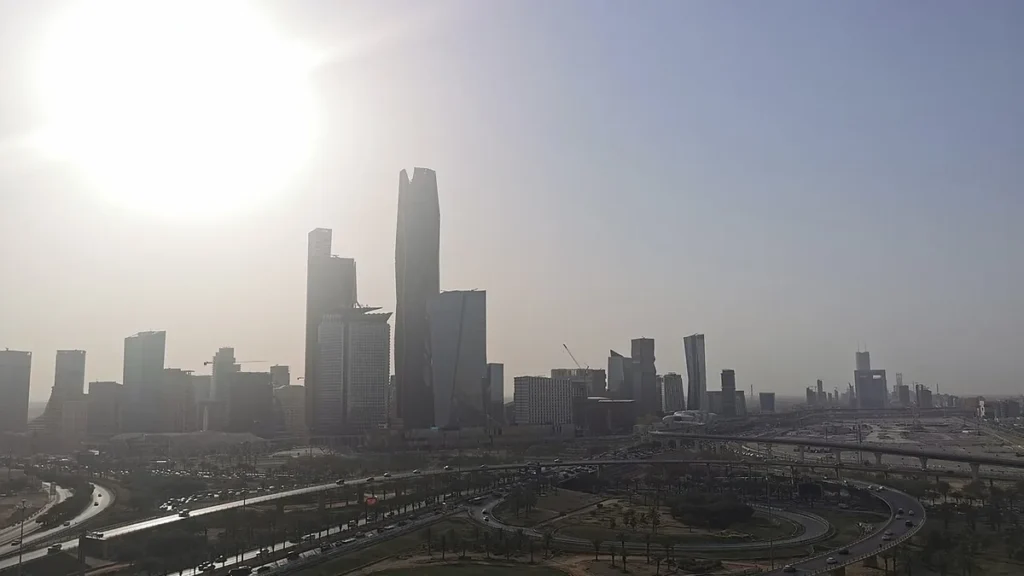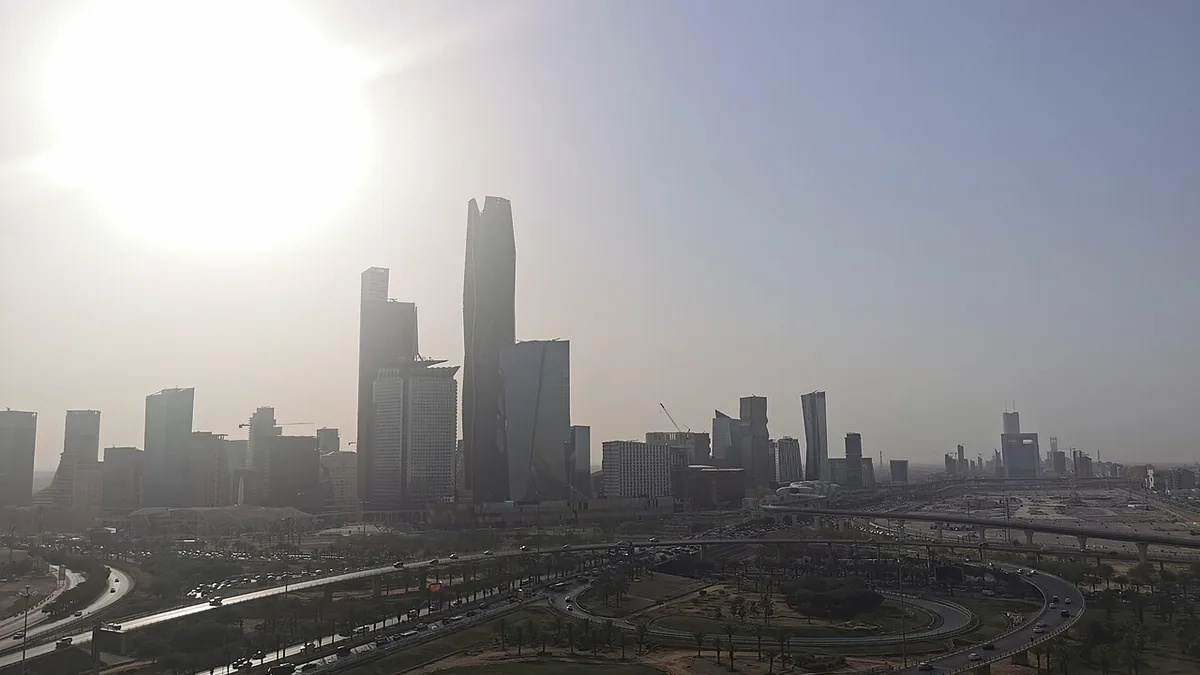
A ballistic strike has damaged the tallest skyscraper in Saudi Arabia’s capital city. A Houthi attack on Riyadh damaged the Public Investment Fund Tower in the King Abdullah Financial District. Debris scattered across nearby streets as air defences responded to the inbound missile. Emergency responders arrived quickly to inspect the glass and steel tower, and authorities reported no deaths or injuries.
On 19 November 2026, a projectile launched by Yemen’s Houthi rebel group struck the Public Investment Fund Tower in Riyadh. The skyscraper stands as the tallest building in the city and houses Saudi Arabia’s sovereign wealth fund. The fund manages roughly 900 billion dollars in financial assets. Saudi civil defence officials confirmed that the strike caused material damage to several floors of the tower and two adjacent buildings. Officials reported no casualties from the blast. Witnesses reported that windows were blown out across seven to eight floors of the main tower. Sections of the exterior metal facade were bent by the impact. Some buildings near the site are residential properties. The Saudi-led military coalition stated that it addressed a missile threat launched towards Riyadh and that falling debris caused the damage.
Anyone monitoring global energy markets and the Persian Gulf now faces a concrete escalation risk. Striking the institution that finances Saudi Arabia’s domestic economic transformation increases the likelihood of military retaliation. A wider clash risks direct disruption to oil production and commercial shipping throughout the region. The strike on a financial landmark raises the risk of further attacks on Gulf commercial centres. Prolonged instability could threaten export routes through nearby waters.
Commercial district targeted amid regional fighting
The incident was the second Houthi strike to damage a landmark in Riyadh’s financial district in less than two weeks. On 8 November, another strike hit an Aramco tower located in the same commercial zone. Authorities closed the King Abdullah Financial District to visitors following the latest explosion. Most Public Investment Fund employees had been working remotely since early September.
Saudi Arabia’s foreign ministry issued a firm statement after the incident. The ministry said the kingdom reserves the right to take all necessary measures to defend its sovereignty. Officials added that Saudi forces will protect citizens, residents, and national assets from further attacks.
The strike followed an intense week of military clashes across Yemen. Saudi aircraft had carried out major airstrikes on Houthi-held territory earlier in the week. Houthi forces had seized new ground on active front lines, forcing the Saudi-backed government to stage a military retreat over the weekend. The retreat marked a shift on the front lines.
The rebel movement has repeatedly fired missiles and drones at Saudi airports and oil infrastructure. Those cross-border attacks resumed after Yemen’s civil war reignited in July amid the wider conflict between the United States and Iran.
This pattern of aerial strikes has regularly disrupted civilian life in the capital. On 11 October, Houthi forces targeted Riyadh’s King Fahd International Airport. Following that airport strike, local education authorities moved school classes online across the capital city.
The target is the 900 billion dollar fund behind Saudi Arabia’s economic transformation, two weeks after the same district’s Aramco tower was hit. Striking the core institution of the kingdom’s modernization strategy in quick succession exposes the commercial risks facing Gulf business centers during wartime.
What was hit in Riyadh?
The projectile struck the Public Investment Fund Tower, the tallest skyscraper in the King Abdullah Financial District. The strike shattered glass windows across seven to eight floors and warped parts of the tower’s metallic exterior. Material damage also spread to two adjacent buildings within the commercial compound, which sits near residential apartments. Saudi authorities confirmed the tower itself was empty of most personnel because staff had been working remotely since September. The King Abdullah Financial District was closed to visitors after the strike, and civil defence officials later said the threat had passed.
The missile strike on the Public Investment Fund Tower has caused physical damage in Riyadh’s premier financial center without causing casualties. With the financial district closed to visitors and regional fighting expanding across Yemen, Saudi authorities are preparing defensive responses. The kingdom continues to assess the damage while monitoring security across its capital.