Britain is now conducting offensive cyber operations against four states. A senior military chief confirmed that the military runs UK offensive cyber operations against Russia, China, Iran and North Korea. The admission puts the British military into an open digital fight. Commanders say the goal is to make foreign hackers pay a price for targeting the West. The public stance is a rare departure from a long-standing practice of official silence.
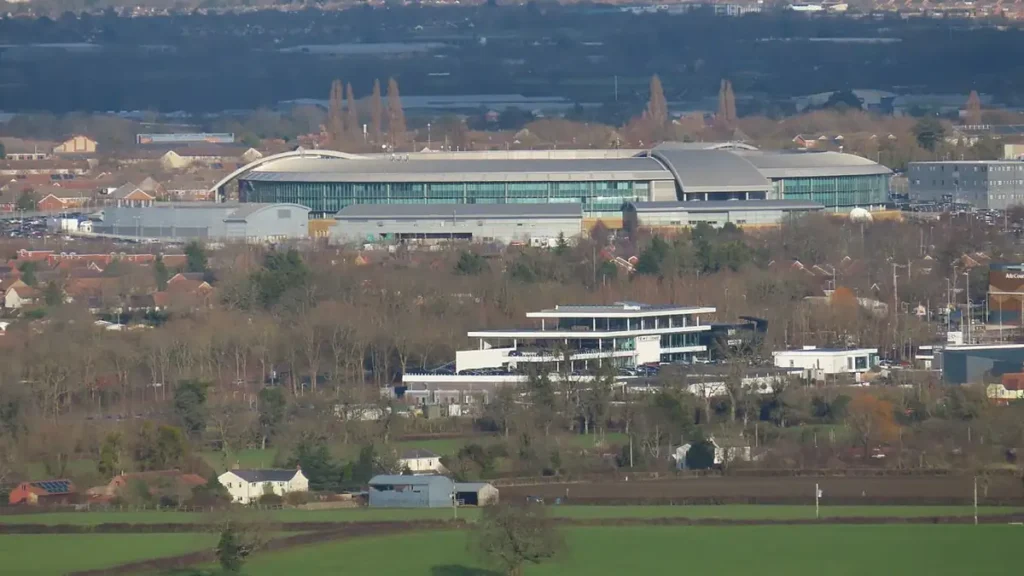
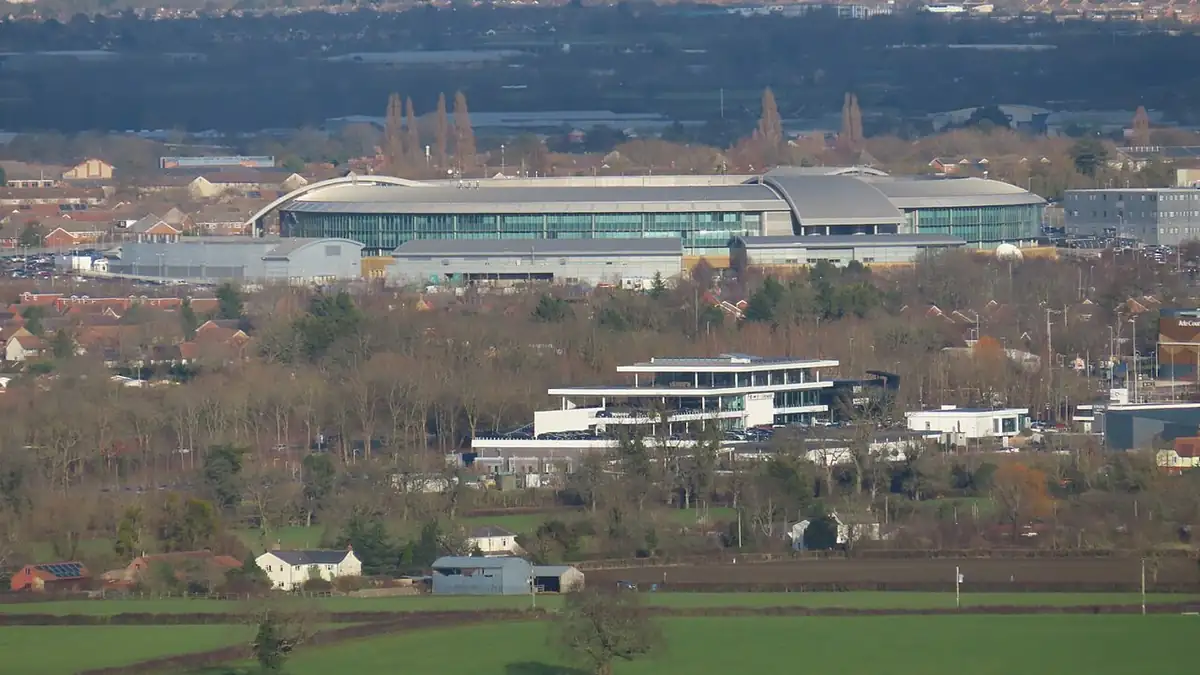
General Sir Rob Magowan confirmed the campaign during an interview with Sky News. He serves as the head of the military Cyber and Specialist Operations Command. A reporter asked him whether the National Cyber Force was conducting offensive operations. He answered that they were doing so and had been clear about that work. He stated that Russia, China, Iran and North Korea are a threat to our way of life. He explained that these four countries conduct regular attacks in digital networks. Magowan said British specialists can map the computer systems of rivals. His teams can then achieve an effect inside those systems. He stated that the UK will meet digital threats with direct counter measures. He spoke during the official opening of the new National Cyber Force headquarters in Samlesbury, Lancashire. King Charles attended the site on Monday to open the facility.
The public acknowledgment aims to deter enemies rather than build a defensive shield. Acknowledging an offensive strike capability does not remove vulnerability for the British homeland. The National Cyber Security Centre tracked 1,831 reported cyber attacks across Britain in the past year. Eighty of those incidents were classified as top-tier national emergencies. Hostile activity has already forced military realignments on British territory. The United States recently pulled military aircraft out of two RAF bases in England following foreign threats. Retaliatory hacking power cannot stop adversaries from probing domestic infrastructure.
Inside UK offensive cyber operations
Magowan described global tensions as an unresolved contest between nations. He noted that the UK is not at war. However, he emphasized that the nation is not at peace either. He stated that Britain operates in a hybrid zone below the threshold of armed conflict. Hostile states test computer defenses every day. Magowan explained that adversaries must learn that hostile digital actions bring costs. He stated that foreign actors operating in digital networks will meet British forces. He warned rivals that the UK will meet every threat with threat.
The open stance comes after several serious incidents linked to Iran on British soil. Police arrested five men near RAF Fairford in western England in September. American bombers had previously used the base to launch strikes against Iranian positions. In early October, Washington pulled all 12 of its B-1B bombers from the airfield. Prime Minister Andy Burnham stated that the plot was almost certainly directed by the Revolutionary Guards. American commanders also moved tankers and aircraft out of RAF Mildenhall in eastern England. Security officials raised the alert level at Mildenhall and nearby RAF Lakenheath to the second-highest tier. Intelligence agency MI5 reported more than 50 arrests in Britain over the past year tied to Iranian plots.
Physical disruption caused by digital sabotage has hit critical utilities and civilian logistics. In July, Iran-linked hackers seized control of a small gas power plant in Britain. That intrusion forced the power facility offline for about four days. Disruptions spread across continental Europe three months later. In October, hackers seized control of refrigeration systems across roughly 700 supermarkets in France. On the night of 1 November, food retailers in at least nine European nations suffered similar intrusions. Attackers also altered temperature controls on freezers storing patient blood supplies at the French national blood service.
Responsibility for the European attacks remains contested among international investigators. Two pro-Russian hacking collectives, NoName057(16) and Z-Pentest, claimed credit for the supermarket outages. The Russian government denied any part in the operations. Kremlin spokesman Dmitry Peskov called the accusations absurd. French authorities reached a different conclusion regarding the disruption. France attributed the attacks to Shahid Kaveh, an offensive cyber unit within the Revolutionary Guards.
Senior military officers have expressed deep concern over British technical resilience. General Sir Jim Hockenhull served as Magowan’s predecessor until he stepped down in June. Hockenhull issued a direct warning to the Government regarding defense technology. He cautioned ministers against relying on artificial intelligence contracts procured from foreign vendors. He stated that the world has rarely felt less safe.
The public acknowledgment does not introduce a new military policy for the United Kingdom. Instead, it serves as an open assertion of capabilities that British agencies have operated in secret for years. The announcement arrives at a fragile moment for British state capacity. While commanders promote their technical prowess abroad, his predecessor warned against relying on artificial intelligence contracts obtained abroad. Domestic technical infrastructure remains fragile even as the state claims new offensive power.
What is the National Cyber Force?
The National Cyber Force is the dedicated British organization responsible for conducting offensive operations in digital environments. Established in 2020, the unit combines personnel from civilian intelligence services and armed forces. It brings together the intelligence agency GCHQ, the Ministry of Defence, the foreign intelligence service MI6, and the Defence Science and Technology Laboratory. The force operates under joint military and intelligence leadership to disrupt hostile communications and infrastructure. Its operators work to counter state-sponsored espionage, disrupt online criminal networks, and support military missions deployed overseas.
Britain has confirmed that it conducts offensive cyber operations against adversaries including Russia, China, Iran and North Korea. Military commanders maintain that these digital strikes create consequences for foreign aggression. However, domestic infrastructure and allied military bases continue to experience foreign disruption. A new operations center is now open in Lancashire. British forces remain deployed across contested digital networks to counter ongoing hostile campaigns.