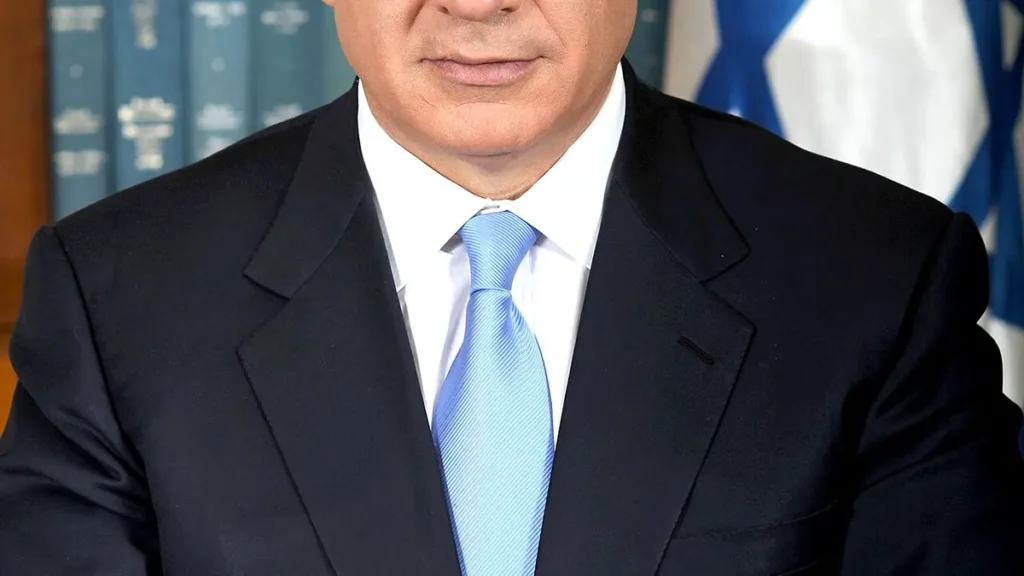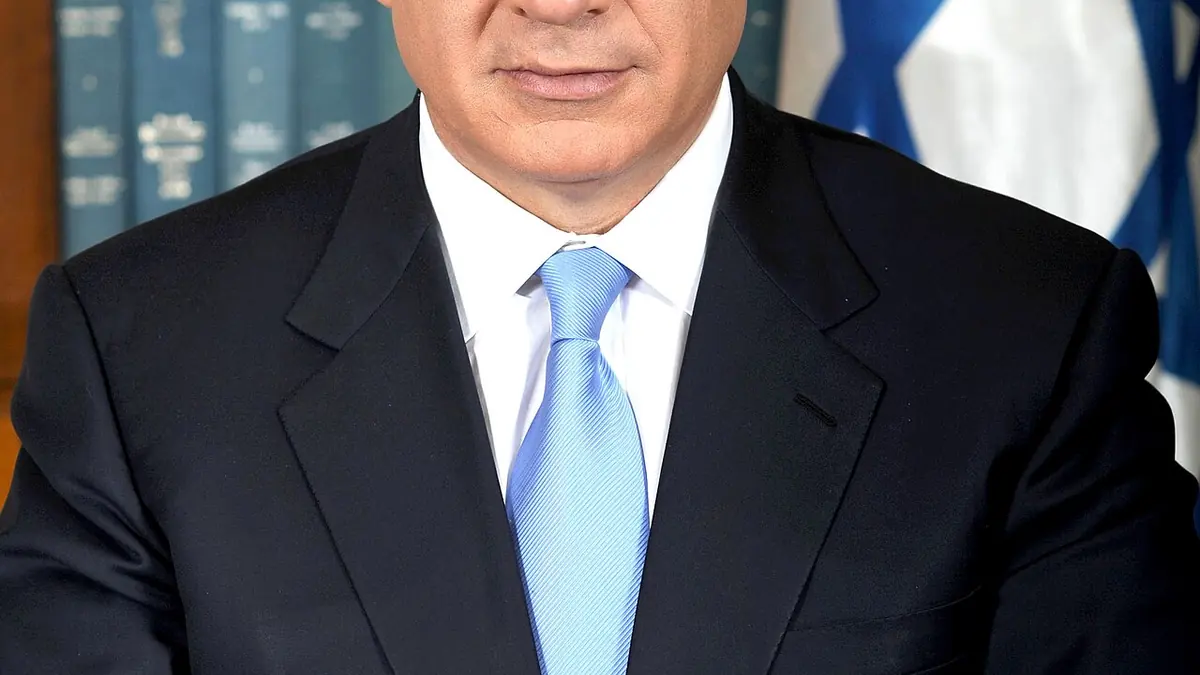
By 4:00 PM local time Tuesday, 55.7% of eligible Israeli voters had already cast their ballots — the highest turnout recorded at that hour since the Central Elections Committee began tracking the figure. As polls across the country close at 10:00 PM local time (20:00 UTC / 4:00 PM EDT), that number points to something larger than a routine shift in government: Israelis are delivering their first collective verdict on Benjamin Netanyahu since the October 7, 2023, Hamas attack.
Seven point three million Israelis are eligible to vote in this election, which sees 120 Knesset seats contested across 38 registered party lists. Benjamin Netanyahu, 77, leads the incumbent Likud party after approximately 19 years in power combined. His primary challenger is Gadi Eisenkot, a former Israel Defense Forces chief of staff who now leads the new centrist party Yashar! Exit polls from Israeli television networks are scheduled for release the moment voting ends at 20:00 UTC, with official Central Elections Committee results expected overnight. Coalition negotiations would likely begin later this week.
For international observers, global energy markets, and US taxpayers funding regional defense, tonight’s vote determines whether Israel pivots toward post-war diplomacy or doubles down on military confrontation with Iran and Lebanon. With exit polls dropping at 20:00 UTC (4:00 PM EDT), a fragmented 120-seat Knesset means weeks of coalition negotiations ahead — leaving US-Middle East security policy and billions in reconstruction aid hanging in the balance.
The Eisenkot Challenge and the Coalition Math
Gadi Eisenkot’s Yashar! party is running on a direct accountability argument: that Netanyahu’s security decisions before and after October 7 cost Israeli lives and left the country militarily overextended across Gaza, Lebanon, and the Iranian front simultaneously. Netanyahu, by contrast, has campaigned on his close personal relationship with US President Donald Trump and their joint authorization of strikes on Iranian nuclear infrastructure in 2025, framing the election as a choice between strength and capitulation.
The problem for anyone hoping for a clean result is the ballot itself. The Central Elections Committee approved 38 separate party lists competing for 120 seats, including new military-focused blocs like The Reservists alongside Eisenkot’s Yashar! Any party that fails to clear the 3.25% electoral threshold loses every vote cast for it. With so many splinter parties near that line, Netanyahu’s path to the 61-seat majority he needs to form a government may come down less to the popular vote and more to whether centrist and anti-Netanyahu ballots get diluted across parties that don’t make it into the Knesset.
In Jerusalem on Tuesday morning, 58-year-old real estate agent Uriel Brandler described the mood to wire reporters as total national exhaustion — a desire for change after three years of conflict that left southern Lebanon under Israeli occupation, Gaza largely reduced to rubble, and domestic spending rerouted toward military operations.
Frequently Asked Questions
When do polls close in the 2026 Israel election? Polls across Israel close at 10:00 PM local time (20:00 UTC / 4:00 PM EDT) on Tuesday, October 27, 2026. Television exit polls are released immediately at closing, while the Central Elections Committee counts the ballots cast overnight, with final coalition math taking days to certify.
Who is Netanyahu’s main opponent in the 2026 election? Gadi Eisenkot, a former IDF chief of staff, leads the centrist Yashar! party in opposition to Benjamin Netanyahu’s Likud. Eisenkot has made his campaign a direct referendum on Netanyahu’s handling of the October 7 attack and the multi-front military aftermath that followed.
What is the voter turnout in Israel’s 2026 election? Israel recorded 55.7% voter turnout by 4:00 PM local time — the highest recorded at that hour since the Central Elections Committee began tracking. Final totals will be confirmed once polls close at 20:00 UTC.
Exit poll results are expected the moment polls close at 20:00 UTC. For a coalition to form, a party or bloc must secure 61 of the 120 Knesset seats. Check back for live updates as results arrive.