Senators Grill DHS Secretary Kristi Noem Over Minneapolis Killings, Ad Spending, and Executive Overreach
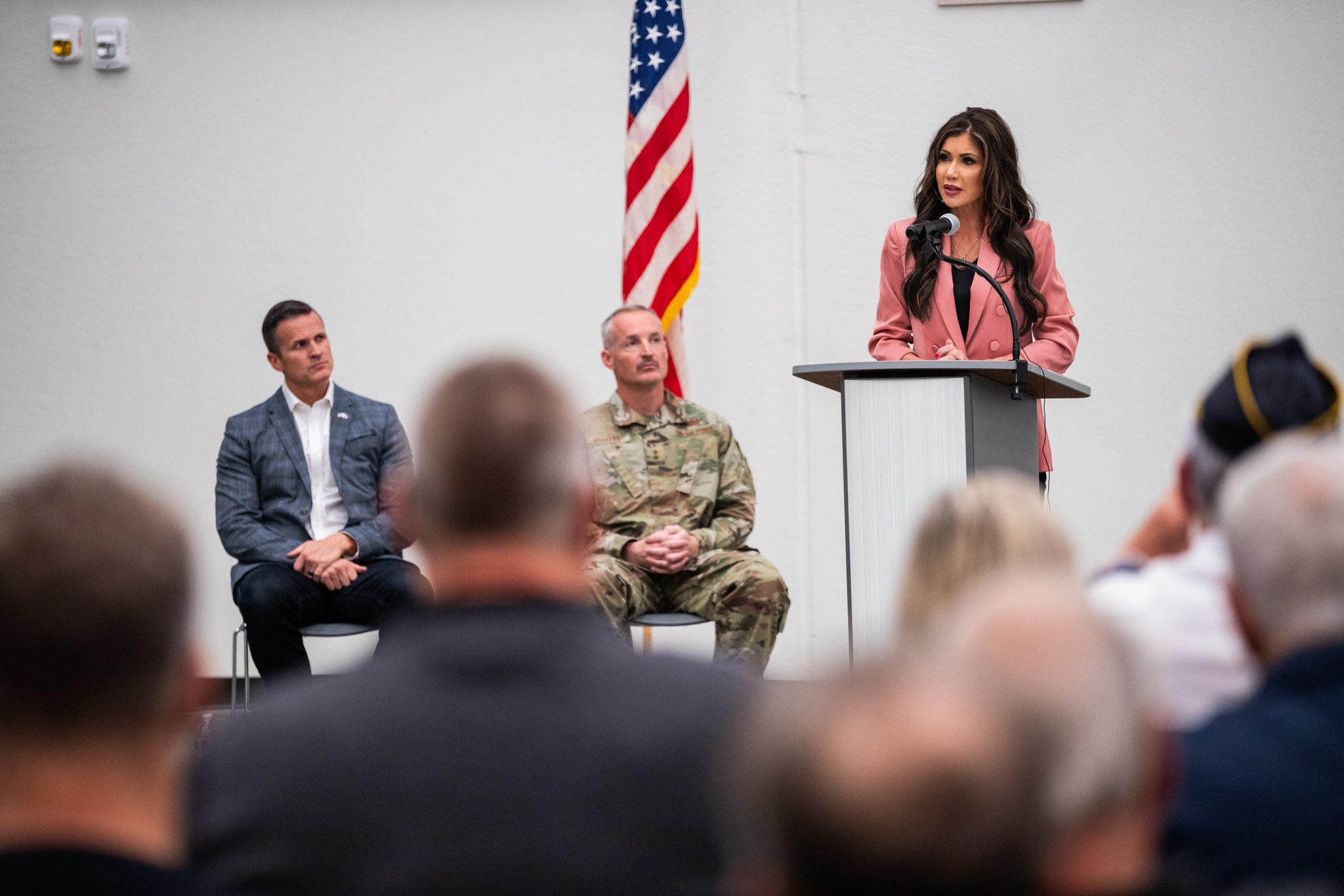
Homeland Security Secretary Kristi Noem faced pointed questions from Democrats and a number of Republicans during a two-day appearance before the Senate Judiciary Committee in early March 2026. Senators pressed her on her public descriptions of two U.S. citizens killed by DHS officers in Minneapolis, her agency’s use of administrative warrants to search private homes, the department’s expensive advertising campaign, and whether immigration officers could be deployed to polling places ahead of the midterm elections.
The hearing covered a broad set of contested issues. Noem and some Republican senators also criticized Democrats for a partial shutdown of DHS operations, while Noem noted the department had begun re-vetting some migrants following U.S. military strikes on Iran over the prior weekend — though she offered no specifics on any resulting security threats. What emerged from the hours of testimony was a detailed account of how DHS under Noem’s leadership has been operating — and where the lines of congressional oversight are now being drawn.
Key Numbers
The Hearing at a Glance
These are the figures senators cited directly from hearing testimony and official records.
Events in Order
How the Story Unfolded — From Appointment to Testimony
Follow the sequence of events that led to the Senate hearing. Tap any card to read more detail.
Interactive Map
Where Key Events Took Place
Click each map marker for location-specific context. All three sites were central to the Senate hearing testimony.
On the Record
Direct Statements from the Hearing Transcript
These are verbatim quotes from senators and Secretary Noem, taken directly from Senate hearing testimony and official proceedings.

Constitutional Context
Rights That Were Directly Raised at the Hearing
The senators’ questions were grounded in specific constitutional protections. Select each to see what the provision says — and how it connected to the hearing testimony.
DHS Spending Under the Microscope
Figures Raised by Senators at the Hearing
All dollar amounts cited below came directly from Senate testimony or official records. Federal contract data is publicly accessible at USASpending.gov. Oversight reports are maintained by the U.S. Government Accountability Office.
Six Key Exchanges
What Senators Asked — and What Noem Said
The most consequential moments from the hearing, organised by exchange. Tap to read the full account of each confrontation.
The Hearing on the Record: Due Process, Spending, and the Limits of Executive Authority
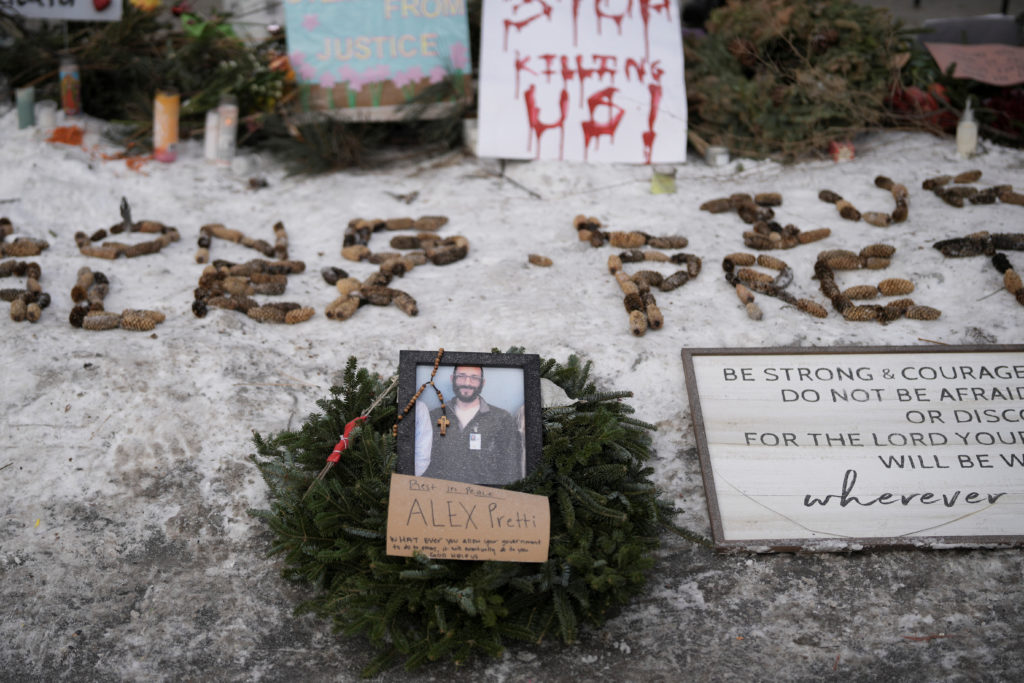
The Senate Judiciary Committee hearings on March 3–4, 2026 covered the deaths of two U.S. citizens — Renee Good and Alex Pretti — at the hands of DHS officers in Minneapolis, the public characterisation of those individuals as linked to domestic terrorism before any legal proceedings, and Noem’s repeated refusal to retract those descriptions. The acting ICE director’s prior testimony to senators — that he saw no evidence to support the terrorism claims — was part of the broader record before the committee.
The hearing also addressed DHS’s $220 million advertising campaign, including a subcontract awarded to a firm formed 11 days before its selection; the use of a reported $70 million executive jet; the use of DHS administrative warrants signed within the executive branch rather than by independent judges; and the question of whether immigration enforcement officers could be deployed to polling places ahead of the midterm elections. Noem’s testimony ran across two days. Senators from both parties were among those who raised concerns about her answers. The constitutional provisions cited during questioning — the Fourth, Fifth, and Sixth Amendments — and the Supreme Court’s ruling in Hamdi v. Rumsfeld were part of the legal framework senators drew on during the proceedings.
The hearing was also covered in the broader context of Senate Judiciary oversight hearings on the current administration and ongoing immigration legislation. The Minnesota Department of Public Safety and the Minnesota Bureau of Criminal Apprehension are among the agencies involved in the investigation of the Minneapolis incidents.
First-Hand Sources Only
Official & Government Sources Referenced
No third-party media outlets. All links go directly to government agencies, constitutional archives, or official legal records.
More on CruxBuzz
Related Coverage
Background and context on the people, policies, and institutions covered in this story.