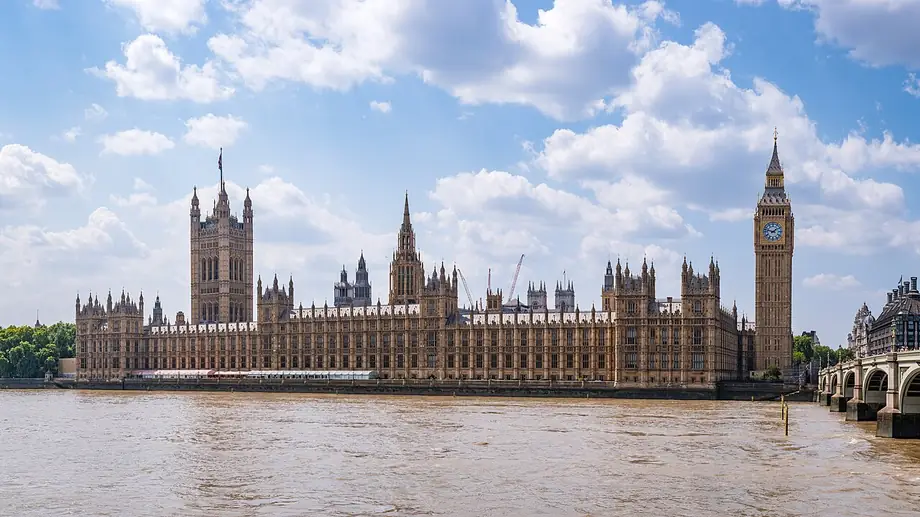
Prime Minister Andy Burnham will set out a new agreement with Brussels before Parliament on Monday 23 November 2026. The presentation follows negotiations concluded with European leaders on Friday. The UK-EU deal agreed by Burnham will take centre stage in the House of Commons. The prime minister intends to defend the terms against mounting political criticism.
European leaders welcomed the pact after the summit. European Commission President Ursula von der Leyen called the agreement a very emotional moment. In Britain, First Secretary of State Louise Haigh defended the package during a speech to business leaders. She told the CBI conference that ministers secured a far better deal for Britain.
The political stakes in Westminster are high, with the opposition promising to scrap the agreement if they win the next general election. The deal exposes deep divisions across British politics over trade, youth travel, and environmental regulations. The government projects that the changes will ease household pressures on food prices and expand trade. However, fierce resistance from rival parties ensures that the settlement will remain a central battleground in upcoming electoral contests. Conservative leaders have already pledged to dismantle the agreement at the earliest legislative opportunity.
Pillars of the Agreement and Political Backlash
The agreement rests on three main policy pillars designed to rebuild economic relations with Europe. First, the pact establishes a youth mobility scheme between the United Kingdom and EU member states. Second, the treaty eliminates most border checks on British food exports entering the European market. Third, the accord links the UK emissions trading system directly with the European Union carbon trading network.
Ministers argue that these measures will deliver financial gains across key sectors. The government says the deal could add £17 billion to the UK economy over time. Conservative leader Kemi Badenoch strongly rejected that economic assessment. She called the deal terrible and claimed the £17 billion figure was plucked out of the air. Badenoch also argued that Europe is not the market of the future for British enterprise.
Opposition to the treaty extends beyond the current Conservative leadership. Three former prime ministers have raised concerns about the terms negotiated in Brussels. Reform leader Nigel Farage attacked the proposal, stating that the prime minister has no democratic mandate for the changes.
Burnham plans to counter this opposition by presenting the pact through a domestic economic lens. He is framing the deal as a choice between easing the cost of living and allowing food prices to rise. He also frames the decision as a choice between creating opportunities for young people and denying them. Government officials maintain that reduced border friction will directly protect family food budgets.
The debate reveals an unusual political divide over the nature of the agreement. The same agreement is being sold as a cost-of-living measure and attacked as an unconstitutional reversal of Brexit. Ministers present technical border easements as practical relief for grocery shoppers. Meanwhile, critics treat those identical provisions as an illegitimate retreat that bypasses the democratic results of past national votes.
What is in the UK-EU deal? The agreement contains a youth mobility scheme, scrapping most checks on British food exports, and linking the EU and UK emissions trading systems.
The parliamentary presentation opens a contentious debate over Britain’s post-Brexit trading landscape. Burnham will lay out the treaty terms to lawmakers while facing immediate pressure from opposition benches. With rival parties pledged to overturn the measure, the Commons statement and any later vote are the next steps for Parliament.