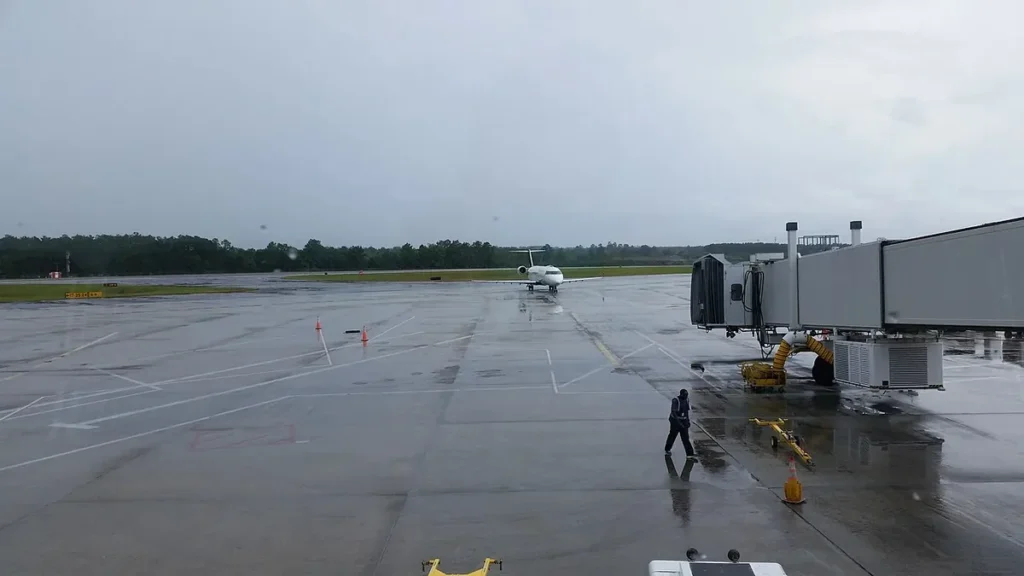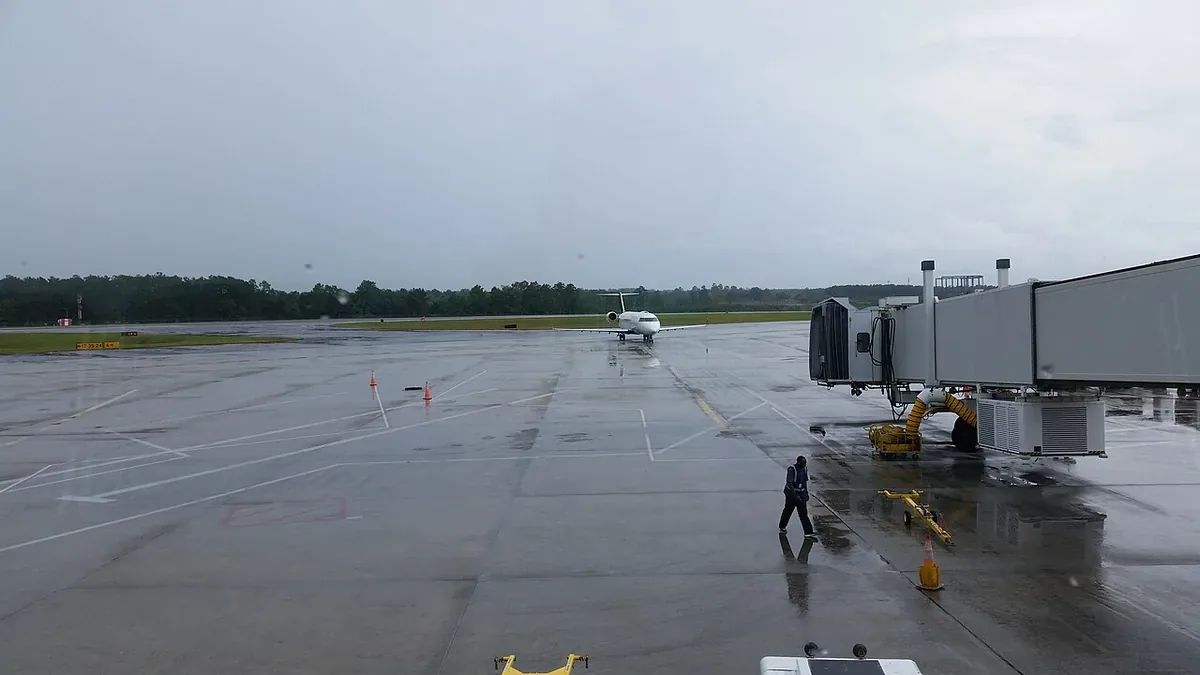
Missing a connecting flight became an immediate worry for travellers on tight schedules on Sunday morning. Holiday travellers across the United States faced sudden confusion and disruption as delays hit Delta flights nationwide. The disruption began as airport terminals filled with seasonal crowds ahead of Thanksgiving, one of the busiest travel periods of the year.
On Sunday, 22 November 2026, widespread Delta flight delays spread across the United States after a failure in the airline’s automated weight-and-balance system. The Federal Aviation Administration first issued a ground stop for Delta flights bound for Hartsfield-Jackson Atlanta International Airport. Delta requested the restriction. It applied to Delta and its regional carriers flying into Atlanta from airports across the contiguous United States. The ground stop lasted roughly an hour. The federal agency then downgraded it to a ground delay program that let flights depart at staggered intervals. Federal officials removed the Atlanta ground delay shortly before 12:50 p.m. Eastern time. The reported average departure delay was 57 minutes. The longest projected delay reached 1 hour 51 minutes.
For passengers with a flight connection through Atlanta, the delay created an immediate travel disruption. When an inbound plane touches down behind schedule, travellers can miss their connecting flight before reaching the departure gate. A passenger who misses a connection may have to be rebooked on a later flight. Atlanta serves as Delta’s primary hub and a major connecting point. A delayed inbound aircraft also pushes back the next flight it is scheduled to operate.
Why the Delta Flight Delays Spread
A weight-and-balance calculation works out how an aircraft is loaded and where its center of gravity sits before takeoff. Without this calculation, an aircraft cannot legally depart. The Federal Aviation Administration said the problem came from Delta’s own operations technology. The agency confirmed the glitch was not part of its air traffic control system.
Delta staff calculated aircraft weight and balance by hand while technicians worked to restore the system. The airline explained its response in an official statement. “Delta teams are using manual workarounds this morning to safely get flights departed while work continues to restore automation.” The carrier also praised its employees and passengers. “We thank our customers for their patience and our people for their professionalism.” Delta worked with air traffic controllers to protect airport gates and tarmac areas from congestion in Atlanta.
FlightAware recorded 364 delayed flights at the Atlanta airport during the outage. Those delays included roughly 200 arrivals and 164 departures. By 11:30 a.m., 1,010 Delta flights had suffered delays nationwide. That figure accounted for about 30% of the airline’s daily schedule.
The disruption came just days before Thanksgiving. Thanksgiving is one of the busiest travel holidays across the nation. Hartsfield-Jackson Atlanta International Airport expects over 4 million passengers between 19 November and 1 December. That passenger total is a 5% increase on the same period last year. Airport officials forecast 20 November as the busiest day with over 364,000 passengers. They also identified 29 November as another travel peak.
This weekend disruption followed a separate nationwide ground stop on 13 November. That earlier shutdown was caused by problems with the telecommunications network run by the Federal Aviation Administration. Those telecommunications problems affected radar and communications used by air traffic controllers. Sunday’s trouble came from an internal airline system rather than federal equipment. Both events produced ground stops across American airports within the same month.
What caused the Delta flight delays was a failure in the airline’s automated weight-and-balance system. The software calculates weight distribution across the aircraft to ensure safe operating limits. The Federal Aviation Administration confirmed the problem came from Delta’s internal operations technology. The federal agency stated that the failure was not an air traffic control issue. Delta used manual calculations until the automation was restored.
Sunday’s automation breakdown produced hundreds of flight delays across the country during a peak travel period. Federal ground restrictions ended by early afternoon as manual calculations helped move grounded aircraft. Key details about the operational setback remain unconfirmed. Delta did not give a total count of affected flights. The airline also did not say when the automated system would be fully restored.