India’s T20 Selection Crisis: Data Exposes World Cup 2026 Risks
India’s T20I squad for the upcoming series reveals troubling selection patterns that could derail World Cup 2026 ambitions. Analysis of IPL 2025 performance data shows multiple high-performers excluded while underperformers retain spots, raising questions about the selection committee’s decision-making process.
Former selector Kris Srikkanth’s sharp criticism echoes growing concerns, particularly after India’s recent struggles against traditional rivals. With the T20 World Cup just four months away, the exclusion of players like Yashasvi Jaiswal (559 IPL runs), Prasidh Krishna (25 wickets), and Shreyas Iyer (604 runs at 175 SR) while retaining Rinku Singh (206 runs) and Harshit Rana (15 wickets) defies statistical logic.
According to BCCI’s recent announcements, the selection panel maintains they’ve picked the “best available squad,” but performance metrics tell a different story. The dashboard below presents irrefutable data comparing excluded performers with current selections, exposing the gap between rhetoric and reality.
Selection Analysis Dashboard
Excluded Stars vs Current Squad
🎯 Recent T20I Form Analysis (2025)
- Tilak Varma 72*, 69*, 49*, 24/19 – Rarely fails, anchors & finishes
- Abhishek Sharma 135 (ENG), 79, 75 (BAN), 61 (SL), 68 (AUS) – High ceiling impact
- Hardik Pandya 53 (Rajkot), 53 (Pune), 38 (BAN) + wickets – Best seam AR
- Varun Chakravarthy 5/24 (ENG), 3/23, regular 2-fors – Match-winning middle overs
- Axar Patel Wickets in every series, economical, handy 15-21 with bat
- Kuldeep Yadav 4/30 (PAK final), multiple 2-fors – Breaks partnerships
- Jasprit Bumrah Consistent 2-wkt spells, controls death – Not the MCG problem
- Ravi Bishnoi 3/28 (ENG), tight spells across series
- Suryakumar Yadav (C) 0, 2, 5, 12, 1 – Lean run despite 360° pedigree
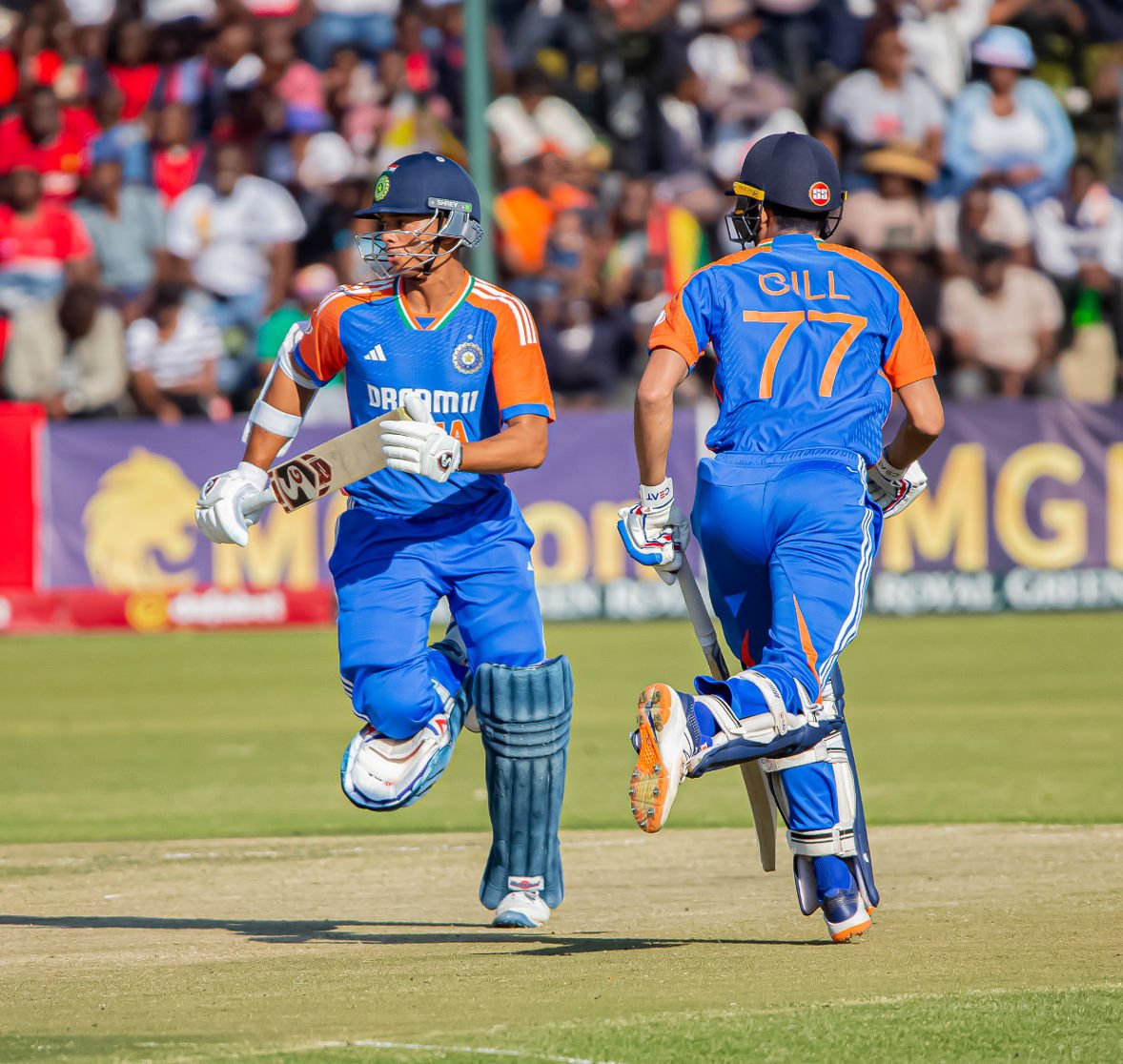
- Shubman Gill (VC) 12, 29, 4, 12, 5, 0 – Start dismissals too often
- Sanju Samson 26, 24, 39 but also 1, 3, 5 – Volatile output
- Harshit Rana 3/33 (ENG) vs 1/54 (SL), 0/27 (AUS) – Phase control missing
- Arshdeep Singh 2/17 (ENG) but expensive outings vs SL, ENG chase
- Washington Sundar One useful 26, limited usage = low management trust
Issue: Start dismissals too often in pressure situations. Needs conversion improvement.
Issue: Phase control missing, inconsistent economy rate.
Concern: Lean run despite 360° batting pedigree. Best batter on pedigree but current returns worrying 4 months before WC.
Role: Rarely fails, anchors at 130-140 SR and finishes overs. Most reliable middle-order bat.
Impact: High ceiling, frequent PP impact. Few low scores but overall very strong.
Issue: WK fine but batting output volatile. Needs consistency in top-order role.
Bowling: Wickets across ENG/SL/BD series. Best seam all-rounder impact.
Impact: Match-winning middle-overs specialist. Breaks partnerships consistently.
IPL 2025 Performance Comparison
Top Run Scorers
Strike Rates Comparison
Recommended World Cup 2026 XI
Key Changes: 4 new inclusions based on current form
Average Team Strike Rate: 162.4 (Current: 145.2)
Recent T20I Results
Key Pattern: Top-order collapses in pressure situations (Gill: 5, 12, 4 | Samson: 2, 24, 39 in recent matches)
Immediate Actions Required
Timeline for Implementation
- November 2025: Announce selection criteria publicly
- December 2025: Bilateral series to test new combinations
- January 2026: Finalize core XI
- February 2026: T20 World Cup begins
Critical Statistics That Demand Action
The data presented above represents official statistics from IPL 2025 and recent international matches. As covered in our previous World Cup analysis, leadership decisions directly impact tournament outcomes.
The Path Forward
The selection committee faces a clear choice with the T20 World Cup 2026 approaching. Current selections show preference for reputation over form, with IPL 2025’s top performers systematically excluded. The data presented reveals Jaiswal, Prasidh Krishna, Shreyas Iyer, and Dhruv Jurel outperformed their selected counterparts across key metrics.
Recent results against Australia exposed vulnerabilities in the current setup, particularly in death bowling and middle-order acceleration. The Melbourne defeat saw India bowled out for 125, with only Abhishek Sharma showing resistance. These patterns mirror concerns raised during previous World Cup campaigns.
With the tournament scheduled for February-March 2026 in India and Sri Lanka, according to ICC’s official schedule, time remains for course correction. The selection panel must prioritize current form over past reputations, establish transparent selection criteria, and build combinations suited for home conditions.
Former selector Srikkanth’s assessment that this team might win the Asia Cup but not the World Cup reflects growing concern within cricket circles. The exclusion of match-winners while retaining underperformers suggests systemic issues beyond individual selections. As discussed in our analysis of selection controversies, transparency and merit-based decisions remain crucial for success.
India possesses the talent pool to defend their T20 title at home. The question remains whether the selection committee will embrace data-driven decisions or continue with selections that defy statistical logic. The next four months will determine if India enters the World Cup as genuine contenders or merely participants.