Russian Ship Drone Attack in the Baltic: Sparta II Hit as Finland Tightens Security
A Russian merchant ship caught fire after a drone strike in the Baltic Sea on Saturday. The incident prompted Nordic and Baltic militaries to launch emergency security measures. Flames erupted on the vessel before it drifted toward foreign waters. Emergency crews mobilized quickly across northern Europe. The confrontation brings the war in eastern Europe directly into one of the busiest maritime corridors in the world.
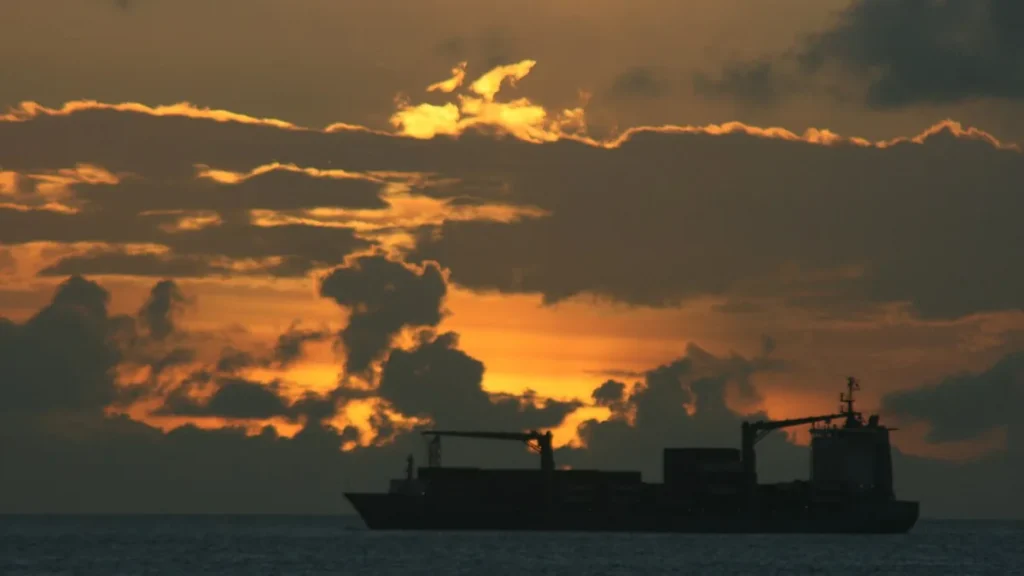
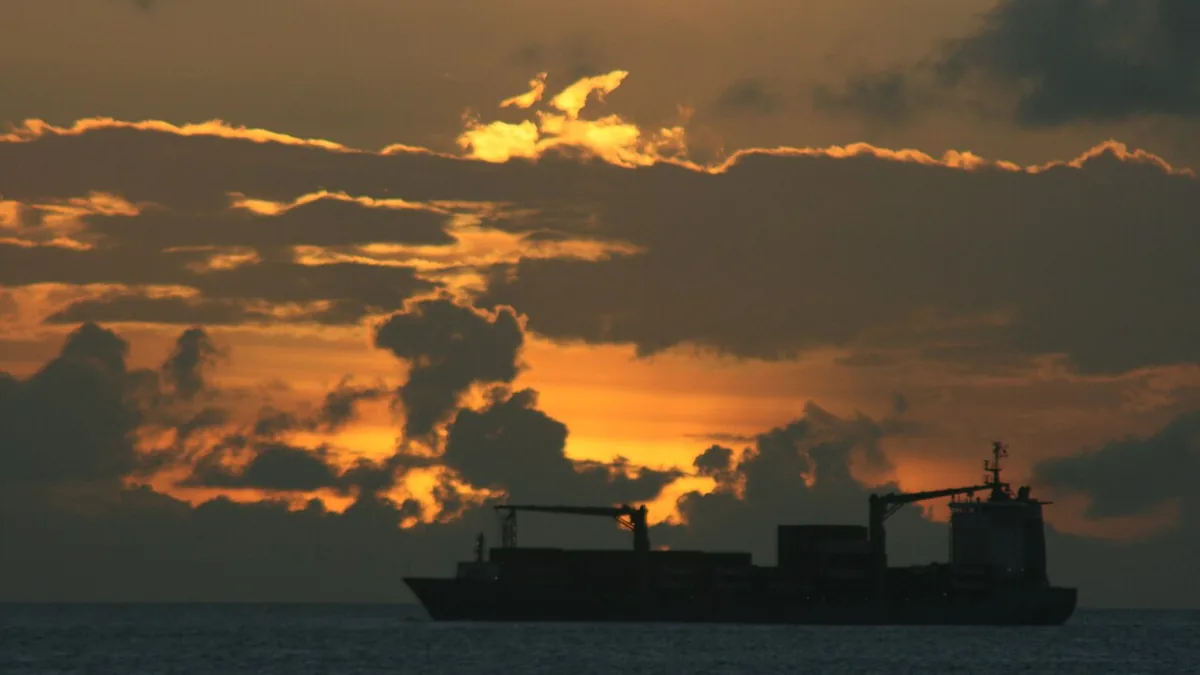
The Russian ship drone attack Baltic incident took place on Saturday, 21 November 2026, in the Gulf of Finland. The cargo ship Sparta II was travelling toward the Russian exclave of Kaliningrad. Drones struck the vessel in international waters west of Russia’s Gogland island. The island sits about 40 kilometres from the Finnish coast. Leningrad region Governor Aleksandr Drozdenko stated that two drones hit the ship three nautical miles from the Russian border. He added that air defence units shot down 80 drones over the Leningrad region. The Sparta II caught fire and drifted into Finnish territorial waters. All 16 crew members evacuated onto lifeboats before a nearby Russian vessel rescued them. Finnish Border Guard Commander Ilja Iljin noted the vessel has known ties to Russia’s armed forces. Commander Iljin stated that authorities could not rule out military supplies on board.
This strike directly affects observers following international security. The incident pulled Finnish, Swedish and Estonian armed forces into an immediate military response. Both Finland and Sweden joined NATO recently, ending decades of military non-alignment. Finland entered the alliance in 2023, while Sweden joined in 2024. Swedish aircraft flew under Finnish command and Estonia sent a naval vessel, showing how quickly the allies can be drawn into a live response. The Baltic Sea has transformed into an active flashpoint where local clashes could create friction between Moscow and the Western alliance.
Regional Military Response and Airspace Alerts
Finnish authorities reacted immediately to the incident near their territorial boundary. The Defence Ministry reintroduced temporary aviation and maritime restrictions across the eastern Gulf of Finland. Officials explained that these precautions protect civilians. The rules also allow emergency teams to intercept aerial drones safely. Finland officially informed NATO about the situation shortly after the strike occurred.
Tensions deepened several hours after the ship caught fire. Finland’s Defence Ministry reported that a Russian helicopter was suspected of violating Finnish airspace. The aircraft allegedly penetrated Finnish airspace by up to 4.1 kilometres. Finnish officials noted that the suspected violation might connect to Russian search, rescue or surveillance flights.
Neighbouring allied states joined the operational response to assist Helsinki. Swedish Prime Minister Ulf Kristersson confirmed that Sweden was monitoring developments closely and had offered help. Swedish Defence Minister Pal Jonson stated that Swedish combat aircraft operated under Finnish command. These allied fighter jets helped safeguard Finnish and NATO territorial integrity during the crisis.
Estonian forces also mobilized resources in the Gulf of Finland. Estonian Prime Minister Kristen Michal stated that the consequences of fighting Russian aggression had reached Baltic waters. She reiterated firm support for Ukraine. Estonia dispatched a specialized navy vessel to help put out the blaze and manage environmental pollution. Estonia’s Police and Border Guard Board reported that preliminary reports indicated explosions occurred aboard the Sparta II.
The waterway remains an essential commercial and military corridor for Russia, leading to the major port of St Petersburg. Despite the damage to the cargo ship, Kaliningrad Governor Alexei Besprozvannykh assured residents that regional supply chains faced no disruption. The strike occurred just one day after a suspected Russian missile landed in eastern Poland. Warsaw described that separate border incident as a provocation. Finnish Prime Minister Petteri Orpo addressed the maritime strike on social media. He stated that the war is spreading into neighboring regions. He added that Finnish authorities are managing the incident and asserted that Ukraine has the right to fight against the aggressor.
Investigators have not officially verified who attacked the Sparta II. Finnish armed forces spokesperson Aki-Mauri Huhtinen stated that Ukraine is likely behind the drone strike. Huhtinen added that military officials still do not know why the vessel was targeted. The Ukrainian government has not publicly claimed responsibility for the operation. No other military force has stepped forward to claim credit for the drone strikes.
The Sparta II incident concludes with the 16 crew members returning to Russia after their rescue. The damaged cargo vessel remains under close observation near Finnish waters. Regional flight and maritime restrictions stay active as authorities assess safety across the Gulf of Finland. Finland, Sweden and Estonia continue to monitor Baltic shipping lanes alongside their NATO partners.