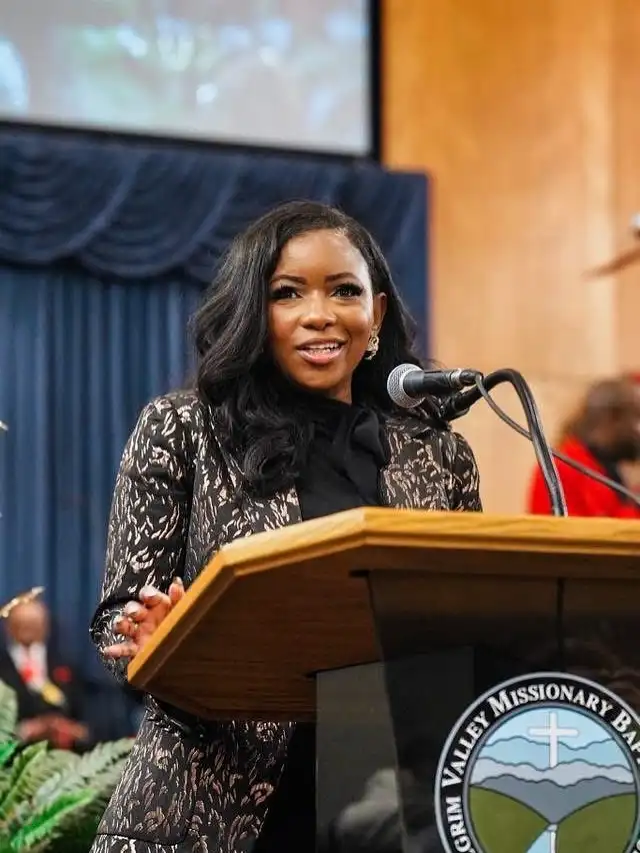
State Rep. James Talarico won the March 3, 2026 Texas Democratic primary for U.S. Senate, defeating U.S. Rep. Jasmine Crockett after a high-turnout contest shaped by a court fight over polling hours in Dallas County. According to unofficial returns from the
Texas Secretary of State election results portal, Talarico received about 52.8% of the statewide vote while Crockett received about 45.9%, with the remaining votes going to other candidates. Crockett conceded the race the next morning in a statement on
her official X account, saying Texas Democrats needed to remain united in the general election.
2026 Texas Democratic Senate Primary — Unofficial Result
James Talarico
State Representative · Democrat
52.8%
of statewide vote (unofficial)
Democratic Nominee
VS
Jasmine Crockett
U.S. Representative · D–Dallas
45.9%
of statewide vote (unofficial)
Talarico 52.8%Crockett 45.9%
Key Numbers from the Primary
4.3M+
Total ballots cast statewide in the March 3 primaries (all parties combined)
2.2M
Approximate Democratic primary turnout, exceeding Republican turnout for the first time since 2020
1994
Last year Democrats won statewide office in Texas, according to historical election records
254
Texas counties reporting results into the statewide unofficial tally
Campaign Fundraising Snapshot (Reported to FEC)
Approximate receipts reported in recent Federal Election Commission filings for the 2026 cycle, combining campaign committees and major allied spending where applicable.
Dallas County Polling-Hours Dispute
The Dallas County dispute centered on whether voters who were not in line by 7 p.m. could still have their ballots counted after a local court extended polling hours, and the way those ballots were handled after the Texas Supreme Court intervened. The legal back-and-forth involved a district court order, an emergency petition from the state, and a stay that required certain ballots to be separated while the case remained pending before the high court.
Weeks Before March 3
Local Republican organizations in Dallas and Williamson counties opted out of joint-primary agreements that would have supported countywide vote centers. Voters instead needed to cast ballots at assigned neighborhood precincts on Election Day, a change described in county notices such as the
Williamson County election advisory.
Election Day — Afternoon
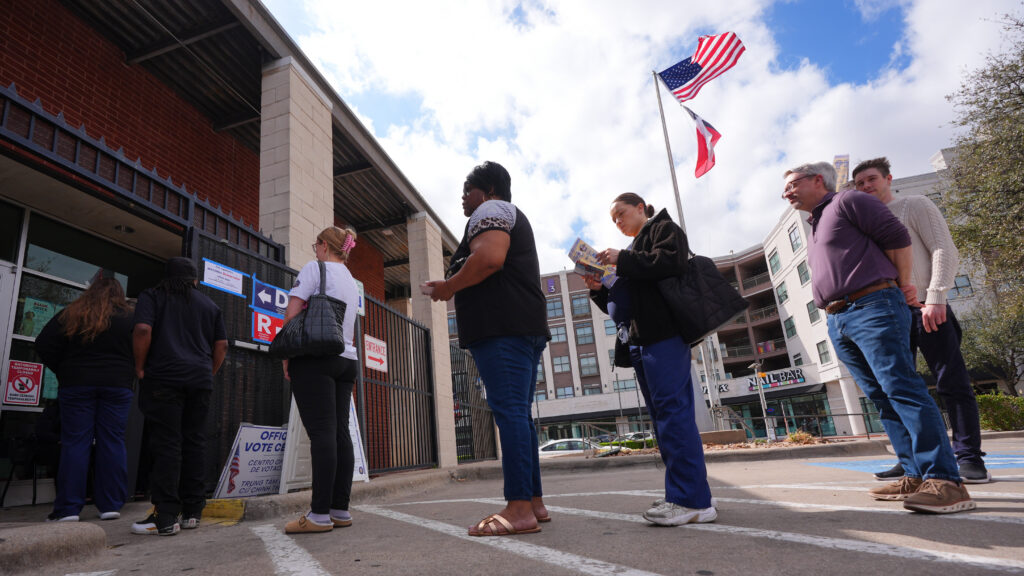
The Texas Democratic Party and local officials reported that some voters were being turned away after arriving at the wrong polling place under the precinct-only system. Crockett held a press conference stating that “significant” numbers of voters had been turned away and that at one voting site the proportion being turned away or allowed to vote was “basically one to one.”
Early Evening
In Dallas County, Judge Staci Williams of the 162nd Judicial District Court signed an emergency order extending polling hours for Democratic primary voters until 9 p.m., citing “mass confusion” about where voters were supposed to cast ballots. A similar extension was granted in Williamson County for certain locations.
Shortly After 7 p.m.
Texas Attorney General Ken Paxton filed a petition for writ of mandamus asking the Texas Supreme Court to block the Dallas County extension. The petition and related filings are posted on
Democracy Docket’s case page for the Dallas polling-hours extension, which links to the underlying documents.
Evening Orders
The Texas Supreme Court issued a stay of the Dallas County order and directed election officials to separate and set aside ballots cast by voters who were not in line by 7 p.m., as reflected in the March 3, 2026 orders published on the
Texas Judicial Branch Supreme Court orders page. Crockett told supporters that the ruling meant there was uncertainty over which Election Day votes from Dallas County would be included in the tally.
Night & Next Morning
While unofficial results continued to update from all 254 Texas counties, Crockett left her election night gathering after explaining that confusion and the legal dispute made it difficult to declare a final outcome. By Wednesday morning, with statewide returns showing Talarico ahead outside the range of the separated Dallas ballots, she called Talarico to concede and posted her statement on X.
Campaign Strategies and Voter Coalitions
Both campaigns promoted broadly progressive policy positions, but they differed in style, geographic focus, and which voters they tried hardest to reach. Polling and post‑election analyses described an electability debate that centered on the best way for Democrats to compete statewide in a state that has not elected a Democrat statewide since 1994.
Feature
James Talarico
Jasmine Crockett
Strategy
Coalition-building; campaign stops in rural and traditionally Republican areas
Base expansion; emphasis on mobilizing Black voters, young voters and infrequent voters
Messaging
Populist and faith-based “politics of love” language; focus on economic justice and statewide unity
Confrontational approach toward GOP; national profile from congressional hearings and debates
Fundraising
More than $15 million raised with help from high-spending outside groups, according to recent FEC data
About $4–5 million reported in recent filings, heavily supported by small-dollar online donors
Key Voter Strength
Competitive among Hispanic voters and white Democrats; gains in suburban counties
Strong support among Black Democrats and voters familiar with her voting-rights advocacy
Policy Differences
No clear progressive-versus-moderate split; differences were mostly about strategy, tone and which voters to prioritize
Key Statements from the Candidates
Texas is primed to turn blue and we must remain united because this is bigger than any one person. This is about the future of all 30 million Texans and getting America back on track.
Jasmine Crockett — Concession Statement on X
With the primary behind us, Democrats must rally around our nominees and win. I am committed to doing my part and will continue working to elect Democrats up and down the ballot.
Jasmine Crockett — Concession Statement
Tonight, the people of our state gave this country a little bit of hope, and a little bit of hope is a dangerous thing.
James Talarico — Primary Night Remarks
Every vote must be counted. The voter suppression in my home county and Congresswoman Crockett’s home county underscored the gravity of this moment.
James Talarico — Election Night Comment
Republican Senate Primary Runoff
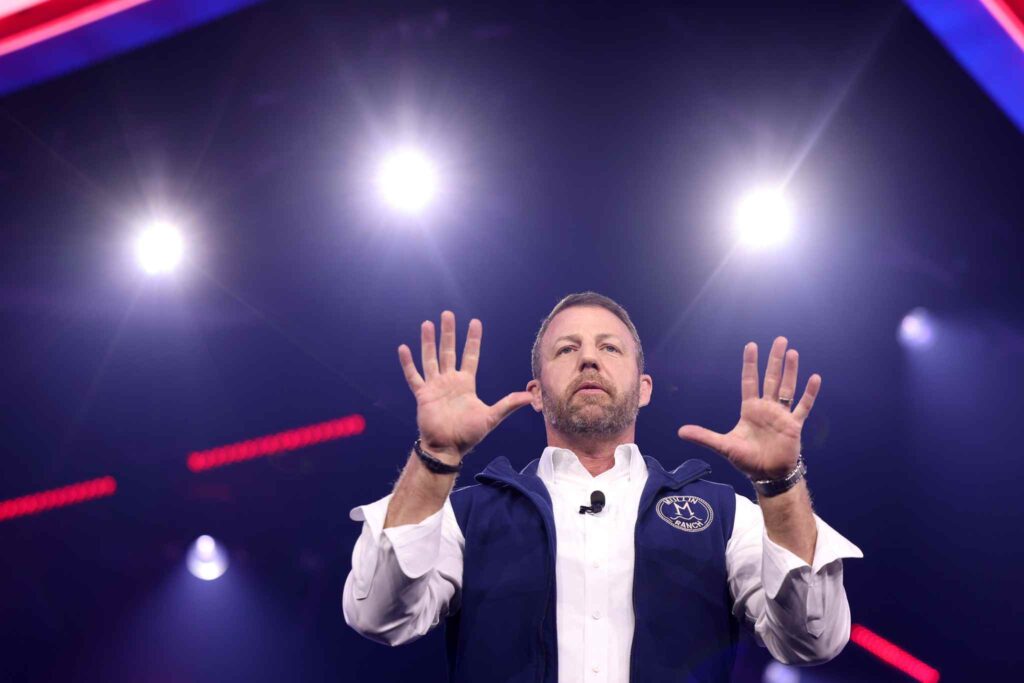
While Democrats settled on Talarico as their nominee, Republicans are headed toward a runoff between incumbent Sen. John Cornyn and Texas Attorney General Ken Paxton. Neither candidate reached the majority threshold required to win the nomination outright under Texas law, so their race continues into a separate runoff round.
GOP U.S. Senate Primary — Unofficial Shares
Sen. John Cornyn
≈42%
Incumbent senator seeking a fifth term
AG Ken Paxton
≈41%
Texas attorney general backed by Trump-aligned voters
Unofficial returns show U.S. Rep. Wesley Hunt in third place with roughly 13% of the vote. Cornyn and Paxton are scheduled to meet in a runoff on May 26, 2026, under the state’s election calendar. Official runoff dates and candidate filings are maintained on the
Texas Secretary of State elections portal.
What Happens Next with the Separated Ballots
The Texas Supreme Court stay directed Dallas County officials to segregate ballots cast by voters who were not in line by 7 p.m. on Election Day. In practice, these ballots are stored apart from other ballots and tracked separately so that they can be included or excluded later, depending on how the court ultimately rules on the mandamus petition. The March 3, 2026 orders and related documents are published on the
Texas Judicial Branch document page for that date.
Talarico’s statewide lead over Crockett is around seven percentage points based on unofficial tallies from the Secretary of State. The separated Dallas County ballots represent a much smaller share of the statewide vote. Public filings and county reports indicate that the number of separated ballots is lower than the statewide margin between the candidates, so even if all of those ballots were counted for Crockett, they would not be expected to reverse the statewide outcome.
After Election Day, Texas counties conduct canvasses to verify unofficial returns, address eligible provisional ballots, and finalize local results. Statewide canvassing and certification follow, according to timelines in the state’s primary and runoff election law calendar. The handling of separated ballots in Dallas County depends on the outcome of the pending mandamus before the Texas Supreme Court. The law calendar and official guidance are available on the
Texas Secretary of State advisory for the 2026 primary and runoff.
Texas has been involved in repeated voting-rights litigation over the last several decades, including disputes about voter identification laws, redistricting and voting procedures. Crockett first gained national attention as a state representative opposing a 2021 voting law that added new rules for voting in the state. For broader background on democratic participation and civic engagement, CruxBuzz has covered topics such as
empowering citizen engagement in politics and
the role of freedom of speech in democratic societies.
This section covered the unofficial result of the 2026 Texas Democratic primary for U.S. Senate, the turnout figures reported by the Texas Secretary of State, the Dallas County polling-hours dispute and ballot separation order reflected in Texas Supreme Court records, and the Republican Senate primary runoff between John Cornyn and Ken Paxton scheduled under the state’s election law calendar. The description of fundraising relied on recent Federal Election Commission filings, and the candidate statements were taken from their public remarks and official social posts. The status of the separated Dallas ballots was described as pending further action in the mandamus before the Texas Supreme Court.