Geralt’s Evolution: From Cavill to Hemsworth
Exploring the transition of The Witcher’s iconic character in Season 4
Netflix’s fantasy series “The Witcher” has undergone a significant change with Season 4, as Henry Cavill departed the role of Geralt of Rivia and Liam Hemsworth stepped in. This transition marks a pivotal moment for the show, which has become one of Netflix’s standout original productions since its debut in 2019.
The fantasy series, based on author Andrzej Sapkowski’s novels and the popular video game series, continues its journey with a new face for its protagonist. For fans wondering about the details behind this casting change and how it affects the show’s direction, this interactive guide breaks down everything you need to know about both versions of the monster-slaying witcher and how the series handled this significant transition.
As “The Witcher” moves toward its fifth and final season, the change in its lead actor represents just one aspect of the show’s evolution. Viewers can also expect changes in tone and approach similar to other gaming adaptations as the series builds toward its conclusion.
The Witcher Casting Timeline
Follow the journey of “The Witcher” series and the key moments that led to the transition from Henry Cavill to Liam Hemsworth as Geralt of Rivia.
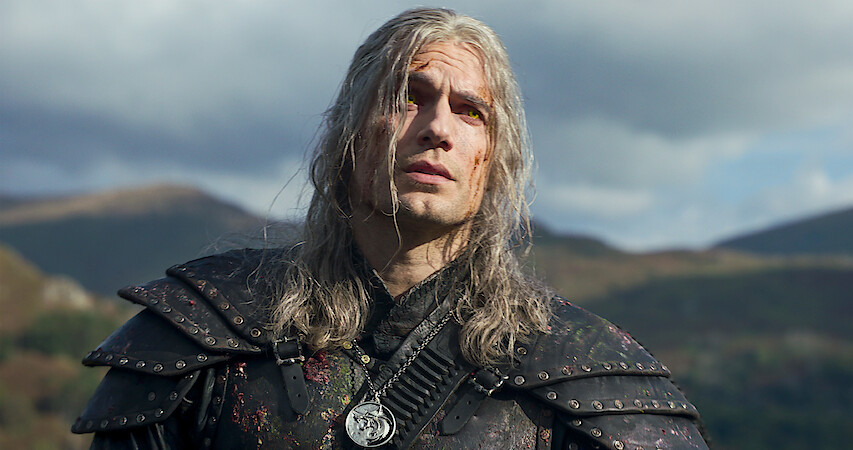
Henry Cavill makes his first appearance as Geralt of Rivia in Season 1 of “The Witcher” on Netflix. The series becomes an instant hit, generating fans, memes, and even a viral song (“Toss a Coin to Your Witcher”). Cavill’s portrayal of the gruff monster hunter quickly becomes iconic.
Season 2 of “The Witcher” debuts with Cavill returning as the monster hunter. While less of a cultural sensation than the first season, it still generates mostly positive reviews as it expands the world and deepens character relationships, particularly between Geralt, Ciri, and Yennefer.
Henry Cavill announces on Instagram that he will be “laying down his medallion and swords” after the upcoming third season. Simultaneously, it’s revealed that Liam Hemsworth will take over the role of Geralt for Season 4, setting off widespread speculation among fans about the reasons for the change.
Season 3 of “The Witcher” debuts, marking Henry Cavill’s final appearance as Geralt of Rivia. The season receives mixed reviews, with some critics noting its convoluted storylines. Fans prepare for the upcoming transition to a new actor in the iconic role as Cavill bids farewell to the character.
Liam Hemsworth debuts as Geralt of Rivia in Season 4 of “The Witcher.” The season serves as a reset for the series, with a sharper and less convoluted storyline compared to previous seasons. The transition is handled through a narrative device featuring the character Nimue telling stories about the legendary witcher.
The casting change from Cavill to Hemsworth represents one of the most significant transitions for a lead character in a major streaming series. Unlike other shows where character exits are written into the plot, “The Witcher” maintained continuity of the character while changing the actor. This approach presents unique challenges for both the production team and viewers.
While fans speculated about creative differences between Cavill and the showrunners regarding the adaptation of source material, executive producer Lauren Hissrich has indicated the decision was based on Cavill’s desire to pursue other projects. Since his departure, Cavill has appeared in films including “Argylle,” “The Ministry of Ungentlemanly Warfare,” and “Deadpool & Wolverine.”
Tale of Two Geralts
Explore how both actors approached the iconic character of Geralt of Rivia and what makes each portrayal distinct.
How “The Witcher” Handled the Casting Change
The Season 4 premiere addressed the transition with a creative narrative device. The episode features older Nimue (Sha Dessi) telling the story of the legendary witcher Geralt of Rivia to a group of children. This framing allows the show to recreate iconic moments from previous seasons with Hemsworth stepping into scenes originally performed by Cavill.
Through these flashbacks, viewers see Hemsworth’s Geralt fight the Kikimore monster from the series’ very first scene, as well as emotional moments like the group hug between Geralt, Ciri, and Yennefer. After this introductory sequence, the story simply moves forward with Hemsworth as Geralt, continuing the adventures on the Continent without further explanation of the physical change.
Henry Cavill as Geralt (Seasons 1-3)
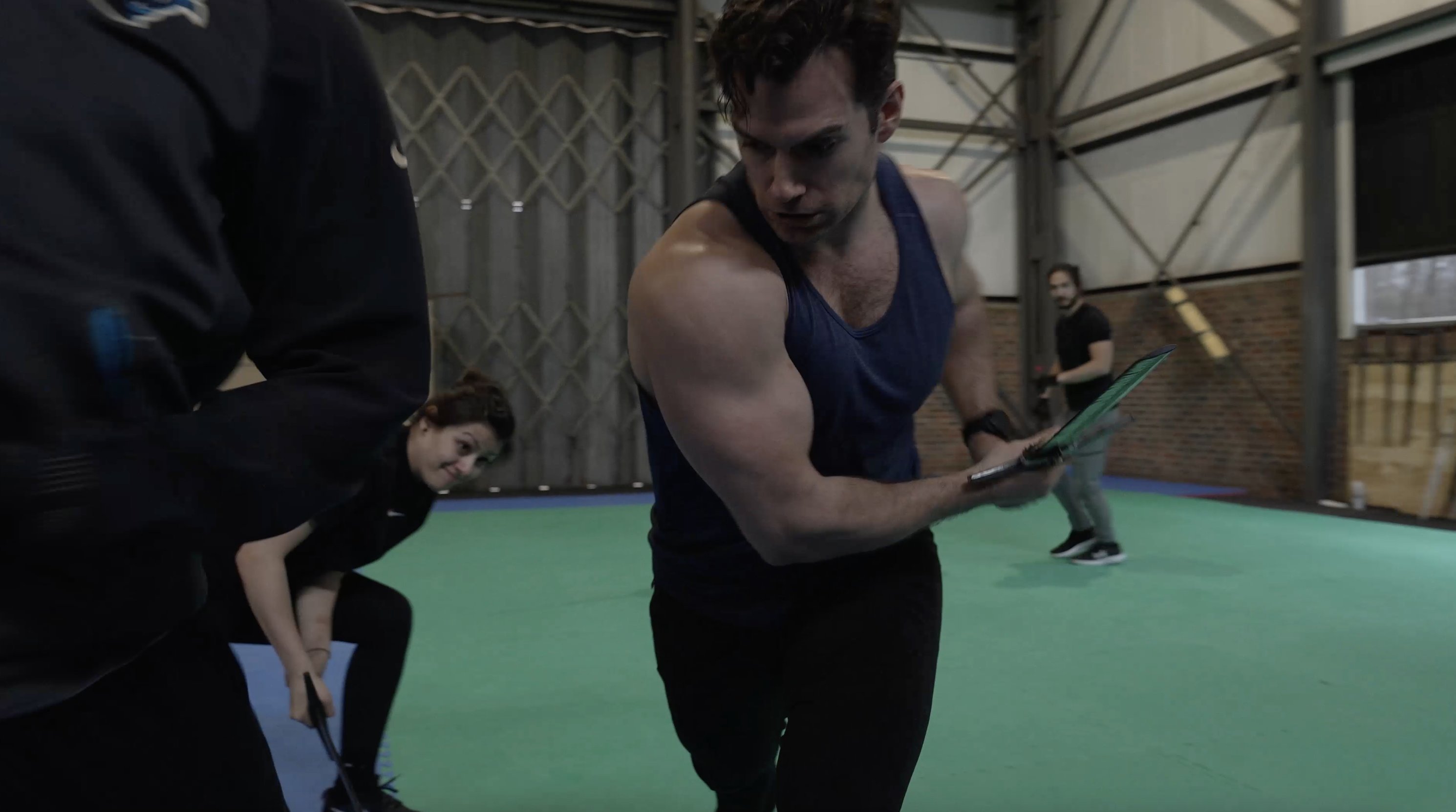
Henry Cavill brought a brooding intensity and physical presence to the role of Geralt that made the character instantly iconic. A self-professed fan of both the “Witcher” books and video games, Cavill was widely praised for his dedication to the role, including performing many of his own stunts and fight choreography.
Cavill’s Geralt was characterized by his gravelly voice, stoic demeanor, and occasional dry humor. His portrayal helped make “The Witcher” one of Netflix’s most successful original series, with the first season becoming a major cultural phenomenon in 2019.
Liam Hemsworth as Geralt (Season 4)
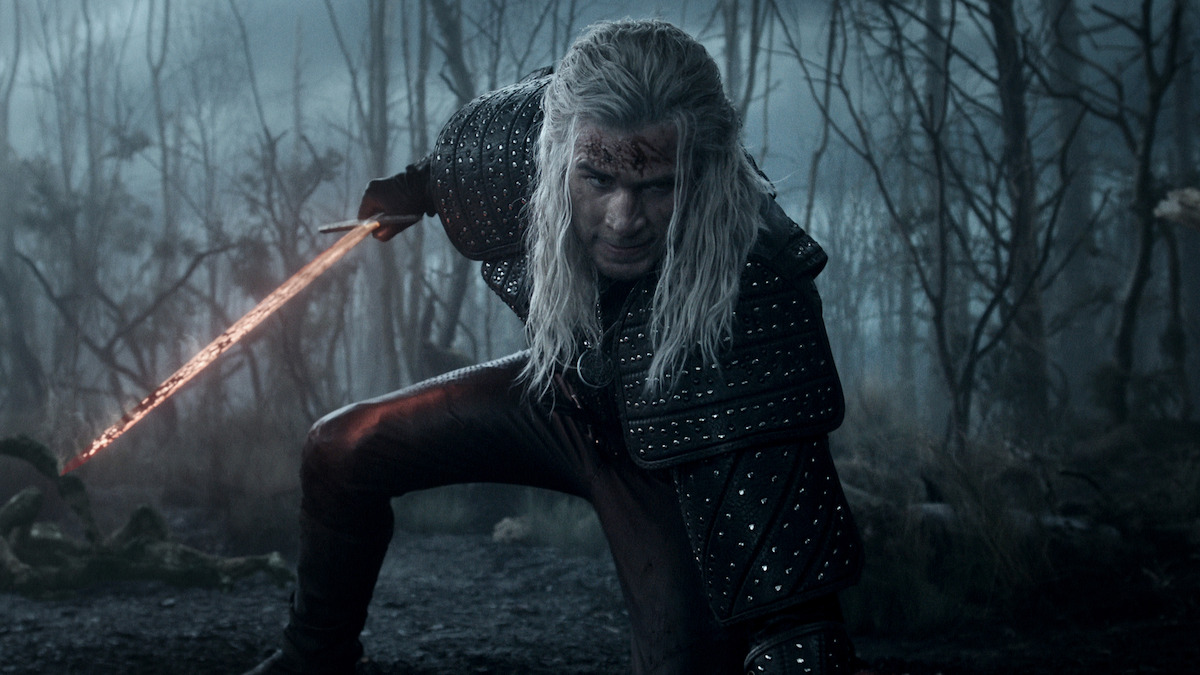
Liam Hemsworth steps into the role of Geralt in Season 4, bringing a different energy to the character. His Geralt is described as “softer and more human” compared to Cavill’s portrayal, which actually aligns with the character’s emotional evolution in the story.
Initially reluctant to take on the role, Hemsworth ultimately decided to join the series because he was a fan of both the video games and books. “I appreciate these fans, and I appreciate the fact that they care so much about it,” Hemsworth told RadioTimes.com. “The reason I came on board was because I was a fan, and because I thought that I could do justice to this character.”
Visual Transformation
Slide to compare the visual differences between Henry Cavill and Liam Hemsworth as Geralt of Rivia. Move the slider to see how each actor brought their unique physical presence to the character.
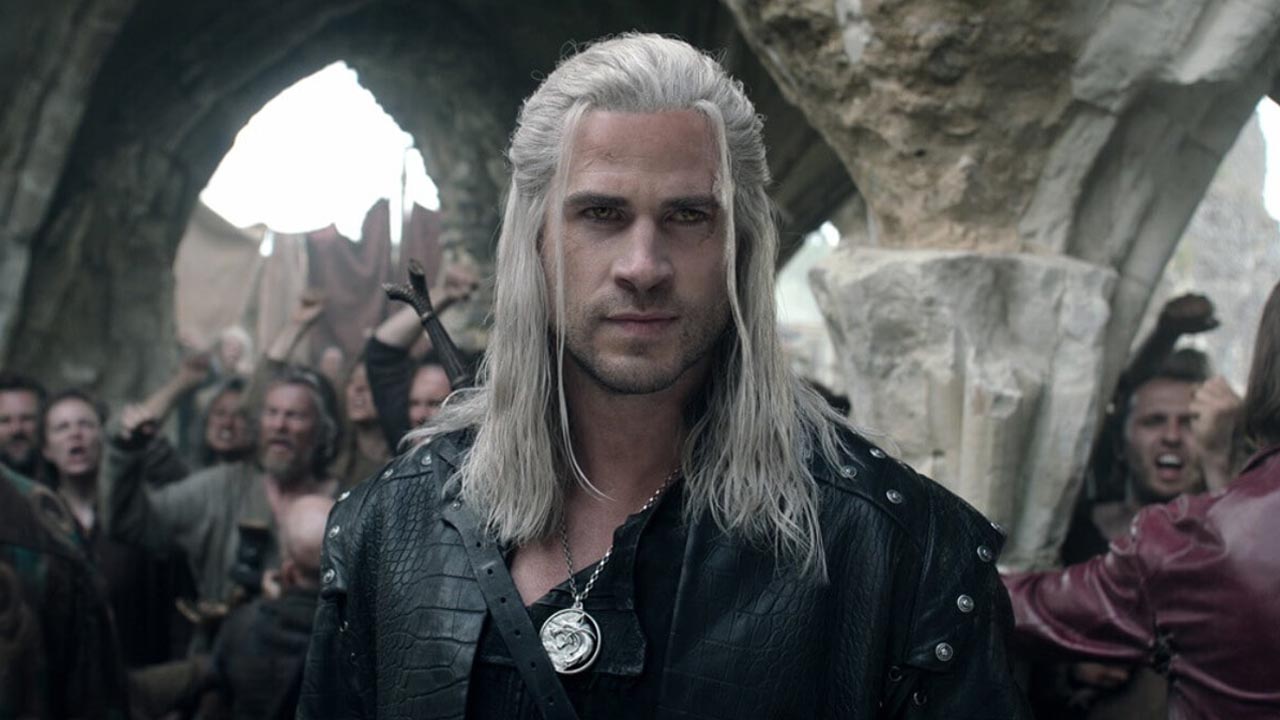
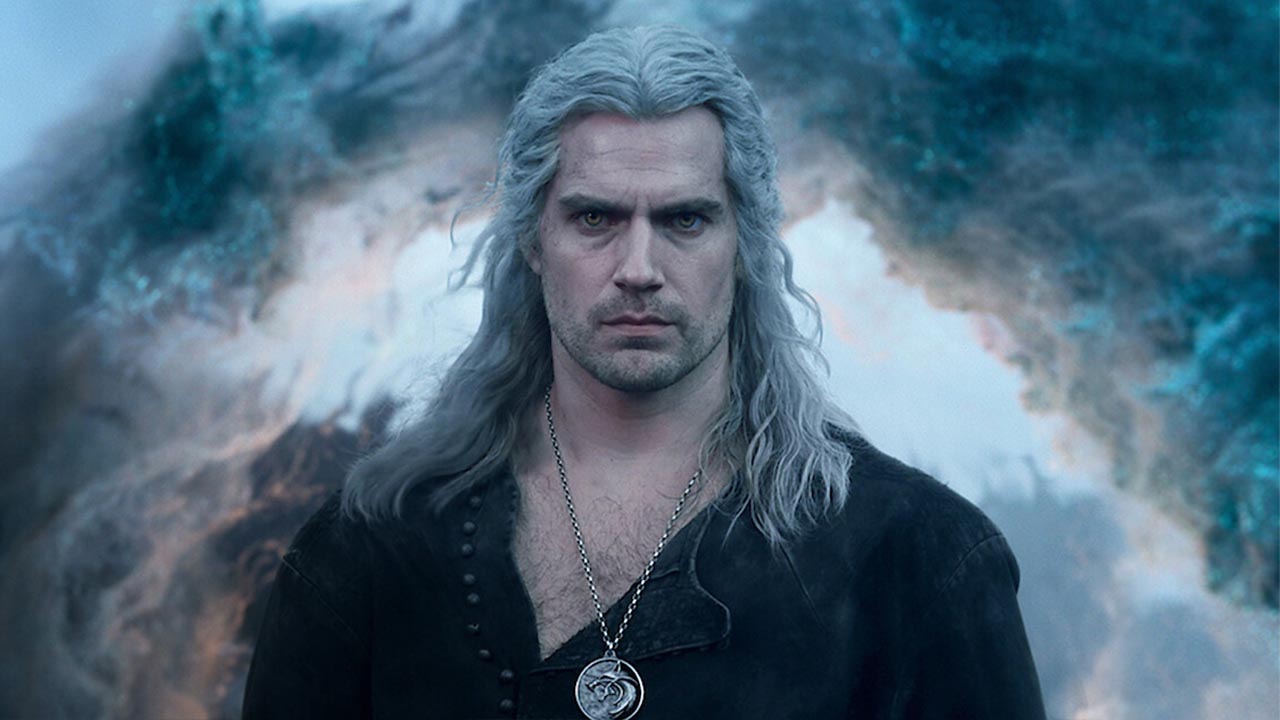
The physical differences between the two actors’ portrayals go beyond just appearance. Cavill, who stands at 6’1″ and is known for his muscular physique, brought a commanding physical presence to Geralt. His interpretation emphasized the character’s superhuman strength and combat prowess, evident in the meticulously choreographed fight sequences.
Hemsworth, at 6’3″, brings a different physicality to the role while maintaining the character’s signature white hair and yellow eyes. His portrayal in Season 4 emphasizes Geralt’s growth and emotional evolution, with reviewers noting that his version of the character feels “softer and more human” – a change that aligns with the narrative arc as Geralt becomes more attuned to his feelings.
The Witcher By The Numbers
Key statistics about “The Witcher” franchise and the transition between actors.
Frequently Asked Questions
Get answers to common questions about the casting change and what it means for the future of the series.
Fan & Critic Reactions
How has the transition from Cavill to Hemsworth been received? Move the slider to share your own opinion!
The transition from Henry Cavill to Liam Hemsworth as Geralt of Rivia marks a significant moment in television recasting. Unlike many shows where character exits are written into the plot, “The Witcher” maintained continuity of the character while changing the actor, presenting unique challenges for both the production team and viewers.
While Cavill’s interpretation established the foundation for the character on screen, Hemsworth’s portrayal allows for Geralt’s continued emotional growth as the series moves toward its planned conclusion. The creative decision to handle the transition through a storytelling framework – with Nimue narrating tales of the legendary witcher – acknowledges the change while allowing the narrative to move forward.
As “The Witcher” approaches its fifth and final season, the series continues to evolve, with Season 4’s improved narrative focus suggesting a renewed commitment to delivering a satisfying conclusion to this fantasy epic. The casting change, though initially jarring for some fans, ultimately serves as just one aspect of the show’s ongoing development.