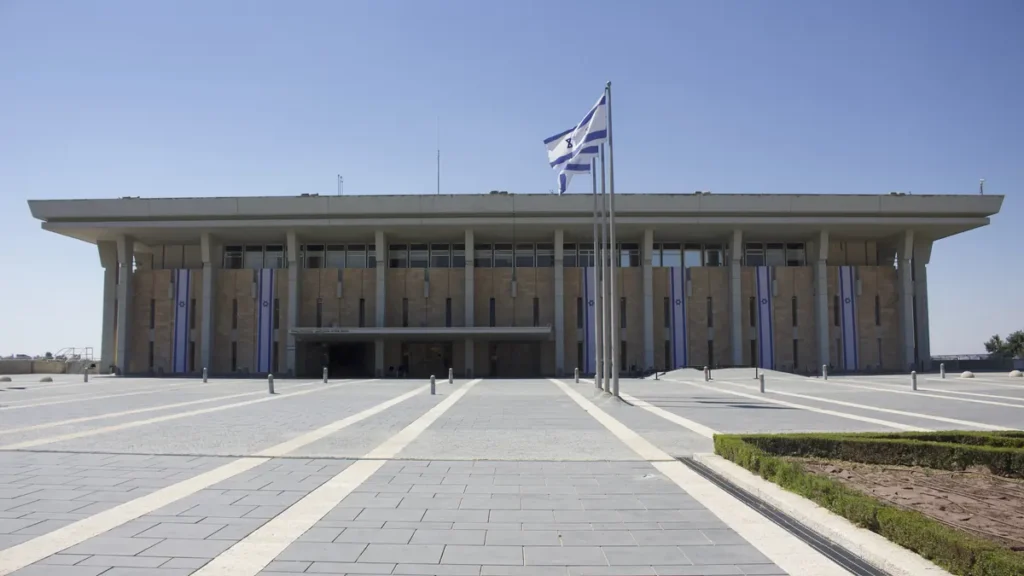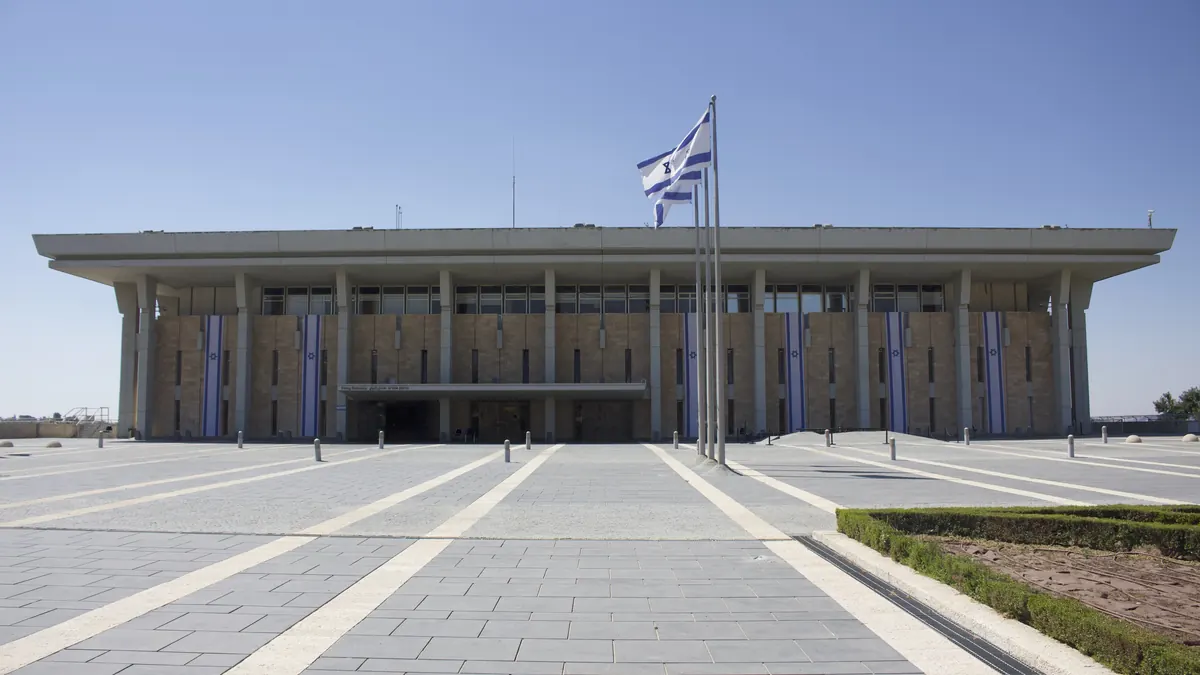
Multiple international outlets reported on October 30 that Israel’s final election results confirmed a parliamentary deadlock: neither Prime Minister Benjamin Netanyahu’s right-wing bloc nor former military chief Gadi Eisenkot’s centrist opposition secured the 61 seats needed for a majority in the 120-seat Knesset. The result extends a cycle of political instability that has produced six national elections since April 2019, with immediate implications for Israel’s currency, defense procurement, and regulatory timeline.
For Israeli business owners and international investors, the practical question is not which leader forms the next government, but how long the current caretaker administration will freeze legislative and budgetary decisions. The answer will shape shekel volatility, permit timelines, and defense-contract pipelines through at least the first quarter of 2027.
Final Results Show Approximate 59-58 Split With No Path to 61
According to reports from NBC News, BBC, Al Jazeera, and the Times of Israel on October 30, the final seat count gave Netanyahu’s Likud-led bloc approximately 59 seats and Eisenkot’s National Unity bloc approximately 58 seats. Arab-led parties hold the remaining 16 seats, primarily through the Hadash-Ta’al and Ra’am lists. The Central Elections Committee is expected to certify the final tally by November 4, but the proportional outcome is not expected to change.
The 77.7 percent turnout reported by Israeli election authorities is the highest in over two decades. Analysts noted the turnout paradox: a historically engaged electorate produced a result that makes stable government mathematically improbable under current coalition constraints.
The Coalition Math That Blocks Both Sides
Netanyahu’s path to a majority requires either the Arab parties or a defection from Eisenkot’s camp. Both are politically foreclosed. Netanyahu’s religious and far-right partners rule out Arab participation; Eisenkot has repeatedly rejected serving under Netanyahu, citing the prime minister’s ongoing corruption trial and governance style. Neither bloc can reach 61 without the other or the Arab lists, and neither will cross those lines under current conditions.
In previous deadlocks (2019–2021), smaller right-wing or centrist parties acted as kingmakers. The current alignment has crystallized: the religious parties (Shas and United Torah Judaism) are bound to Netanyahu; the centrist and left-wing parties are bound to Eisenkot; the Arab parties are structurally excluded from either coalition. No parliamentary arithmetic yields a majority without breaking one of these constraints. For the historical pattern behind this impasse, see our analysis of Israeli political deadlock since 2019.
Caretaker Government Rules Freeze Major Decisions
Under Israeli law, when no coalition forms within the statutory window, the incumbent prime minister remains in office as caretaker. A caretaker government can administer existing laws and budgets, conduct routine diplomacy, and respond to security emergencies. It cannot pass new legislation, approve new budgets, issue major regulatory changes, or authorize large-scale procurement contracts.
For businesses, this means permit applications for construction, telecommunications licensing, and tax rulings will stall. Infrastructure projects requiring new budget allocations pause. Technology-sector regulatory frameworks—cybersecurity standards, data-protection rules, fintech licensing—cannot advance. The freeze persists until a new coalition is sworn in or a new election is held. For a detailed breakdown of caretaker constraints, see Knesset official resources on government formation.
The Arab Kingmaker Seats Remain Politically Unusable
The 16 seats held by Arab-led parties represent a mathematical solution to the deadlock. Either bloc plus the Arab lists would command 75 seats—a comfortable majority. But the political culture of the past decade has made Arab participation in a Zionist-led coalition taboo for both major blocs. Breaking that norm would risk fracturing the coalition’s own base. As a result, the seats that could end the paralysis remain politically off-limits, and the structural impasse holds.
Timeline: November 24, December 15, January 27, March 2027
Israeli law sets a 28-day window for coalition formation from the date the president assigns the mandate. That deadline is November 24, 2026. If no coalition forms, the president may grant a 14-day extension, moving the effective deadline to December 15. If talks still fail, the Knesset can vote to dissolve itself and call a new election, which would occur within 90 days—likely in March 2027. The final statutory deadline for government formation is January 27, 2027.
What is the deadline for forming a government? The formal 28-day deadline is November 24, 2026. If talks fail, a 14-day extension runs to December 15. If no government is formed by January 27, 2027, a new election is legally required. A functioning government must be sworn in before that date, or the Knesset dissolves automatically.
Each deadline is a market event. Currency traders, bond investors, and defense contractors track these dates for volatility triggers. For market implications, see our coverage of TA-35 vs. political risk and Israeli election market impact.
Market Impact: Shekel, Bonds, Defense, Tech
Financial markets began repricing risk immediately after the exit polls. The shekel reportedly depreciated approximately 1.2 percent against the U.S. dollar in early trading following the results. Long-term government bond yields rose, reflecting concern that extended caretaker rule will delay budget discipline and debt management. Defense manufacturers face procurement freezes; major weapons systems and infrastructure projects require full cabinet sign-off, which a caretaker cabinet will not provide. Technology regulatory approvals—cybersecurity standards, encryption rules, fintech frameworks—similarly stall.
Historical precedent suggests the shekel could weaken 3–4 percent if a fourth election is confirmed, based on the depreciation pattern observed in the 2019–2021 cycle. Businesses with shekel exposure or Israeli regulatory dependencies should plan for continued uncertainty through at least January 2027. For currency context, see Bank of Israel foreign exchange data.
Checkpoint Calendar: What to Watch and When
November 24, 2026: First coalition deadline. Expect market reaction if no agreement is announced.
December 15, 2026: Extended deadline after 14-day negotiation window. If talks remain stalled, momentum builds for a new election.
January 27, 2027: Final statutory deadline. If no government is sworn in, the Knesset dissolves and a new election campaign begins.
March 2027: Projected election date if a fourth election is triggered.
For the campaign narrative that led to this moment, see our October 27 coverage of Israel Election 2026: Record Turnout Tests Netanyahu Against Eisenkot. For historical context on why Israeli deadlock has become chronic, see our analysis of Israeli Political Deadlock Since 2019: The Cycle That Never Broke.
The deadlock is confirmed. The math is frozen. The timeline is set. Now comes the waiting.